What Permits or Electrical Upgrades Might a Home EV Charger Require?
Key Takeaways
- A home EV charger installation may require an electrical permit and inspection, depending on the work involved and local requirements.
- A dedicated circuit is generally needed for a Level 2 EV charger.
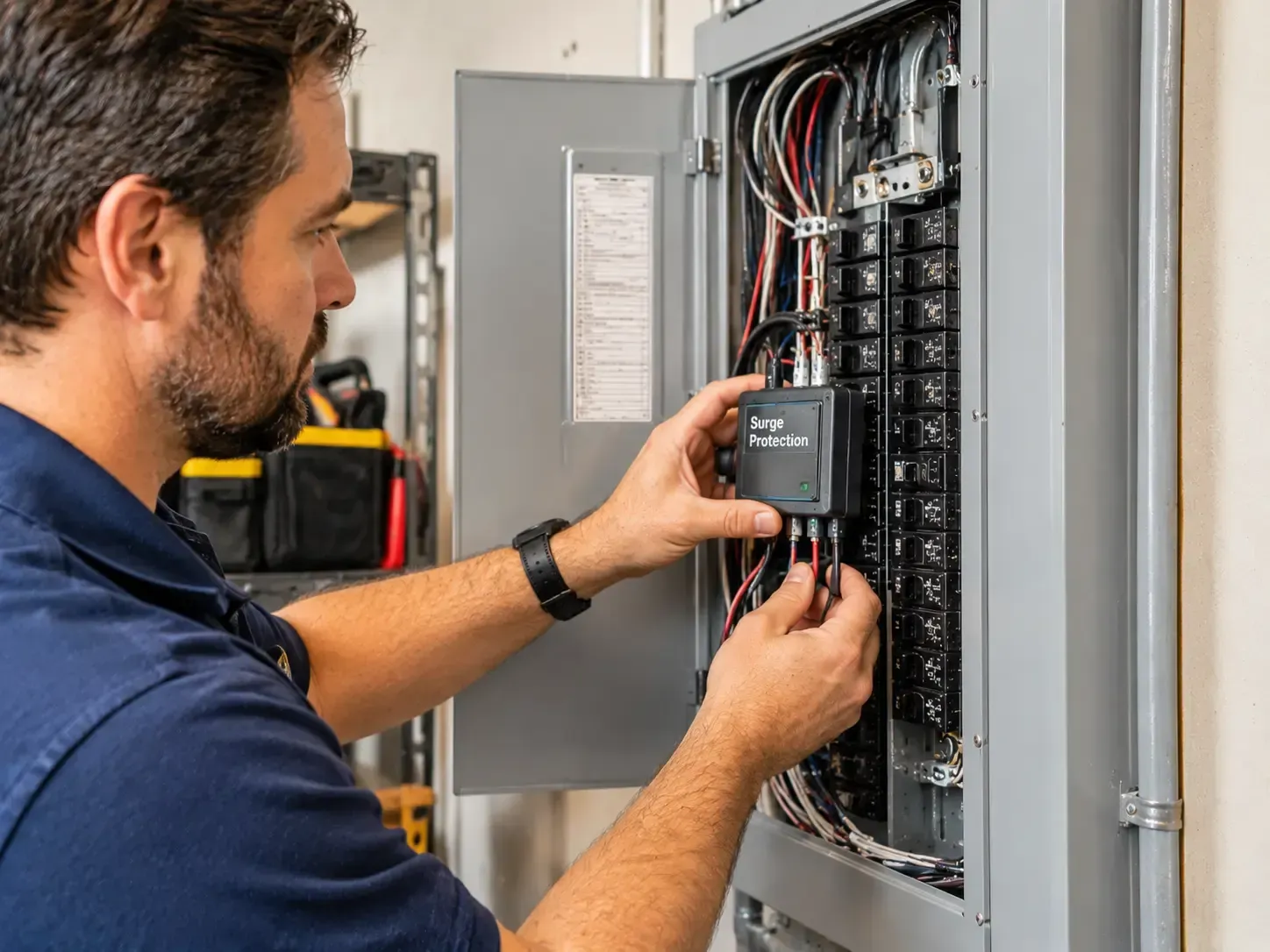
- Older electrical panels may need an upgrade to support additional charging demand.
- An electrician should evaluate the home's electrical capacity before installation.
- Detached garages and driveway charging locations may require underground electrical wiring.
- Proper planning helps homeowners avoid overloaded circuits, unsafe connections, and unexpected installation expenses.
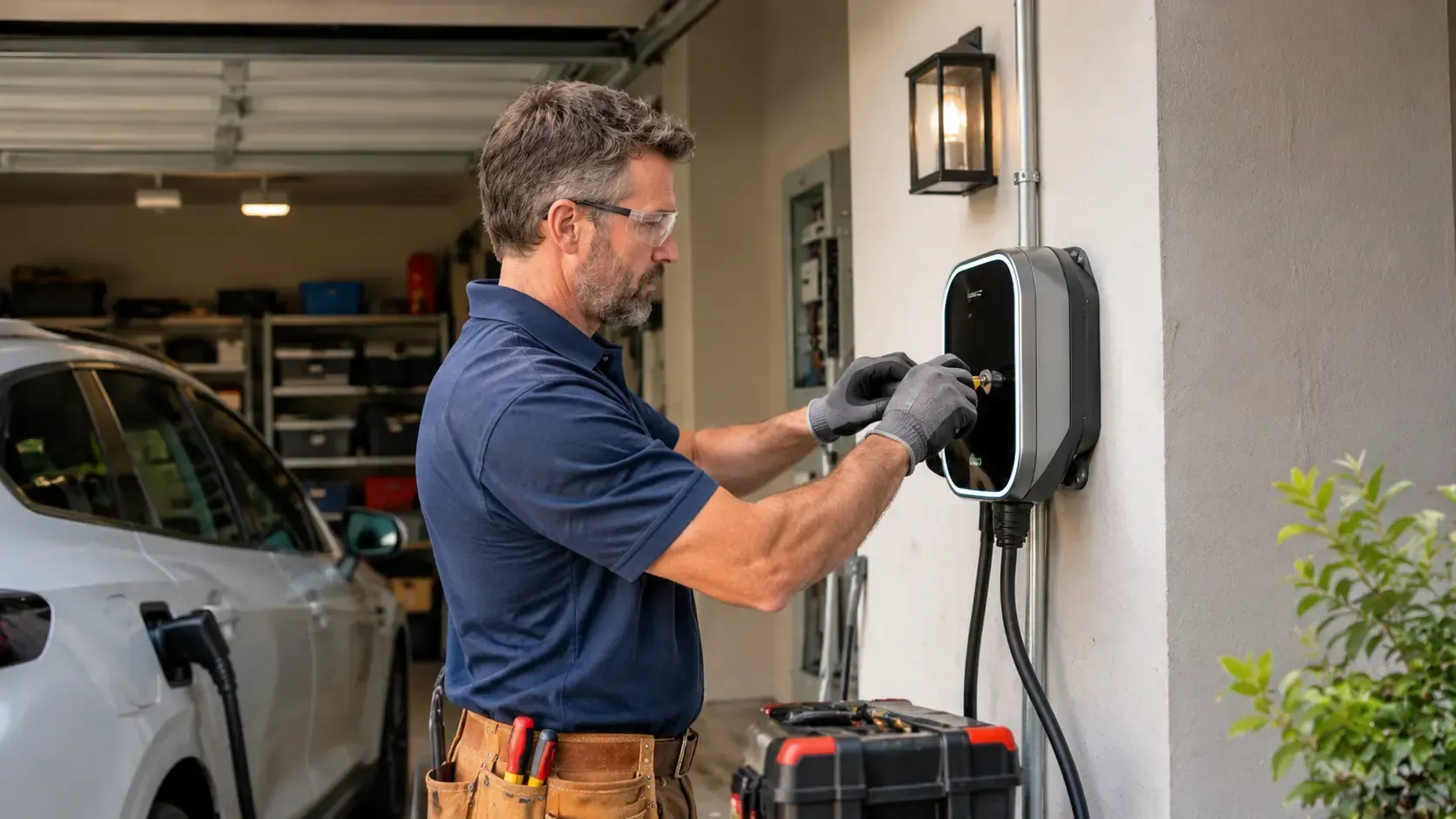
Installing an electric vehicle (EV) charger at home can make everyday driving more convenient. Instead of depending on public charging stations, Burleson homeowners can charge their vehicles overnight and start the day with a ready battery. However, adding a home EV charger involves more than choosing a charging station and mounting it on a garage wall.
Before installation begins, homeowners should understand whether their project requires an electrical permit, an inspection, a dedicated circuit, or an upgrade to the existing electrical panel. The location of the charger can also affect the work involved. For example, installing a charger in a detached garage or near a driveway may require underground electrical wiring.
Every home has different electrical demands, so the requirements can vary from one property to another. Understanding these details early can help prevent unexpected costs, installation delays, and electrical safety problems.
For homeowners planning an EV charger installation in Burleson, Texas, here is what to know about permits, electrical upgrades, and underground electrical work.
1. Does Installing a Home EV Charger Require an Electrical Permit?
One of the first questions homeowners ask is whether they need a permit to install an EV charger.
In many situations, adding a Level 2 charging station involves new electrical wiring, a dedicated circuit, a breaker, or changes to the existing electrical panel. This type of electrical work may require a permit and inspection to confirm that the installation meets applicable safety requirements.
The City of Burleson's permit guidance explains that permits are generally required for work involving electrical systems, including certain repairs, replacements, renovations, and improvements.
However, the exact requirements depend on the scope of the project. A straightforward installation may have different requirements from a project involving a service upgrade, new wiring, or extensive electrical modifications.
Before scheduling installation, homeowners should confirm:
- Which electrical permit applies to the project.
- Whether the electrician must submit an application.
- Whether an inspection is required after installation.
- Whether additional approvals are needed for major electrical service changes.
Working with a qualified electrician helps homeowners understand these requirements before construction begins.
2. Why Does a Home EV Charger Need a Dedicated Electrical Circuit?
A Level 2 EV charger typically uses a 240 volt electrical supply and draws more power than many ordinary household appliances. Because charging can continue for several hours, the electrical circuit must be properly designed for the equipment's continuous load.
A dedicated circuit allows the charger to operate without sharing its electrical supply with unrelated household equipment.
For example, connecting an EV charger to an existing circuit that also powers a dryer, workshop equipment, or other high demand appliances could create an overloaded circuit if the system is not properly designed.
A dedicated circuit helps provide:
- A separate electrical supply for the charger.
- Appropriate breaker protection.
- Wiring sized for the charger's electrical requirements.
- More dependable charging performance.
- Reduced risk of overloading an existing circuit.
The electrician will review the charger's specifications and determine the correct circuit requirements before installation.
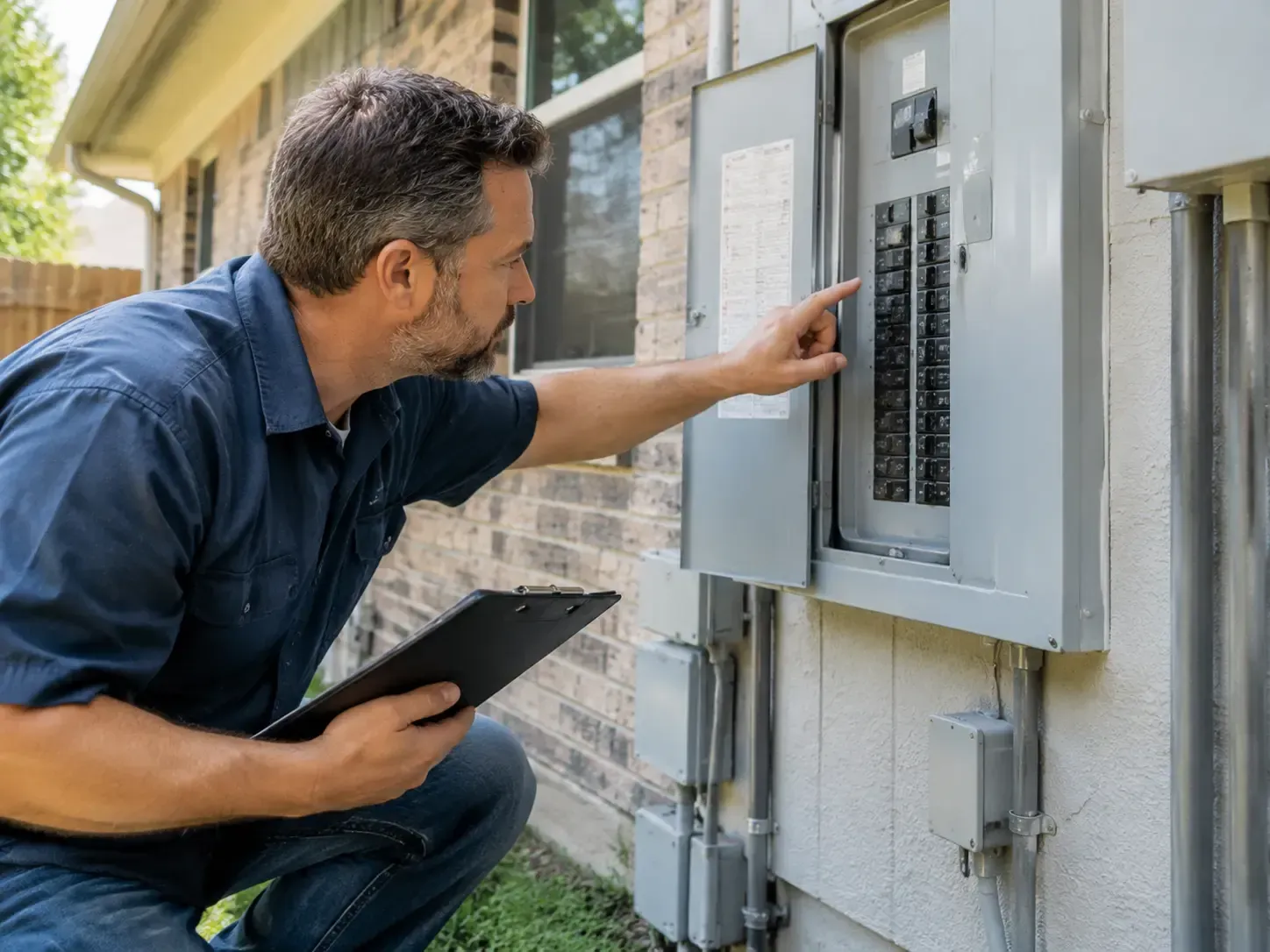
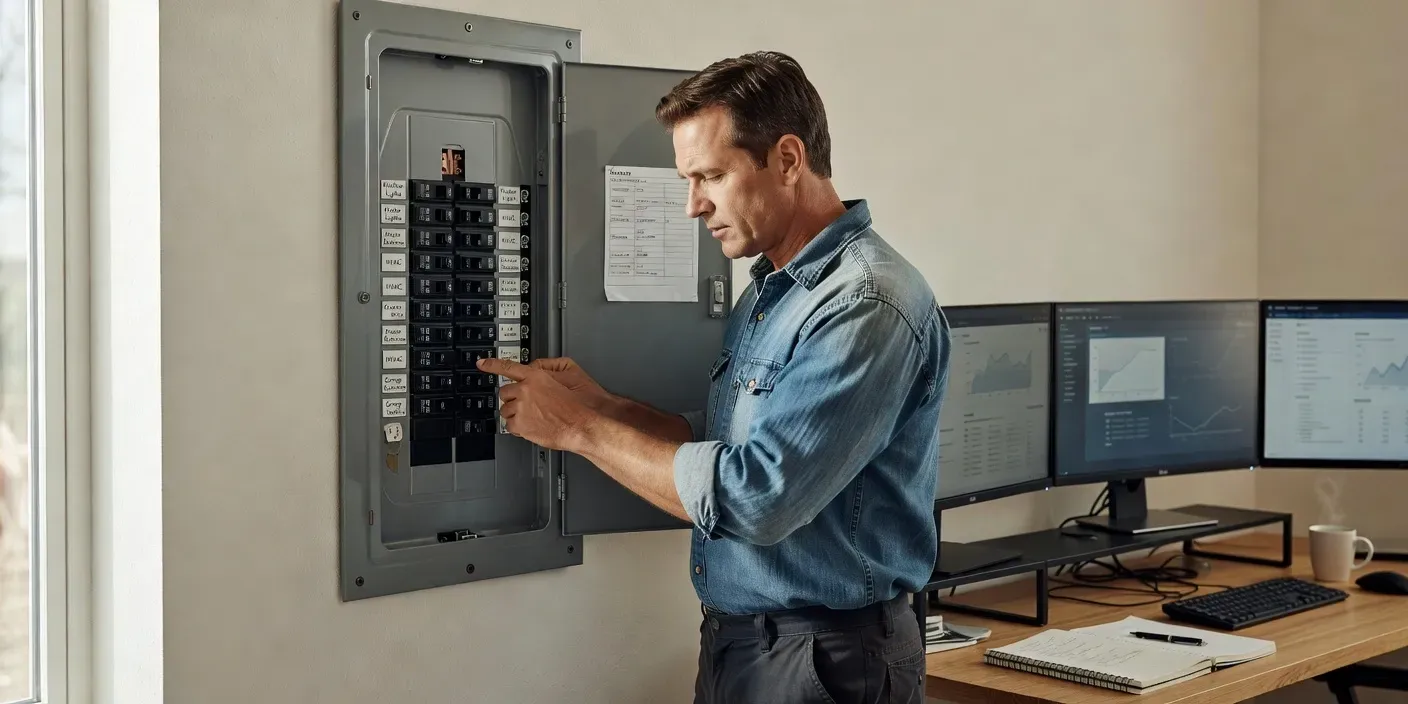
3. When Might Your Electrical Panel Need an Upgrade?
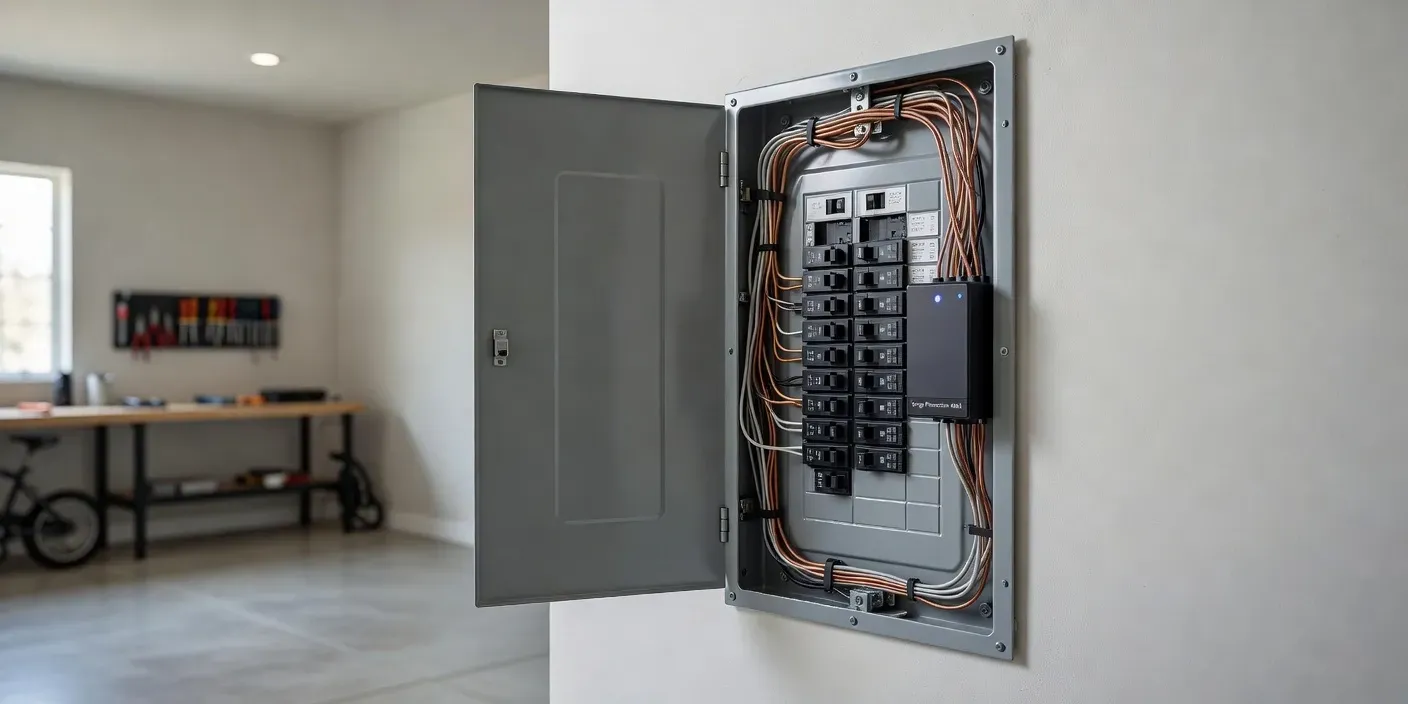
Not every Burleson home needs a new electrical panel before installing an EV charger. However, the existing panel must have enough capacity to handle the additional electrical demand.
Older homes may have electrical panels that were designed before electric vehicle charging became a common household requirement. These systems may already support central air conditioning, electric cooking equipment, water heaters, dryers, and other major appliances.
Adding an EV charger without evaluating the available capacity can put unnecessary strain on the electrical system.
Signs Your Home May Need an Electrical Panel Upgrade
Consider having your panel evaluated if you notice:
- Breakers frequently tripping when multiple appliances operate.
- Limited available breaker spaces.
- An older electrical panel with outdated components.
- Lights dimming when major appliances start.
- Existing electrical equipment operating close to its capacity.
These signs do not automatically mean a panel replacement is necessary. A professional electrical evaluation can determine whether the existing system can support the charger or whether modifications are needed.
Electrical Panel Upgrade Options
| Electrical Situation | Possible Solution | Why It Matters |
|---|---|---|
| Available panel capacity | Install a dedicated circuit | Supports the charger safely |
| Limited breaker spaces | Evaluate panel configuration | Determines whether additional space can be provided |
| Insufficient electrical capacity | Panel or service upgrade | Provides additional capacity |
| Multiple high demand appliances | Electrical load evaluation | Helps prevent overload conditions |
| Older or damaged panel | Repair or replacement | Improves electrical safety and reliability |
A load calculation is particularly helpful because it considers the home's existing electrical demand instead of relying only on the number of open breaker spaces.
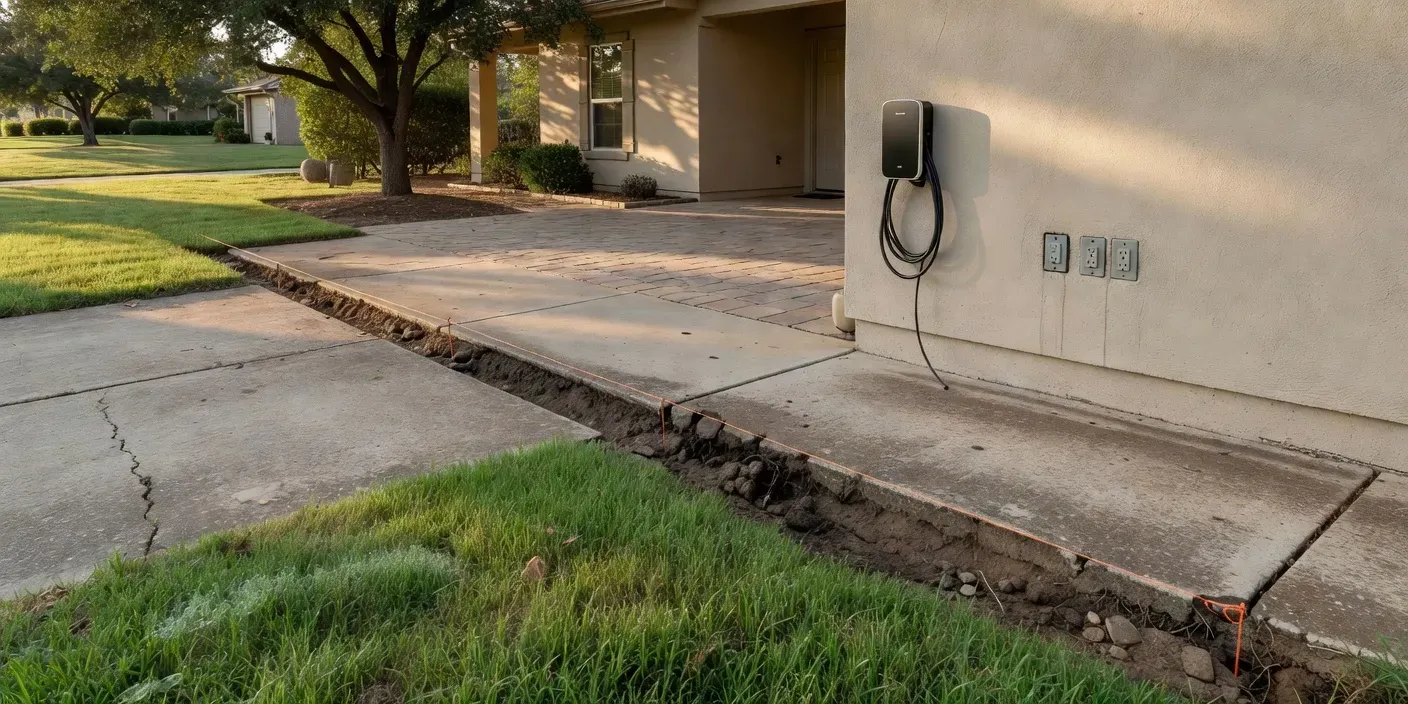
4. Could Your EV Charger Installation Require Underground Electric Work?
The location of your charging station can affect the installation process.
Many homeowners prefer placing an EV charger inside an attached garage. This can make wiring relatively straightforward when the electrical panel is nearby.
However, some properties have detached garages, outdoor parking areas, workshops, or driveways where homeowners want to charge their vehicles.
When the charger is located away from the main electrical panel, underground electrical work may be necessary.
When Is Underground Electrical Wiring Needed?
Underground Electric installations may be considered when:
- A detached garage needs a new electrical supply.
- A charging station will be installed near a driveway.
- The electrical panel is located far from the preferred charger location.
- An outdoor parking area needs a dedicated charging connection.
- A homeowner wants to avoid exposed wiring across the property.
Depending on the property layout, the installation may involve trenching, conduit placement, underground wiring, and connections to the appropriate electrical equipment.
What Does Underground Installation Involve?
A typical underground electrical project may include several steps.
1. Planning the route
The electrician identifies a practical path between the electrical supply and the charger location. The route should account for existing utilities, landscaping, driveways, and other property features.
2. Checking underground utilities
Before excavation, underground utility lines must be identified. Texas homeowners and contractors can use 811 to request utility locating services before digging.
3. Preparing the trench
The required trench route and depth depend on the installation conditions and applicable electrical requirements.
4. Installing conduit and wiring
Suitable conduit and conductors are installed to protect the electrical wiring from environmental exposure and physical damage.
5. Completing connections and inspections
The electrician completes the electrical connections, verifies the installation, and coordinates any required inspection.
Proper underground electrical planning helps protect wiring and creates a more organized charging setup.
5. What Other Electrical Upgrades Might Be Necessary?
An EV charger installation does not always require a major electrical renovation. Some homes only need a new circuit and the appropriate charging equipment.
However, certain electrical conditions may require additional work.
Dedicated Breaker and Wiring
The charger needs properly sized wiring and a compatible circuit breaker. The equipment specifications and electrical load determine the correct components.
Electrical Service Upgrade
Some homes may not have enough available service capacity for an additional high demand appliance. In these cases, an electrical service upgrade may be considered.
This work can involve coordination with the utility provider and additional permitting or inspections.
Ground Fault Protection
Ground fault protection is an important part of EV charging safety. The required protection depends on the charger type, connection method, and applicable electrical code.
Homeowners should not assume that every charging station uses the same protection arrangement.
Outdoor Electrical Protection
If the charger is installed outside, the equipment and electrical connections must be suitable for the location and exposure conditions.
Weather protection, proper mounting, and appropriate wiring methods help maintain safe operation.
6. Level 1 vs. Level 2 EV Charging: What Changes Electrically?
Not every electric vehicle owner needs the same charging setup. Understanding the difference between Level 1 and Level 2 charging can help homeowners choose the right equipment.
Level 1 charging can work for homeowners who drive shorter distances and have enough time to recharge.
Level 2 charging is often more practical for people who use their vehicles regularly and want faster overnight charging.
The right choice depends on driving habits, vehicle requirements, available electrical capacity, and installation costs.
7. What Should Burleson Homeowners Do Before Installing an EV Charger?
Planning ahead can make the installation process easier and help avoid unnecessary electrical work.
Here are some steps homeowners can take before choosing a charging station.
Step 1: Check your vehicle's charging requirements
Review the manufacturer's recommendations to understand the charging equipment, voltage, and charging capacity supported by your vehicle.
Step 2: Choose a practical charging location
Consider whether you want the charger inside an attached garage, in a detached garage, or near an outdoor parking space.
Think about cable reach, vehicle positioning, and access to the charging connector.
Step 3: Have your electrical panel evaluated
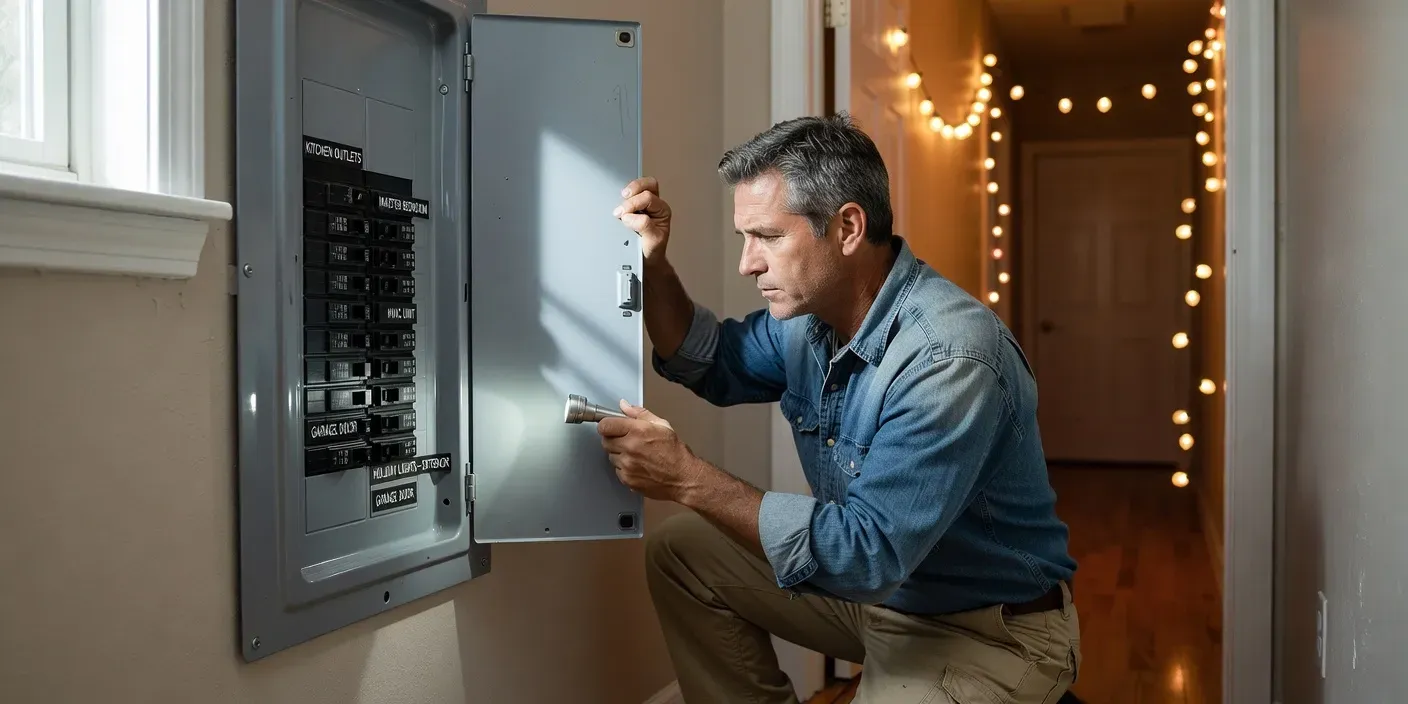
An electrician can review your existing panel, available capacity, wiring condition, and other major electrical loads.
Step 4: Confirm permit and inspection requirements
Contact the City of Burleson or have your electrician confirm the applicable permit and inspection process before work begins.
Step 5: Discuss possible upgrades
Ask whether your property needs a dedicated circuit, panel upgrade, service modification, or underground electrical installation.
Step 6: Schedule professional installation
Once the requirements are understood, a licensed electrical contractor can complete the work according to applicable electrical codes and local requirements.
8. Why Professional EV Charger Installation Matters
Installing a home EV charger involves electrical work that should be properly planned and completed. An incorrectly sized circuit, unsuitable wiring, or overloaded electrical panel can create problems that affect both the charger and the home's electrical system.
Professional installation helps ensure that the charging equipment matches the home's electrical capacity.
For Burleson homeowners, Burleson A.T. Electric provides EV charger installation services that include electrical evaluations, dedicated circuit installation, and panel upgrades when needed.
The team can also help homeowners understand whether their preferred charging location may require additional wiring or underground electrical work.
With more than 25 years of hands-on experience, Burleson A.T. Electric focuses on safe, dependable electrical solutions for local homes.
Learn more about our EV Charger Installation services in Burleson to discuss your home charging requirements.
Conclusion: Prepare Your Home for Safe and Convenient EV Charging
Installing an EV charger can make owning an electric vehicle more convenient, but the electrical requirements should be evaluated before installation begins.
Depending on the home's electrical capacity and charger location, the project may require a dedicated circuit, panel upgrade, electrical permit, inspection, or underground wiring.
Planning these details early helps homeowners understand the work involved and avoid unexpected installation issues.
If you are considering a home EV charger in Burleson, TX, Burleson A.T. Electric can help evaluate your electrical system and determine what installation work may be needed.
Visit our homepage to learn more about our electrical services, or contact our team to discuss your project.
Call Burleson A.T. Electric at (682) 343-8629 to schedule your electrical consultation.
Frequently Asked Questions
Do I need a permit to install an EV charger in Burleson, Texas?
An EV charger installation may require an electrical permit, particularly when new circuits, wiring, or electrical system modifications are involved. Requirements depend on the project. Homeowners should confirm the applicable permit and inspection requirements with the City of Burleson before work begins.
Will I need to upgrade my electrical panel for a Level 2 EV charger?
Not necessarily. Some homes have enough available electrical capacity to support a Level 2 charger. Others may need a panel upgrade or service modification. An electrician can perform a load evaluation to determine what your home requires.
Does installing an EV charger in a detached garage require underground electrical wiring?
Underground wiring may be needed when the detached garage is supplied from the main home and the electrical route runs underground. The installation depends on the property layout, existing electrical supply, and applicable code requirements.
Preferred Source on Google Search
Add www.burlesonatelectric.com to customize your search feed across Top Stories.