
Should Surge Protection Be Added During an Electrical Panel Upgrade?
Yes—adding protection when you replace the panel is often the smartest timing for Burleson, Texas homeowners. A service upgrade opens the gear, grounding, and breaker layout needed for a clean install. Burleson A.T. Electric helps owners pair the panel work with Whole Home Surge Protection so electronics and HVAC see fewer voltage spikes from storms and utility switching.
Key takeaways
- Panel upgrades create the ideal window for a Type 1 or Type 2 SPD at the service.
- Whole-home devices shield branch circuits better than strip-only protection.
- Bonding, neutral, and breaker space must match the suppressor’s listing.
- Local load growth and lightning exposure make coordinated protection practical in Burleson.
Is a panel upgrade the right time for whole-home surge gear?
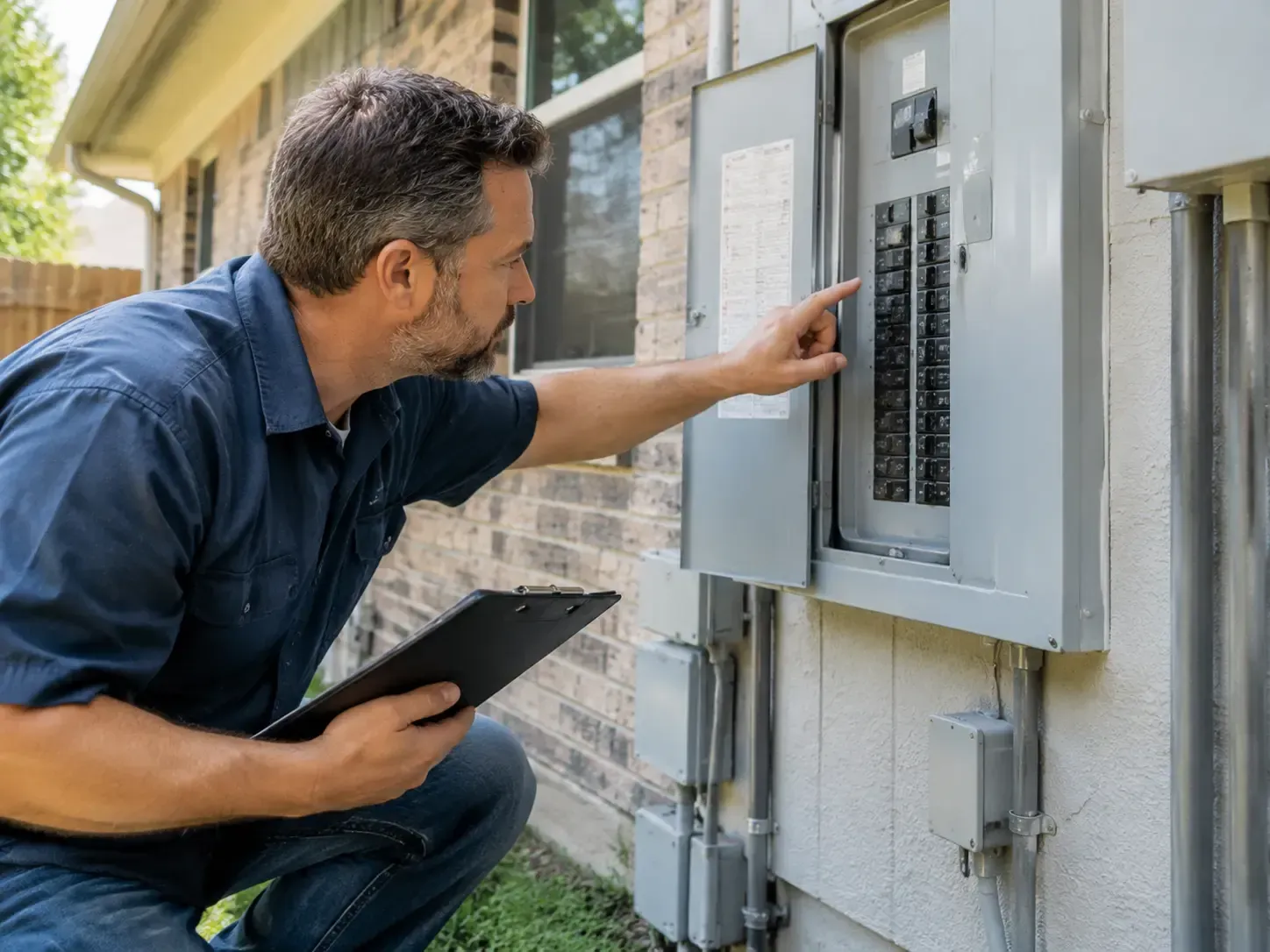
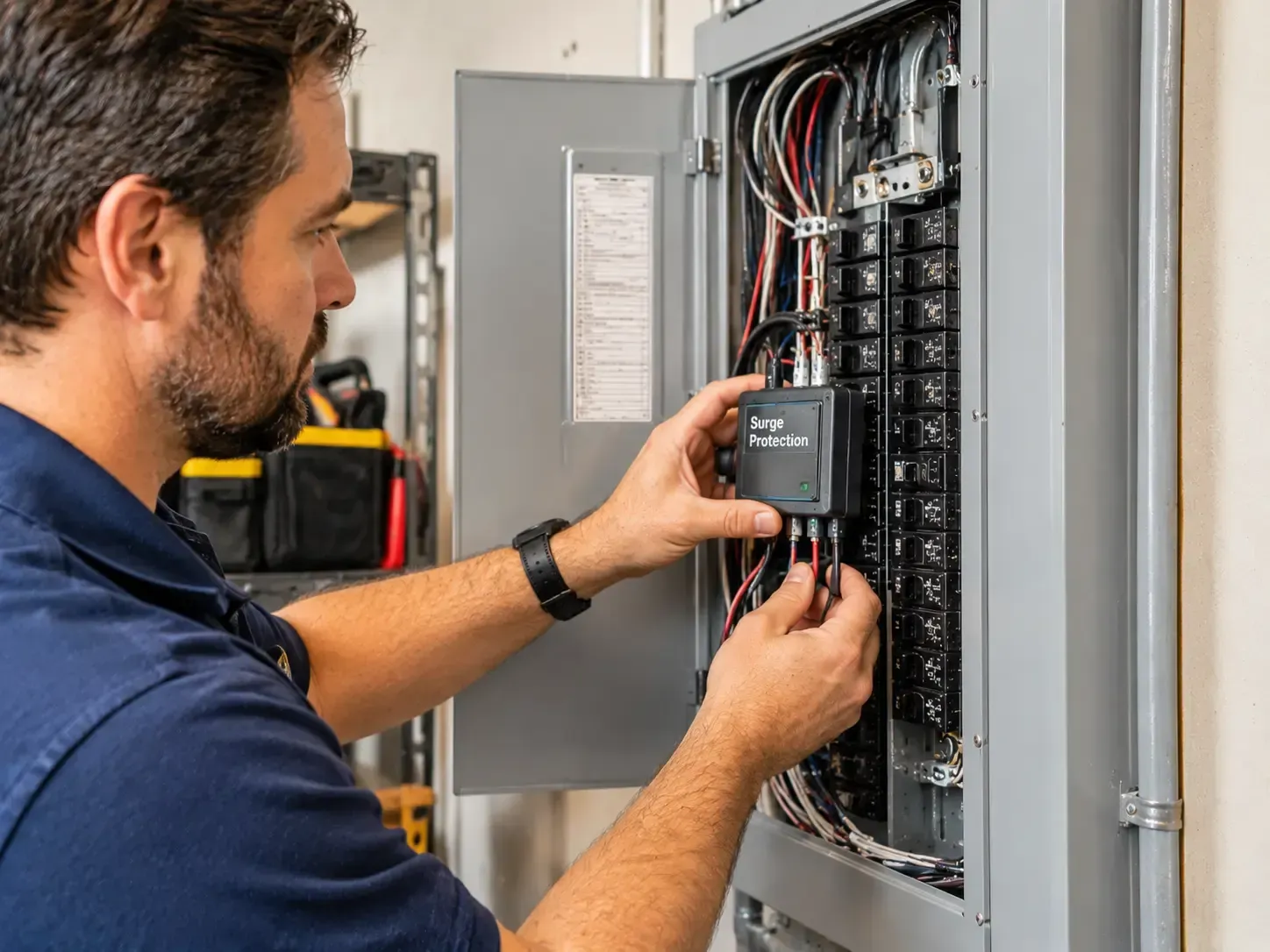
Yes for most homes: the cover is off, conductors are accessible, and a dedicated breaker or bus tap can be placed to manufacturer specs without a second disconnect visit, which lowers labor and ensures the suppressor shares proper grounding with the new equipment grounding conductor and electrode system your upgraded panel requires. Confirm amperage, AIC rating, and lead length so clamping stays effective. For sizing and scheduling on your service, contact the team before the change-out.
Whole-home SPD or plug-in strips: which fits a Burleson panel upgrade?
For Burleson, Texas homeowners upgrading the service, a hardwired Type 1 or Type 2 whole-home device at the new panel usually beats relying on outlet strips alone, because it clamps surges before they fan out across branch circuits while strips only guard a few loads and leave HVAC, well pumps, and hardwired gear exposed.
| Option | Best for | Watch-out | Typical install window |
|---|---|---|---|
| Type 1 / Type 2 whole-home SPD | Full-service protection during panel change-out | Needs correct breaker, short leads, solid bond | Same day as upgrade |
| Point-of-use strips | TVs, PCs, small appliances | No coverage for fixed equipment | Anytime, no panel work |
| SPD + selective strips | Layered defense on sensitive electronics | Avoid cascading cheap strips | Panel day plus room setups |
| No added SPD | Rare low-risk, fully budget-constrained cases | Utility and storm spikes still reach the bus | N/A |
Which Whole-Home Device Should You Choose With a New Panel?
For most Burleson, Texas panel upgrades, a listed Type 1 or Type 2 whole-home surge protector hardwired at the service equipment is the better primary choice than outlet strips alone, because it clamps utility and lightning-related spikes at the bus before they travel branch circuits that feed HVAC, pumps, and fixed loads strips never cover.
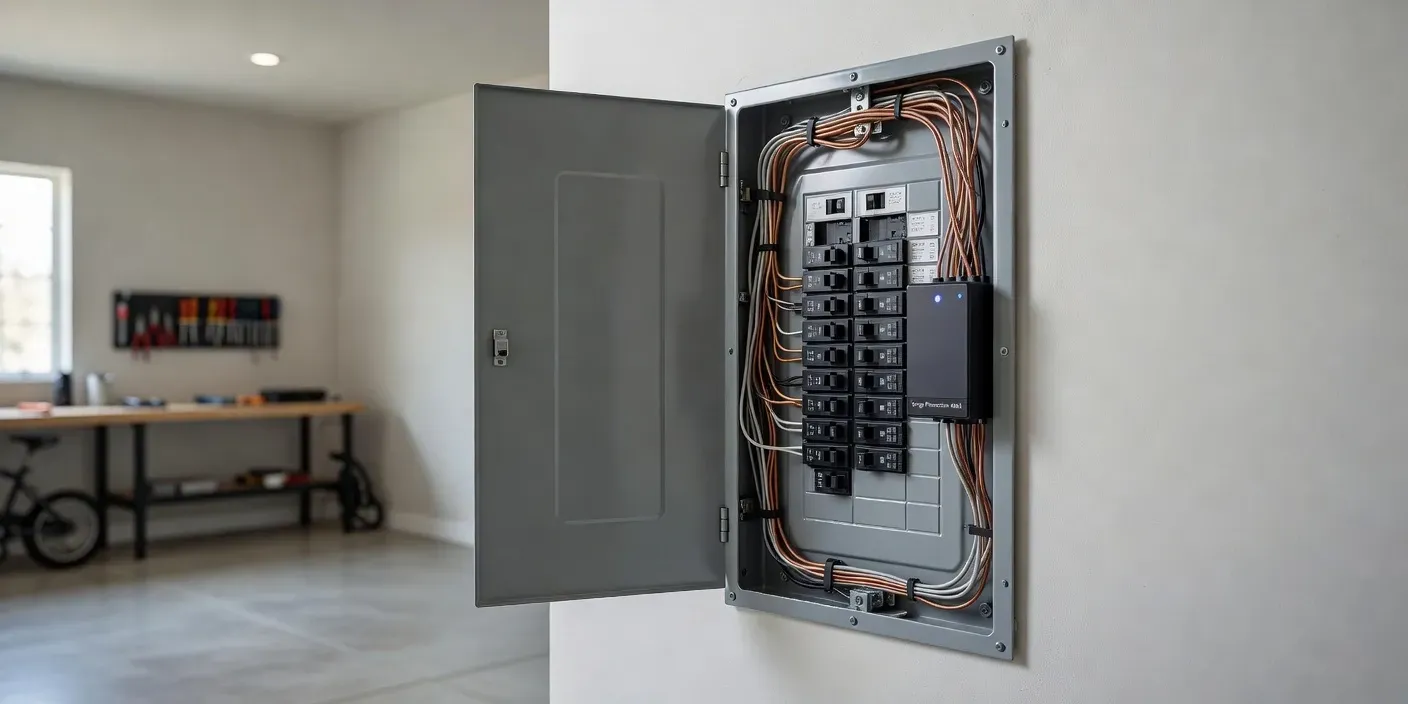
Type 1 units sit ahead of the main breaker when the utility and code path allow it. Type 2 units land on a dedicated breaker inside the new load center. Both need short leads, a solid equipment ground, and matching voltage and SCCR ratings for the panel you install.
Point-of-use strips still help TVs and computers after the service device is in place. They are a second layer, not a substitute for whole-home surge protection tied into the upgraded grounding electrode system.
Burleson A.T. Electric sizes the suppressor to the new load center, documents the model on the schedule, and keeps lead length short so clamping stays effective. Budget cases can stage strips later; skipping a service SPD leaves the whole bus exposed.
Next step: request a panel-upgrade quote with SPD options so the device is ordered with the gear and installed the same day.
Why panel day is the right moment for Whole Home Surge Protection
Whole Home Surge Protection belongs on the same ticket as a panel upgrade in Burleson, Texas because the load center is open, grounding is refreshed, and short SPD leads are easy to land before branch circuits go live. Adding the device later means another shutdown, extra labor, and weaker clamp performance if leads grow long.
Utility switching, nearby lightning, and EV or HVAC startups all put voltage spikes on the service. A hardwired suppressor at the new panel protects the bus and fixed equipment that plug-in strips never see. Pairing Type 1 or Type 2 gear with the upgrade keeps ratings matched to the breakers and SCCR of the equipment you install.
What homeowners should confirm before the crew leaves
Ask for the SPD model on the panel schedule, verify equipment grounding, and confirm lead length stays as short as the layout allows. In Burleson homes with older electrodes, upgrade the ground path with the panel so the suppressor has a low-impedance route. Document warranty terms and any monitoring lights so you can spot end-of-life without opening the cover.
Frequently Asked Questions
Should surge protection be added during an electrical panel upgrade?
Yes. Panel day is the cleanest time to install Whole Home Surge Protection because the enclosure is open, grounds are renewed, and the device can share the same shutdown. You avoid a second visit, keep leads short for better clamping, and cover HVAC, wells, and other hardwired loads outlet strips cannot protect across the home.
Is Whole Home Surge Protection better than power strips alone?
Whole Home Surge Protection clamps surges at the service before they reach branch circuits, so fixed loads and shared wiring stay covered. Strips only guard a few receptacles and leave the panel bus exposed. Use both: a hardwired SPD at the upgraded panel plus point-of-use strips for sensitive electronics as a second layer.
What Type 1 or Type 2 SPD fits a new residential panel?
Type 1 mounts ahead of the main when utility and code allow; Type 2 lands on a dedicated breaker inside the load center. Match voltage and SCCR to the new gear, keep conductors short, and bond to a solid equipment ground.
Preferred Source on Google Search
Add www.burlesonatelectric.com to customize your search feed across Top Stories.