Underground Electrical Wiring for Sheds, Pools, and Outdoor Living Spaces
Planning power for a shed, pool, patio, or driveway charger starts underground. In Burleson, Texas, homeowners need code-ready conduit, burial depth, and load planning so outdoor circuits stay safe and serviceable. Burleson A.T. Electric helps local property owners scope EV Charger / Underground Electric runs that match real outdoor use without guesswork or exposed wiring.
Key takeaways
- Underground branch circuits for sheds, pools, and living spaces must meet burial depth and conduit rules before backfill.
- EV charger circuits often share trench planning with other outdoor feeders when loads and panels allow.
- Pool and wet-area wiring needs GFCI protection and clear separation from decorative landscape lighting.
- A licensed local electrician documents routes, permits, and panel capacity before the trench is opened.
Why run underground electric to sheds, pools, and outdoor living spaces?
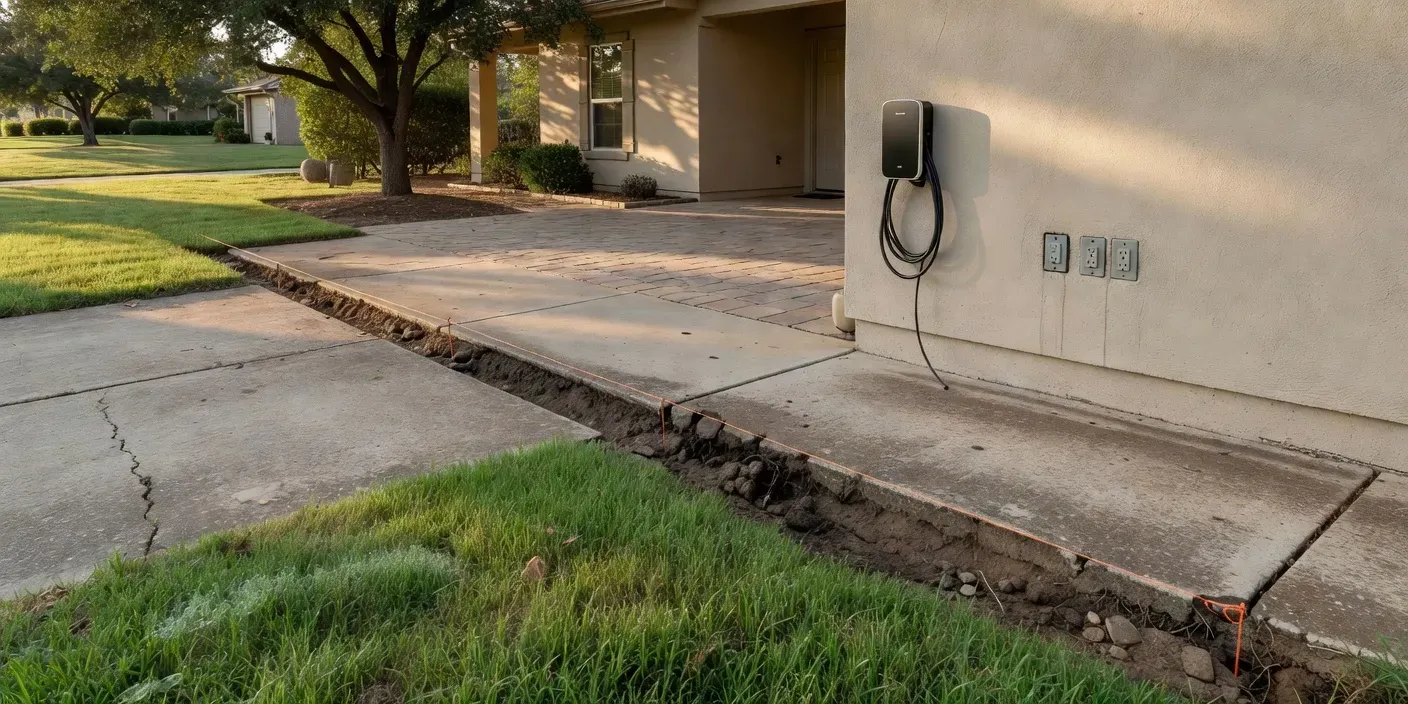
Underground wiring keeps feeders protected from weather, mowers, and foot traffic while supporting sheds, pool equipment, outdoor kitchens, and driveway EV charging from one planned trench. In Burleson, Texas, that approach reduces trip hazards and weather damage compared with overhead or surface runs, and it lets you size conduit for future loads. When you are ready to map routes and panel capacity, review underground electric work and contact the team for a site specific next step.
Which underground path fits EV charger, shed, and pool loads?
Choose burial depth, conduit type, and shared-trench layout by load type so EV charger / underground electric feeders, shed circuits, and pool equipment stay code-ready, GFCI-protected where required, and free of exposed runs across a Burleson, Texas yard.
| Option | Best for | Watch-out |
|---|---|---|
| Dedicated EV feeder | Level 2 driveway charging | Confirm panel capacity before trench |
| Shared trench multi-circuit | Shed plus outdoor living | Separate wet-area rules from dry feeders |
| Pool equipment branch | Pumps, heaters, controls | GFCI and clear lighting separation |
| Landscape-only conduit | Low-voltage paths only | Do not mix with EV charger power |
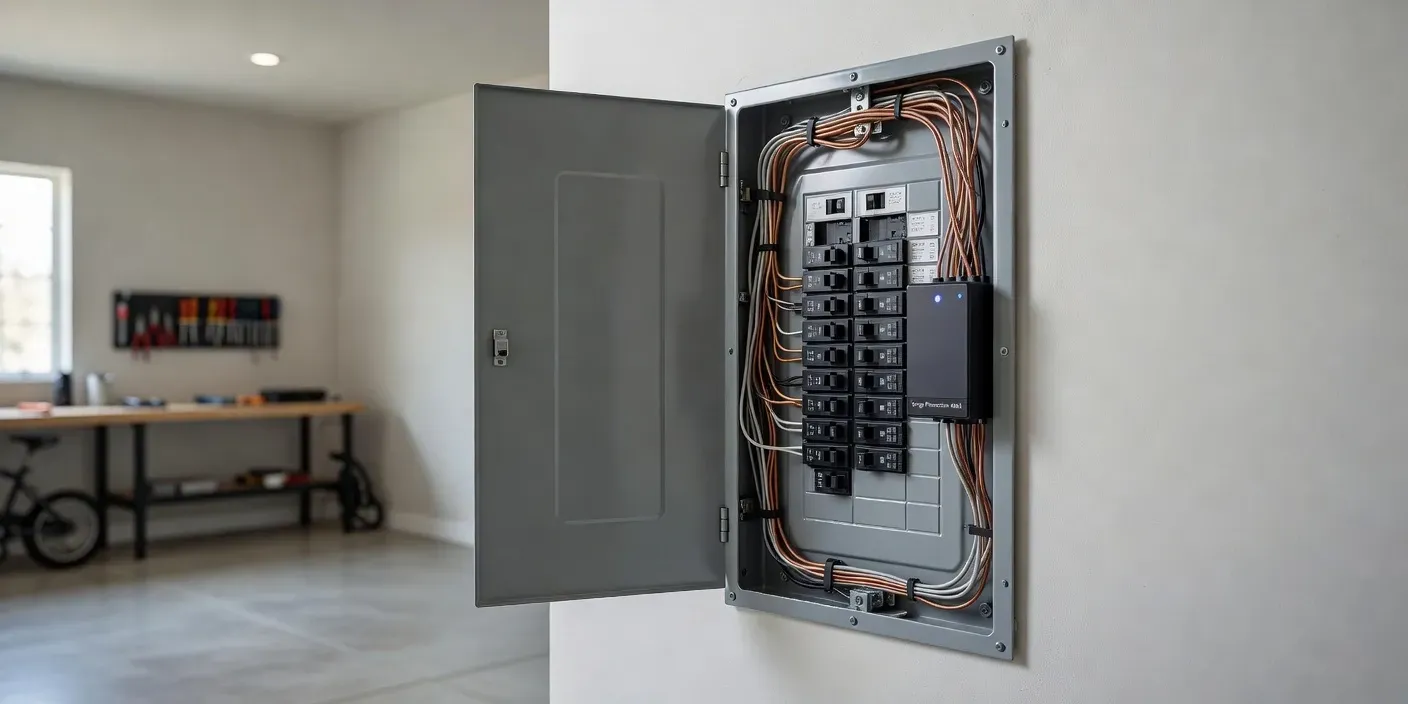
PVC or rigid conduit in a planned trench protects conductors from mowers and soil moisture. Depth and fill follow local inspection before backfill. Map clearances to pool shells and equipment pads early.
Burleson A.T. Electric sizes EV Charger / Underground Electric routes with sheds and outdoor living so one dig serves real use. Document loads, permits, and pull points before opening ground.
Which conduit and depth choices protect outdoor EV and yard circuits?
In Burleson, Texas yards, EV charger / underground electric feeders usually need listed conduit, burial depth matched to cover type, and separate planning from pool bonding so shed lights, outdoor living receptacles, and driveway charging stay inspectable, dry, and free of shallow trips across lawns and pads.
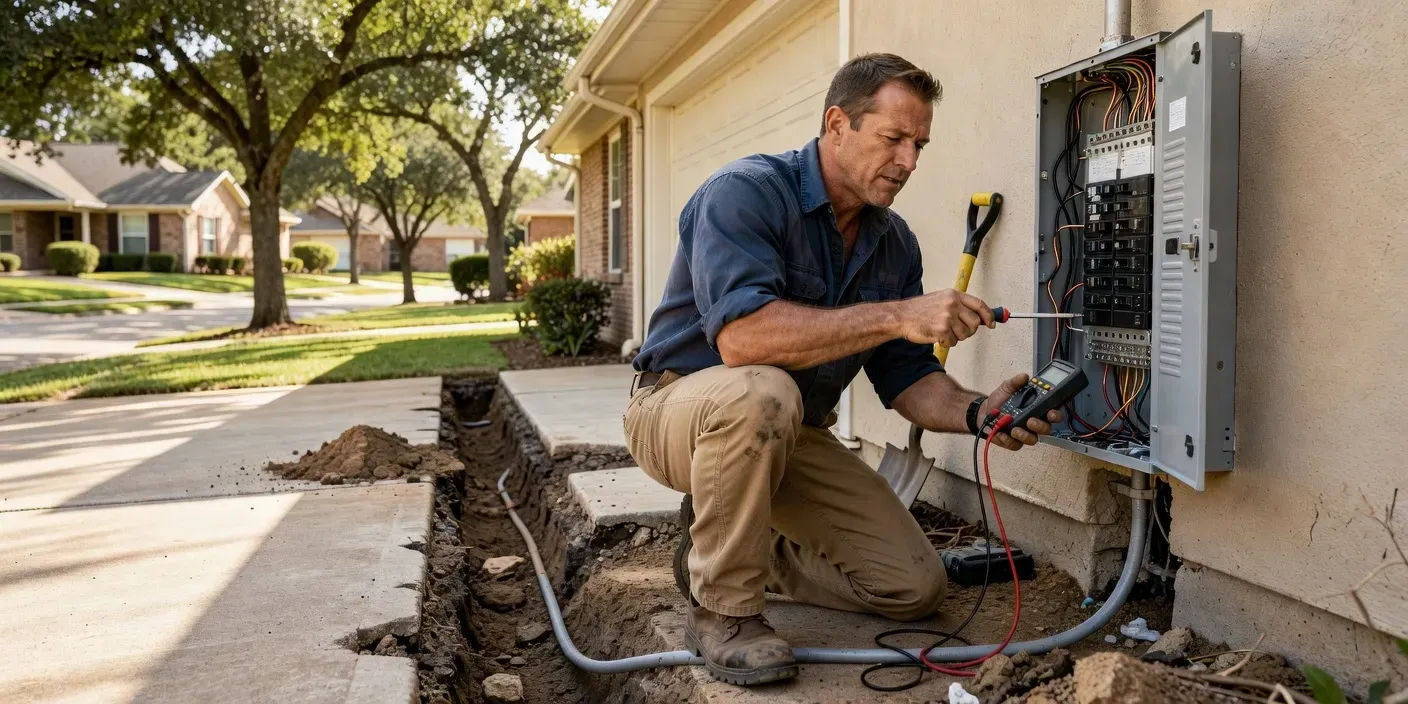
Rigid metal or schedule-rated PVC keeps conductors off soil and mower blades. Inspectors check depth before backfill, so mark the route from panel to pad first. Keep pool equipment branches clear of pure landscape low-voltage runs.
Shared trenches save dig cost when circuits stay identified and pullable. Label each conduit at both ends. Leave spare capacity if a second Level 2 bay or shed workshop is likely later.
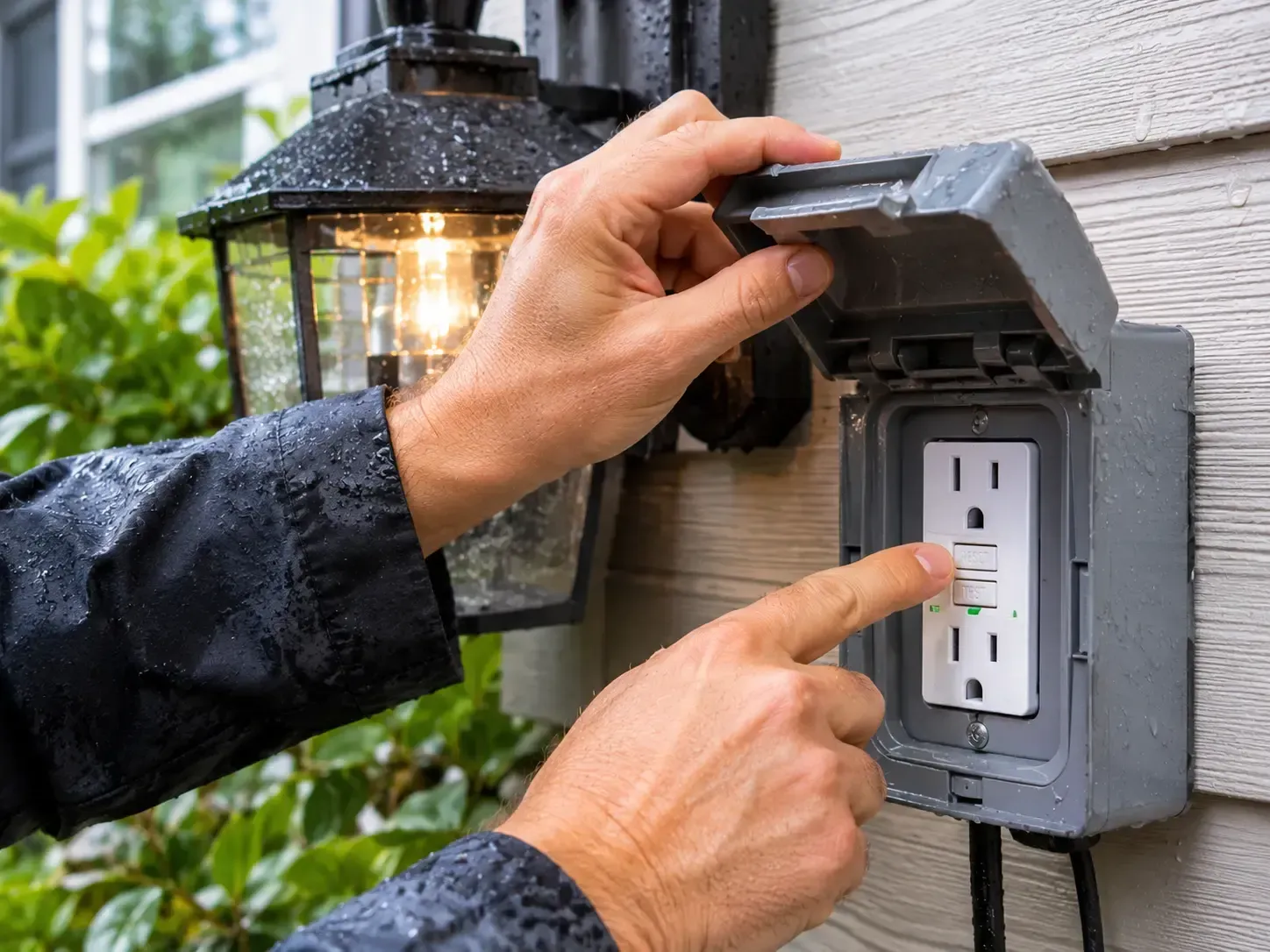
Wet-location GFCI rules still apply at the equipment end even when the feeder is buried. Outdoor living kitchens and pool pumps need that protection at the point of use, not only at the trench.
When you schedule underground electric work, bring load notes and yard photos so the trench serves charger, shed, and pool without a second dig.
How do Burleson homeowners plan EV charger / underground electric with sheds and pools?
Plan the full path from the service panel to the charger pad, shed subfeed, and pool equipment pad in one layout so EV charger / underground electric work in Burleson, Texas meets depth, conduit, and GFCI rules without conflicting trenches or bonding paths.
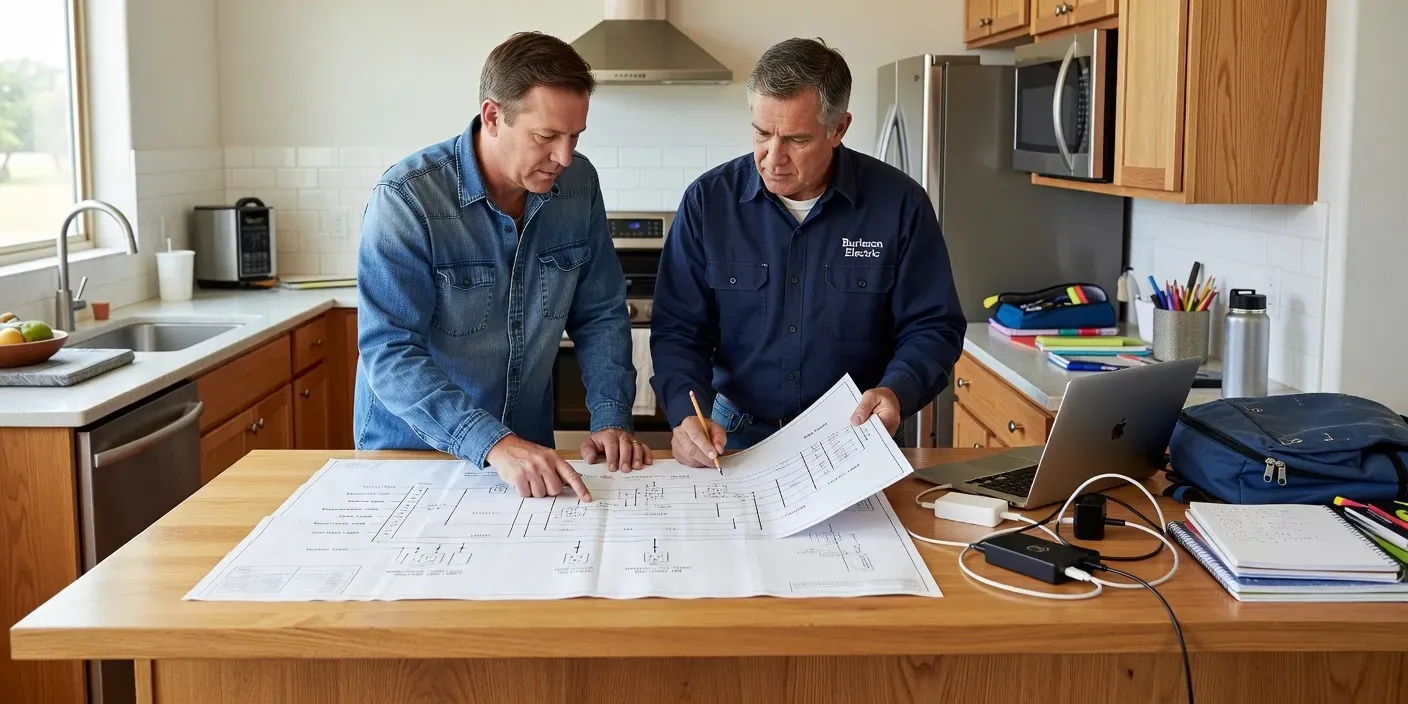
Map loads before the dig. Note Level 2 amperage, shed lighting and receptacles, and pool pump or heater circuits. Keep bonding conductors and equipment-grounding paths distinct from landscape lighting.
Call 811, then mark private lines. Place pull points where the run turns hard or crosses driveways. Inspectors in Burleson expect listed wet-location fittings and burial depth verified before backfill.
What should you check before the trench crew arrives?
Confirm panel capacity, disconnect location, and pad placement so the crew opens ground once and leaves pullable, labeled conduits for charger, shed, and outdoor living circuits.
Photograph the yard and note future pads. Shared trenches cut cost when each conduit stays identified. Spare capacity helps if a second bay or workshop appears later.
Wet-location GFCI still belongs at the equipment end. That rule covers outdoor kitchens and pool gear even when the feeder is buried.
When you are ready for a site review, contact Burleson A.T. Electric with load notes and photos so the trench plan fits your driveway, shed, and pool layout.
Frequently Asked Questions
How deep should underground EV charger conduit be buried in a Burleson yard?
Depth depends on cover type and conduit. Rigid metal or schedule-rated PVC under lawns or driveways follows the burial table your inspector applies.
Can one trench serve a shed, pool equipment, and a Level 2 charger?
Yes when circuits stay separated, labeled, and pullable. Shared digs lower cost if each run is identified at both ends and pool bonding stays clear of landscape low-voltage paths. Plan spare capacity if a second charger bay or shed workshop is likely later.
What matters most for pool-side underground electric near outdoor living spaces?
GFCI protection, equipment bonding, clearances, and listed wet-location connectors at every joint. Feeders should not share neutrals with long-duration EV charger loads.
Preferred Source on Google Search
Add www.burlesonatelectric.com to customize your search feed across Top Stories.