What Happens If Your Electrical Panel Cannot Handle Your Home’s Power Demand?
Key Takeaways and Insights
When your home's electrical panel cannot handle modern power demands, it poses serious safety risks and threatens your expensive appliances. Recognizing warning signs like flickering lights, tripping breakers, and burning smells can prevent catastrophic failures. Upgrading your capacity ensures your property safely supports high-demand equipment like air conditioners and EV chargers.
* Flickering lights and frequently tripping breakers indicate your electrical panel is severely overloaded.
* Ignoring capacity limits can lead to melted wiring, appliance damage, and serious residential fires.
* Upgrading to a 200-amp panel safely accommodates modern heavy appliances, especially during hot Texas summers.

Your electrical panel is the beating heart of your property. Every time you flip a light switch, turn on the air conditioner, or plug in a device, this metal box directs the necessary power. It keeps your daily life running smoothly.
However, residential power consumption has changed dramatically over the last few decades. Older systems were simply not built for modern electronics. When your electrical panel is too small for your power needs, it struggles to keep up. This creates significant safety risks for your property.
Understanding the limits of your current system is essential. If you ignore the warning signs, you could face damaged appliances or serious fire hazards.
Understanding Your Home Power Capacity
Electricity enters your property from the utility line and goes straight to the main panel. This panel divides the total power into separate circuits. Each circuit feeds electricity to a specific room or major appliance.
Every panel has a maximum amperage rating. This number dictates how much total electricity your system can safely process at one time. Many older houses were built with 60-amp or 100-amp panels. This was perfectly adequate thirty years ago. Today, central air conditioning, multiple televisions, computers, and electric vehicles draw massive amounts of energy.
When you demand more power than the panel can supply, the system becomes overloaded. The breakers are designed to trip and cut the power. This is a crucial safety mechanism. If a breaker fails to trip during an overload, the wiring can overheat rapidly.
Signs Your System is Overloaded
Your house will usually give you warning signs before a catastrophic electrical failure occurs. Paying attention to these symptoms can save you thousands of dollars in repairs. It can also protect your family from hidden dangers.
Flickering or Dimming Lights
Do your living room lights dim when the refrigerator compressor kicks on? Do they flicker when you run the microwave? This is a primary sign that your panel lacks sufficient capacity.
When a large appliance powers up, it requires a sudden surge of electricity. If your panel cannot handle this spike, it pulls power away from other circuits. This causes your lighting to drop in brightness. Consistent dimming means your system is constantly operating near its maximum limit.
Tripping Breakers and Blown Fuses
Circuit breakers are supposed to trip when a circuit is overloaded. This stops the flow of electricity and prevents the wires from melting. However, a breaker should not trip on a regular basis.
If you find yourself walking to the garage weekly to reset a breaker, you have a capacity problem. You might have too many devices plugged into a single circuit. Alternatively, your main panel might be too small to support your daily habits.
Burning Smells and Scorch Marks
This is a severe warning sign. If you ever smell burning plastic near your breaker box, you need immediate professional help. Overloaded wires generate immense heat. This heat melts the plastic insulation surrounding the copper wiring.
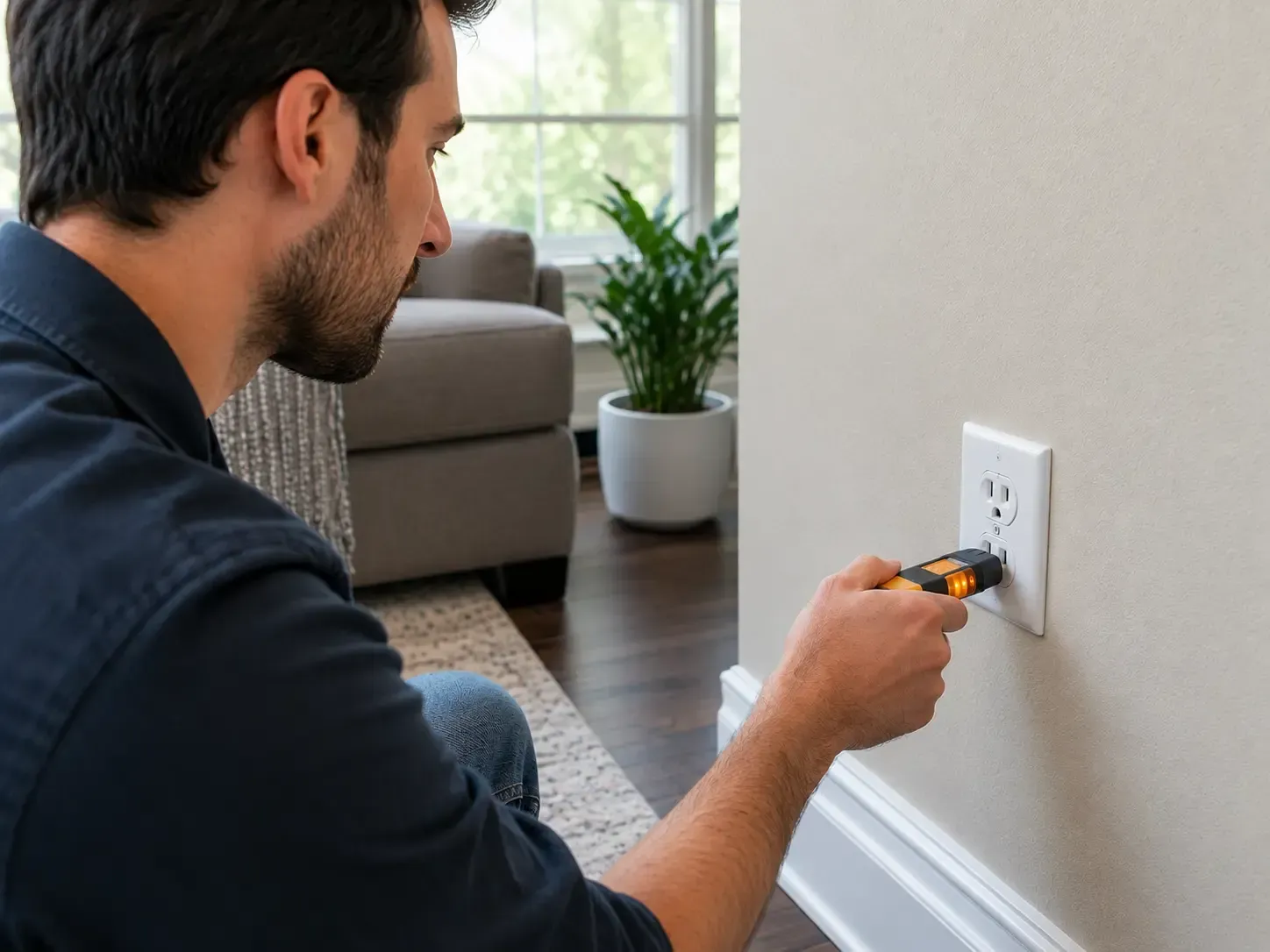
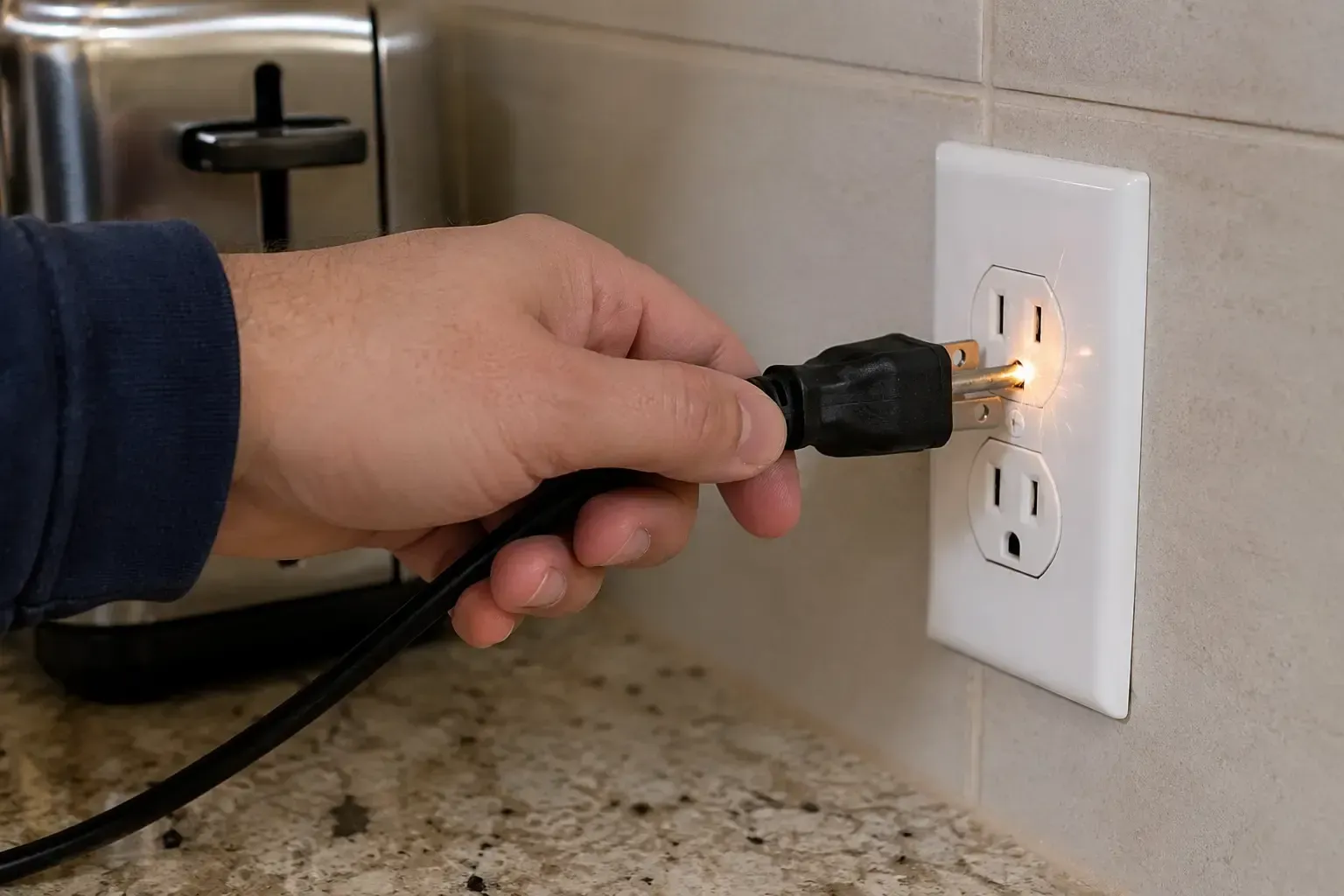
You should also inspect your wall outlets. Look for black or brown scorch marks around the plug slots. Discoloration means the wiring behind the wall is overheating. Do not use any outlet that shows signs of heat damage.
Warm Outlets and Switches
Wall switches and power outlets should always feel cool to the touch. The metal face of your main panel should also be room temperature. If any of these components feel warm or hot, you are drawing too much current. Heat is a byproduct of electrical resistance. When too much electricity forces its way through an inadequate wire, friction creates heat.
The Hidden Dangers of Ignoring Power Demands
Many people tolerate flickering lights or tripping breakers for years. They view these issues as minor inconveniences. This is a dangerous mindset. Ignoring an overloaded system puts your entire property at risk.
First, you risk starting an electrical fire. According to fire safety experts, electrical failures are a leading cause of residential fires. Overheated wires can easily ignite wooden wall studs or fiberglass insulation.
Second, power surges can destroy your expensive appliances. When a panel struggles to regulate power, it sends inconsistent voltage to your devices. This fluctuation degrades the sensitive circuit boards inside televisions, computers, and smart appliances. A single severe power spike can ruin thousands of dollars worth of electronics in seconds.
Third, an outdated panel can void your homeowner's insurance policy. Many insurance companies require properties to meet current safety standards. If a fire starts because you failed to upgrade an obsolete 60-amp panel, your insurance claim might be denied.
Why Modern Homes Need Professional Electrical Services
The way we consume energy is constantly evolving. A standard house built in the 1980s was not wired to support electric vehicle chargers. It was not built for smart home hubs or massive central cooling systems.
When you add new technology to an old system, you push your wiring past its breaking point. This is why securing professional Electrical Services is vital for property maintenance. Licensed experts can evaluate your current capacity. They can accurately calculate your total power load and recommend the right solutions.
Attempting to fix an overloaded panel yourself is incredibly dangerous. The main utility lines entering your box carry fatal levels of current. Even when the main breaker is switched off, certain internal components remain fully energized. Professional technicians have the training, gear, and experience to safely handle these high-voltage systems.
Amperage Comparison Guide
Understanding your current capacity helps you make informed decisions. Below is a simple guide comparing common panel sizes, their typical uses, and when an upgrade is recommended.
| Panel Size | Common Application | Typical Home Size | Upgrade Recommended |
|---|---|---|---|
| 60 Amps | Older, historic properties | Under 1,000 sq ft | Yes, immediately |
| 100 Amps | Properties with gas heating | 1,000 to 1,500 sq ft | Likely, for modern needs |
| 150 Amps | Standard modern properties | 1,500 to 2,000 sq ft | Maybe, if adding EV charging |
| 200 Amps | Properties with electric heat | 2,000+ sq ft | No, adequate for most |
A quick look at your main breaker switch will usually reveal your current capacity. The number stamped on the main switch indicates your total amperage.
Steps to Solve Panel Overload Issues
If your home exhibits signs of an overloaded system, you have practical options. The solution depends on the age of your equipment and your future energy plans.
Load Balancing and Sub-Panels
Sometimes the main panel has enough overall capacity, but specific circuits are overloaded. An electrician can reorganize the breakers to distribute the power evenly. This process is called load balancing.
If you are adding a new room or a workshop, a sub-panel might be the answer. A sub-panel connects to your main panel but provides localized circuits for a specific area. This prevents the new electrical load from crowding your primary breaker box.
Upgrading Your Equipment
The most definitive solution is a complete panel replacement. This process removes the outdated box and installs a modern, high-capacity unit.
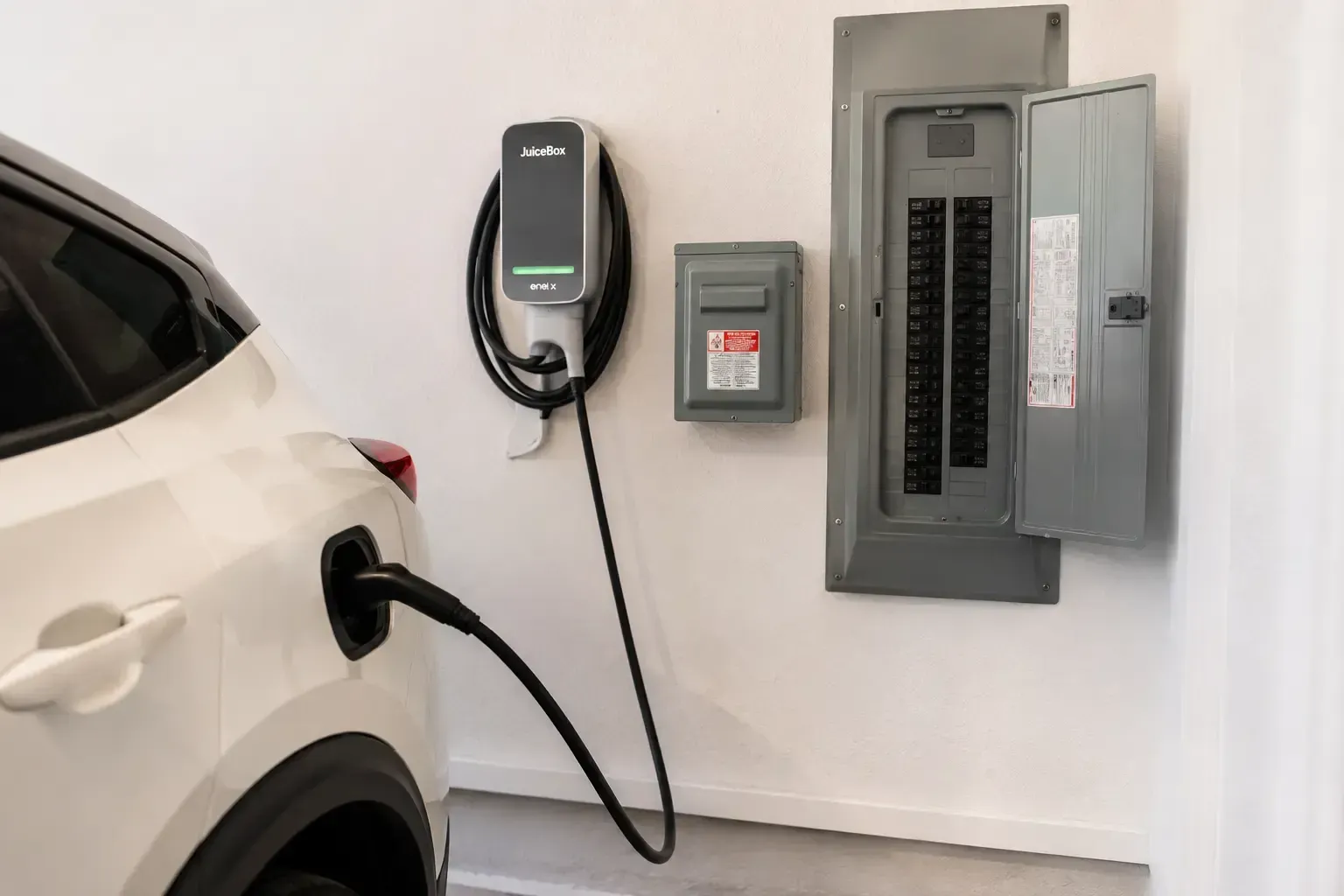
Upgrading to a 200-amp system prepares your property for future technologies. It gives you the overhead needed for electric vehicle chargers and modern induction stoves. If you want to explore this option, you can learn more about professional electrical panel upgrades to see how the process works.
Consulting a Professional
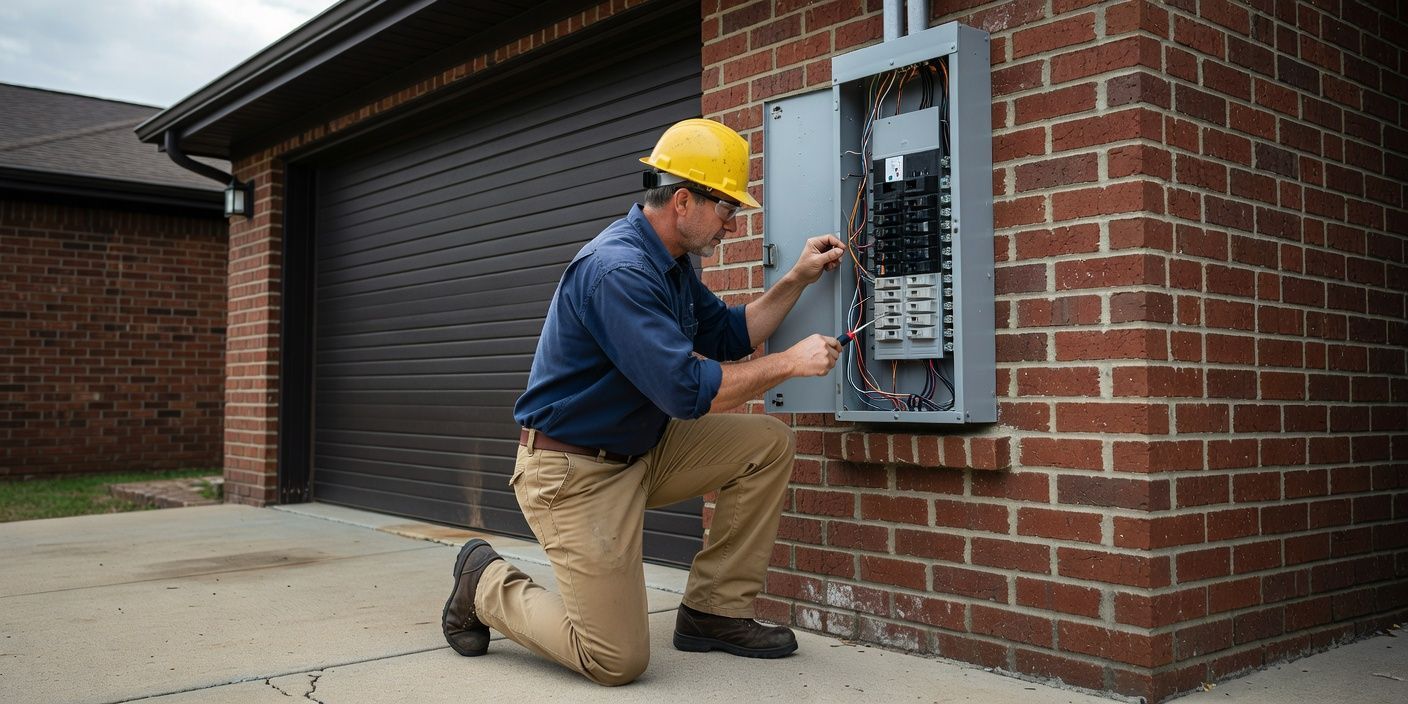
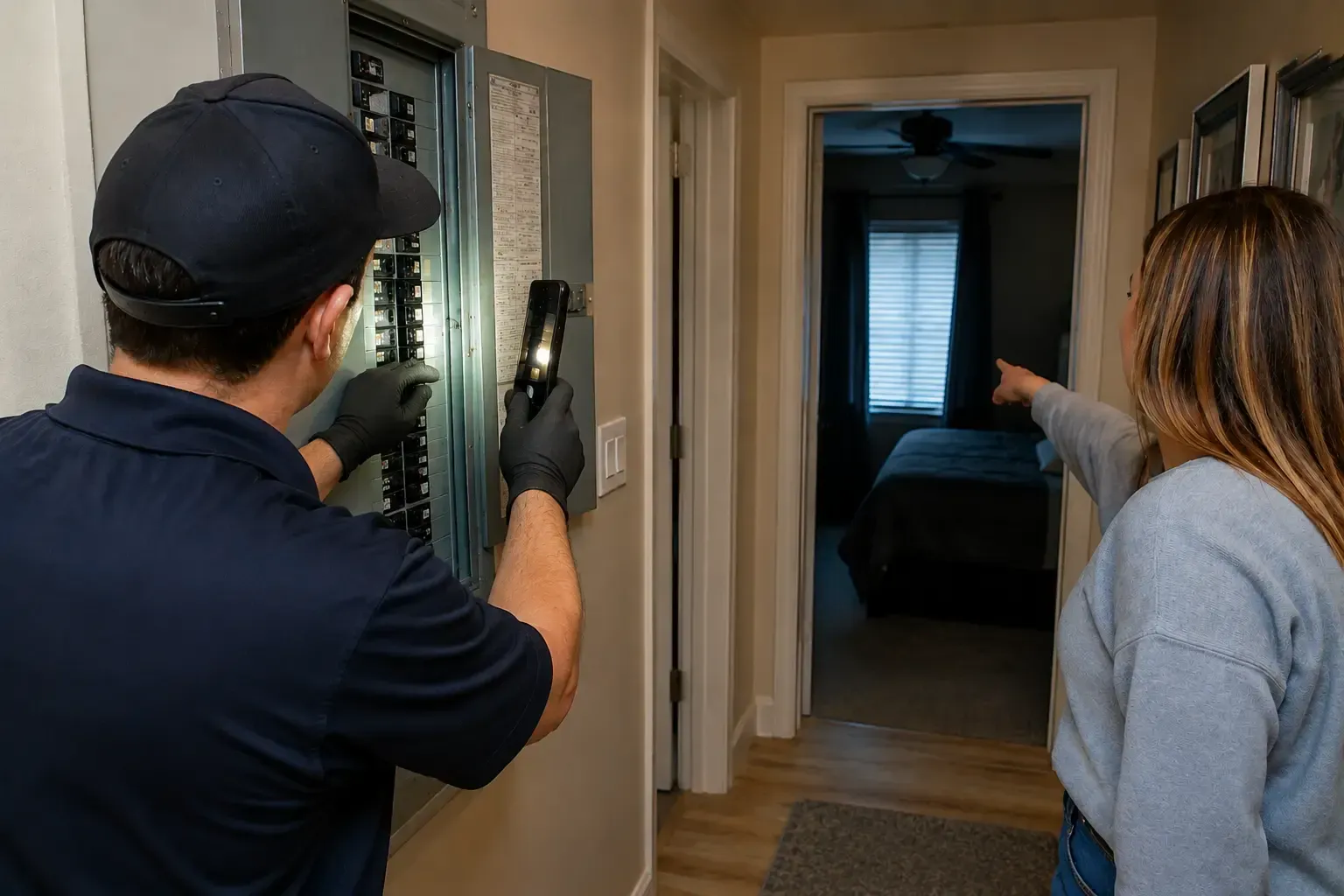
Never guess when it comes to the safety of your family. A thorough inspection takes the guesswork out of the equation. A certified technician can test your voltage drops and inspect your wiring. They can tell you exactly what your system needs to function safely.
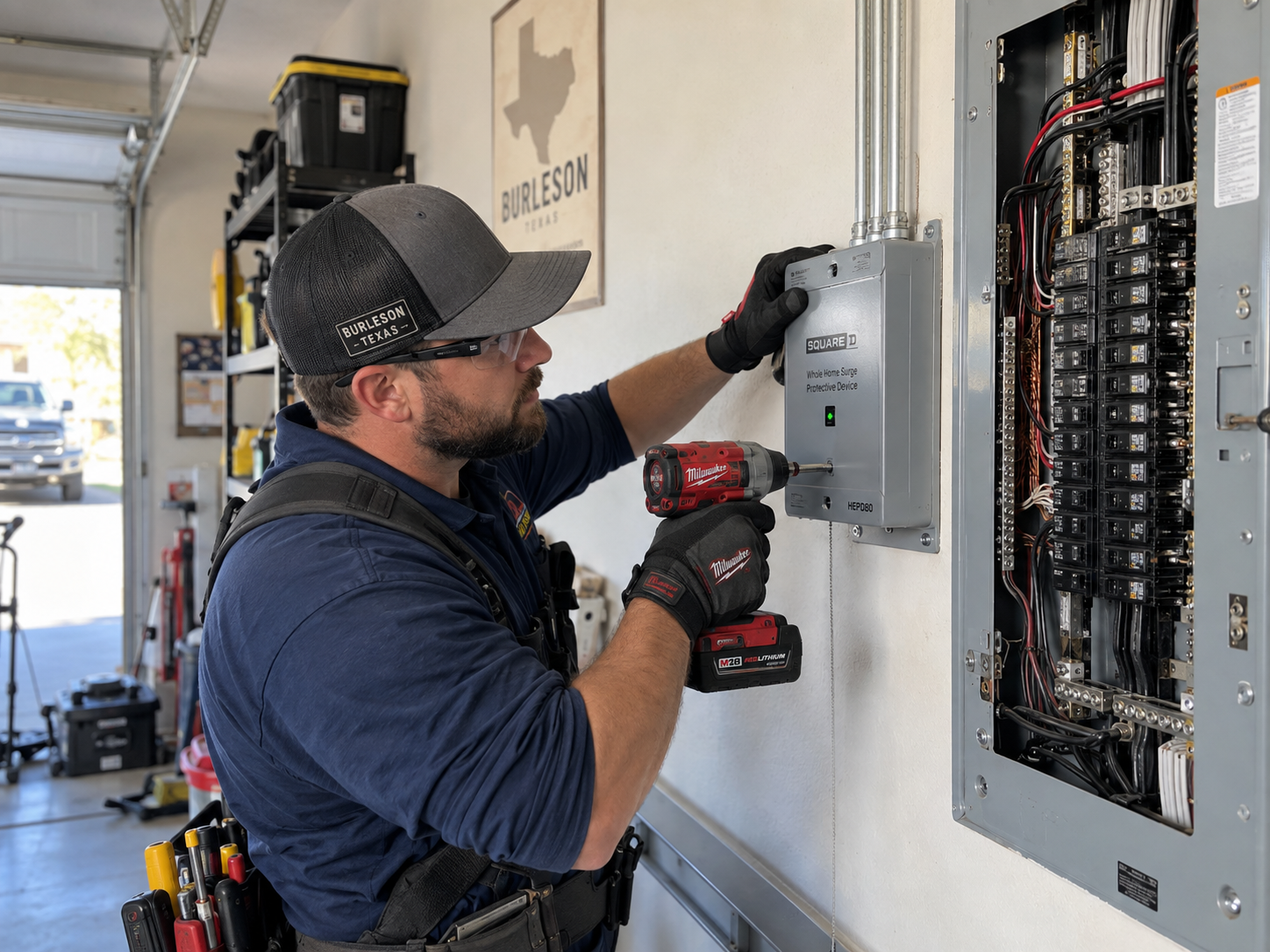
For reliable guidance, you can rely on Burleson AT Electric to evaluate your home. Our team provides honest assessments of your current power infrastructure. We help you make informed decisions about your property. If you have immediate concerns about your breaker box, please reach out to our team today.
Conclusion of Power Management
Your electrical system is the lifeline of your daily routine. Ignoring an overloaded panel is a gamble with your property and safety. By recognizing the warning signs early, you can take preventative action. Regular trips, flickering lights, and strange smells are cries for help from your wiring. Protect your investment by ensuring your home has the power capacity it truly needs.
Frequently Asked Questions
What happens if I ignore a tripping breaker?
Ignoring a tripping breaker forces the internal wires to constantly heat up and cool down. This cycle degrades the wire insulation over time. Degraded insulation leads to exposed wires, arc faults, and severe electrical fires.
Can an overloaded panel increase my electric bill?
Yes, an overloaded panel can increase your monthly costs. When voltage drops occur, appliances must run longer and harder to achieve their desired results. This inefficiency wastes electricity and drives up your utility bill.
How long does an electrical panel upgrade take to complete?
Describe the item or answer the question so that site visitors who are interested get more information. You can emphasize this text with bullets, italics or bold, and add links.