
Why Outdoor Lights Keep Tripping a GFCI Outlet After Rain
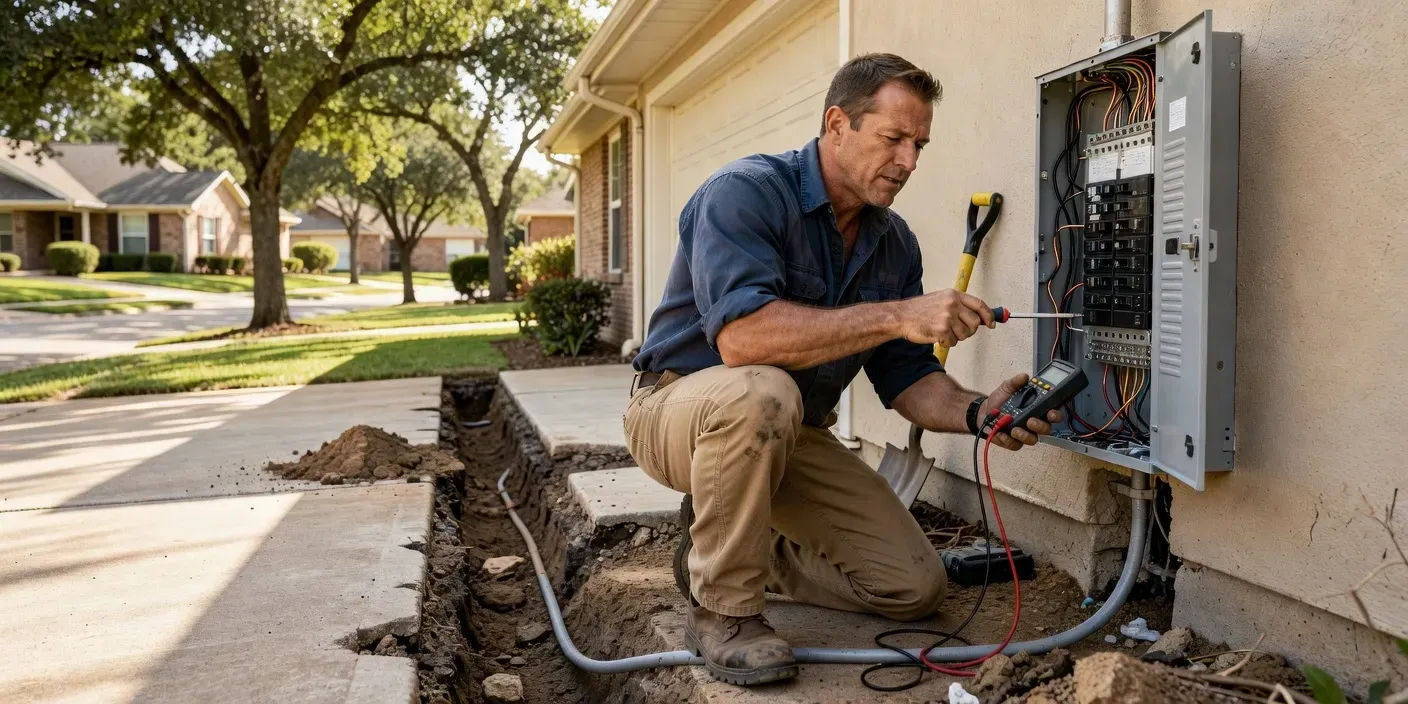
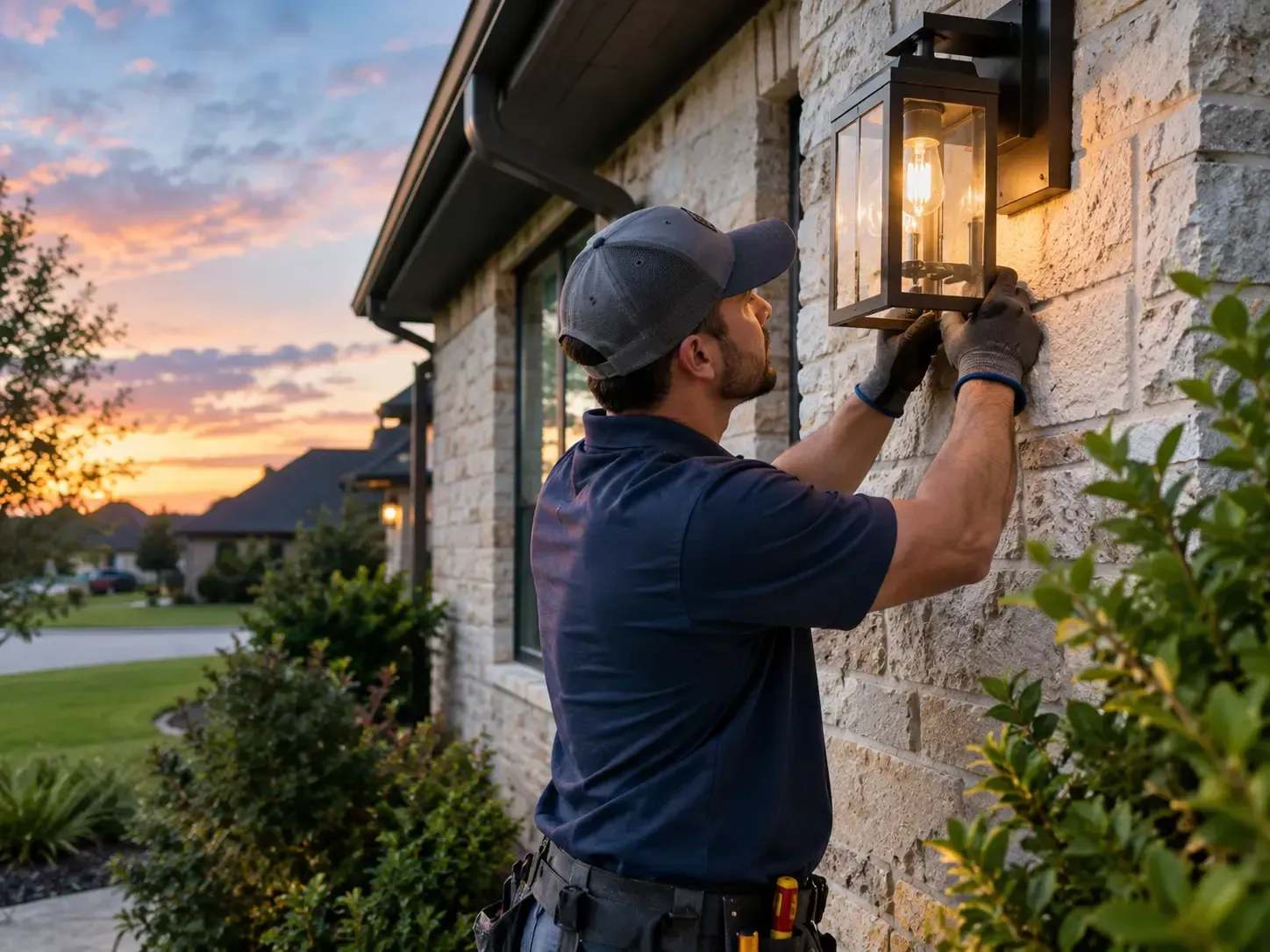
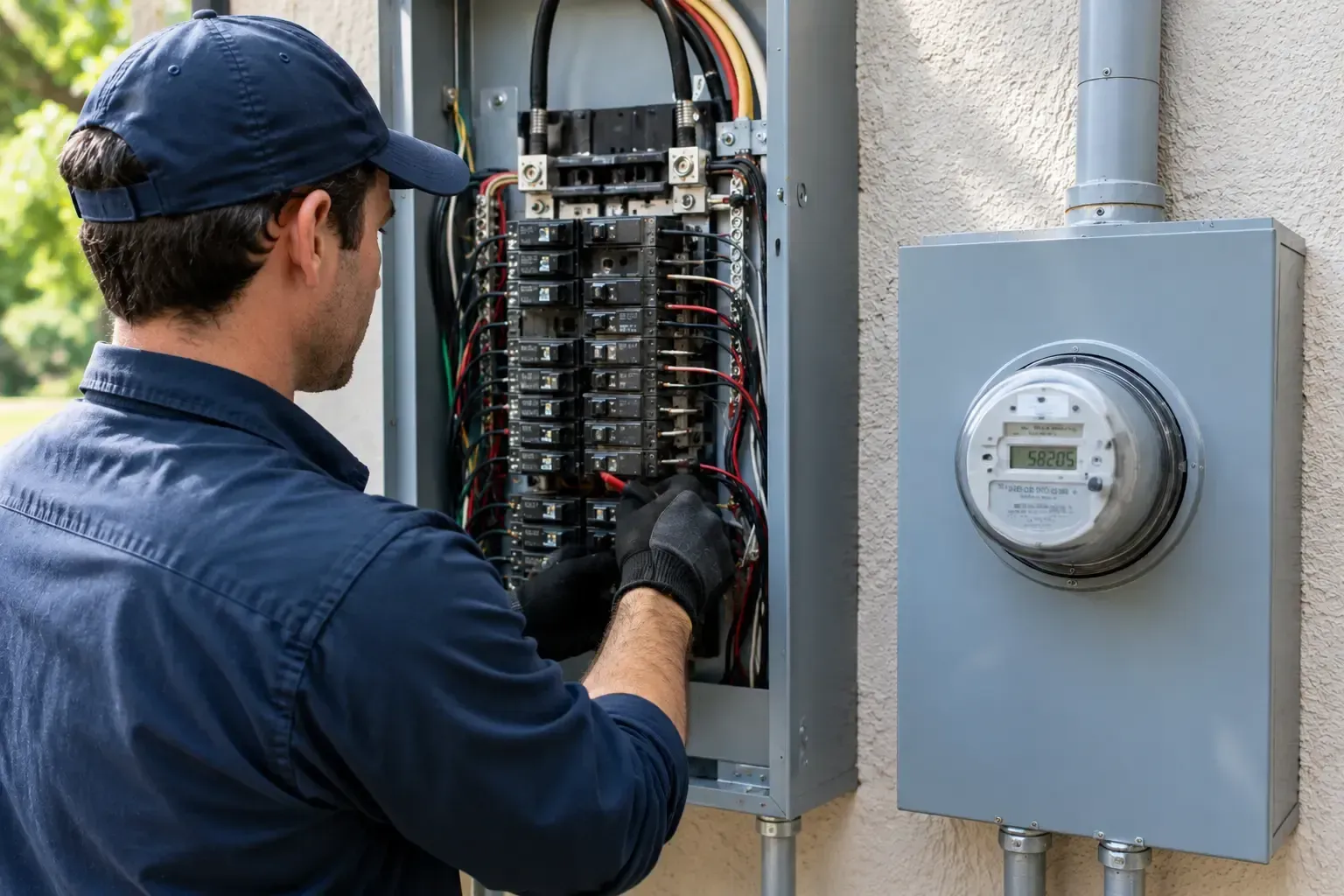
After rain, moisture can sneak into fixtures, boxes, or cord ends and trip a GFCI that protects wet-location circuits. Homeowners in Burleson, Texas often see this with yard and porch setups. Burleson A.T. Electric helps diagnose leaks, grounding faults, and worn seals so Outdoor Lighting stays safe and reliable without constant resets.
Key takeaways
- Rain-driven moisture on outdoor GFCIs is a common trip cause.
- Damaged cords, open boxes, and failed seals invite water.
- Shared circuits can trip from one wet fixture or receptacle.
- A licensed check confirms load, ground, and weatherproofing.
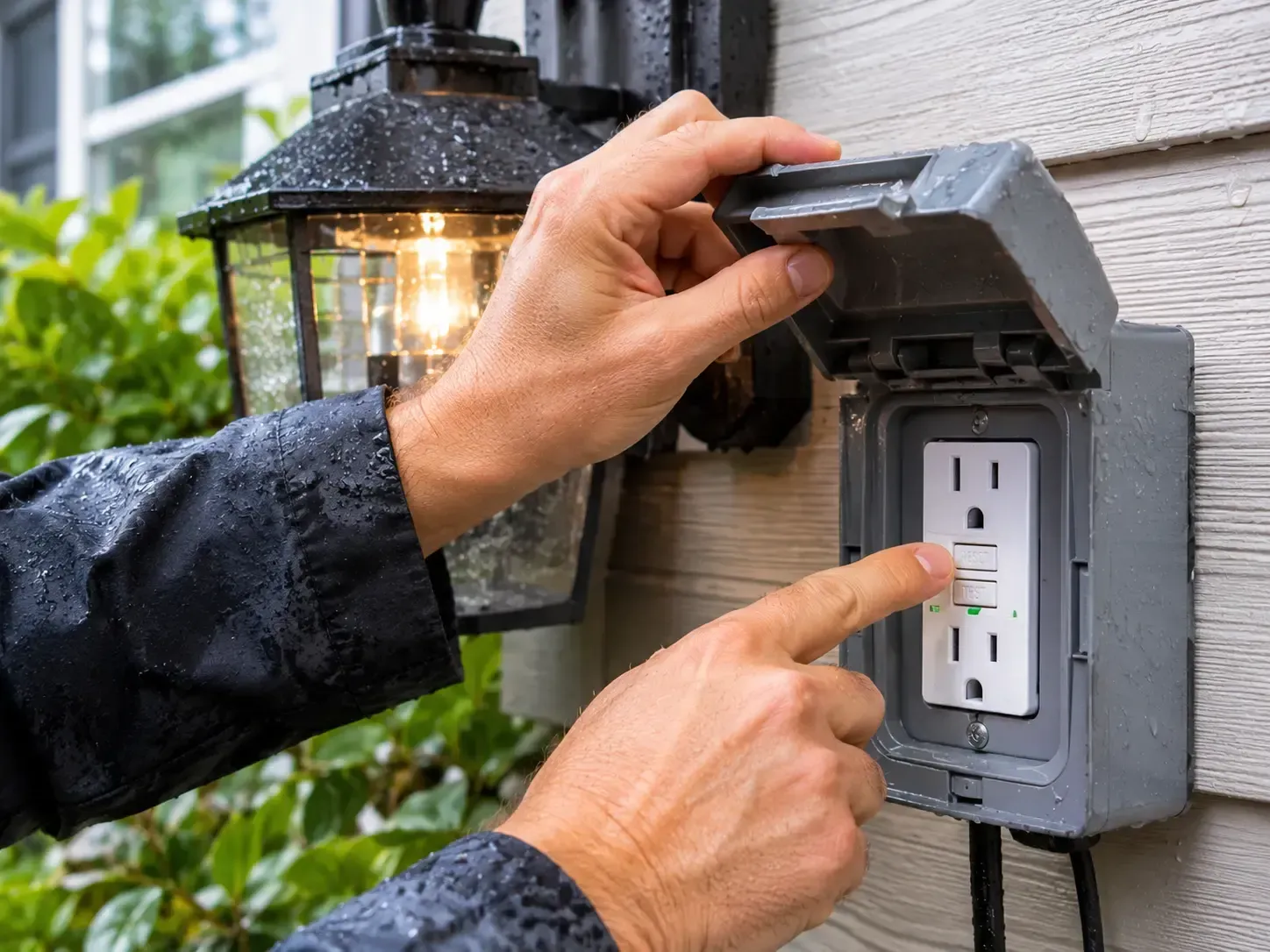
Why does rain make outdoor GFCIs trip so often?
Moisture bridges hot and ground or neutral paths at fixtures, plugs, or junction boxes, so the GFCI senses imbalance and cuts power within milliseconds to reduce shock risk on wet outdoor circuits. In Burleson yards, that often points to aging outdoor lighting hardware rather than the breaker alone. Schedule a next-step inspection via Contact if trips continue after drying.
Which Outdoor Lighting spots usually cause GFCI trips after rain?
Fixtures with failed gaskets, low junction boxes, cracked cord ends, and shared wet receptacles are the usual rain-trip sources because water creates a ground-fault path the GFCI must clear; in Burleson, Texas yards those weak points show up after storms more than dry-season use, so targeted sealing and elevation beat endless resets. Check each area before assuming the GFCI itself failed.
| Spot | Best for spotting issues | Watch-out |
|---|---|---|
| Fixture seals | Lens and canopy leaks after storms | Brittle gaskets still look “fine” dry |
| Junction boxes | Low or unsealed covers in beds | Standing water under lids |
| Cord ends and plugs | Temporary string or path lights | Cracks wick moisture inward |
| Shared receptacles | One wet device on the circuit | A single fault trips the whole run |
GFCI trip versus breaker trip: which points to wet outdoor lighting?
A GFCI trip after rain usually means moisture created a small leakage path to ground in fixtures, boxes, or cords, while a standard breaker trip more often signals overload or a hard short; in Burleson, Texas yards, post-storm GFCI clicks without a dead whole panel almost always trace to wet outdoor lighting rather than the main service.
GFCIs sense tiny current imbalances. Water inside a lens or plug can leak only milliamps and still open the device. Breakers need much higher fault current or sustained load before they open.
That difference guides the first checks. If only the outdoor GFCI resets and indoor loads stay on, focus on landscape runs, low boxes, and shared wet-location receptacles. If the branch breaker also trips, look for damaged cable or a true short before blaming rain alone.
Dry the circuit fully, then retest one fixture group at a time. Persistent trips after clear weather still need a hands-on look from Burleson A.T. Electric.
Seal, elevate, and separate wet devices so the next storm does not repeat the cycle. When resets fail after drying, take the next step through Contact for a licensed inspection.
Common Moisture Paths After Storms
Outdoor Lighting trips a GFCI after rain when water slips past cracked lenses, loose gaskets, low boxes, or wet plugs and leaks only a few milliamps to ground, enough for the GFCI to open while the branch breaker stays closed. In Burleson, Texas yards, runoff and dew hit path lights and shared wet-location receptacles first.
Elevate boxes above grade. Replace brittle seals before the next front. Separate landscape loads from general outdoor receptacles so one wet fixture cannot drop the whole circuit.
Safe Drying and Isolation
Dry the full Outdoor Lighting run, reset once, then re-energize fixture groups one at a time so a single wet device cannot keep the GFCI open; skip repeated forced resets on damp gear because that stresses contacts and masks the leak. Unplug seasonal cords first. Mark which zone holds.
If trips return in clear weather, stop DIY resets. A licensed look prevents hidden corrosion.
When to Call for Service
Persistent GFCI trips on Outdoor Lighting after full drying, warm covers, or a breaker that also opens signal more than surface moisture and need hands-on diagnosis in Burleson, Texas. Schedule through the Contact page when home checks fail.
Frequently Asked Questions
Why does outdoor lighting trip a GFCI only after rain?
Water creates a tiny ground-fault path inside fixtures, boxes, or cords that a GFCI senses in milliamps while a standard breaker ignores. Once moisture evaporates the imbalance often disappears, so trips track wet weather. Shared wet receptacles in Burleson yards raise the odds until seals and elevations improve.
Can I keep resetting the GFCI right after every storm?
No. Wait until fixtures, covers, and cords are fully dry, then reset once and isolate zones. Forced wet resets wear the device and hide the real leak path. If the trip returns in dry conditions, stop and have the run inspected rather than cycling the button.
Can low-voltage landscape lights still trip a GFCI?
Yes. The plug-in transformer or upstream receptacle is often GFCI-protected. Wet secondary splices, damaged cord jackets, or a soaked transformer.
Preferred Source on Google Search
Add www.burlesonatelectric.com to customize your search feed across Top Stories.