When and How to Schedule an Electrical Inspection for a Safer, Smarter Home
Your home's electrical system is its central nervous system. It powers your lights, charges your devices, runs your appliances, and keeps your family comfortable and connected. Yet, for most homeowners, it operates silently and out of sight, often forgotten until a problem arises. But what if you could prevent those problems before they start? What if you could ensure your home is not only safer but also smarter and more efficient? That's where a professional electrical inspection comes in.
Many people only think about electricians when a light flickers or a breaker trips, but proactive care is the key to a safe and reliable electrical system. An electrical inspection is a comprehensive health check-up for your home's wiring, panels, and components. It's an essential service that can uncover hidden dangers, prevent costly repairs, and provide invaluable peace of mind. Here at Burleson AT Electric, we believe that understanding your home's electrical health is the first step toward creating a truly secure and modern living environment.
This guide will walk you through the critical moments when an electrical inspection is not just recommended but necessary, and we'll demystify the process of what to expect when you schedule one. Let's illuminate the path to a safer, smarter home.
What Exactly is a Professional Electrical Inspection?
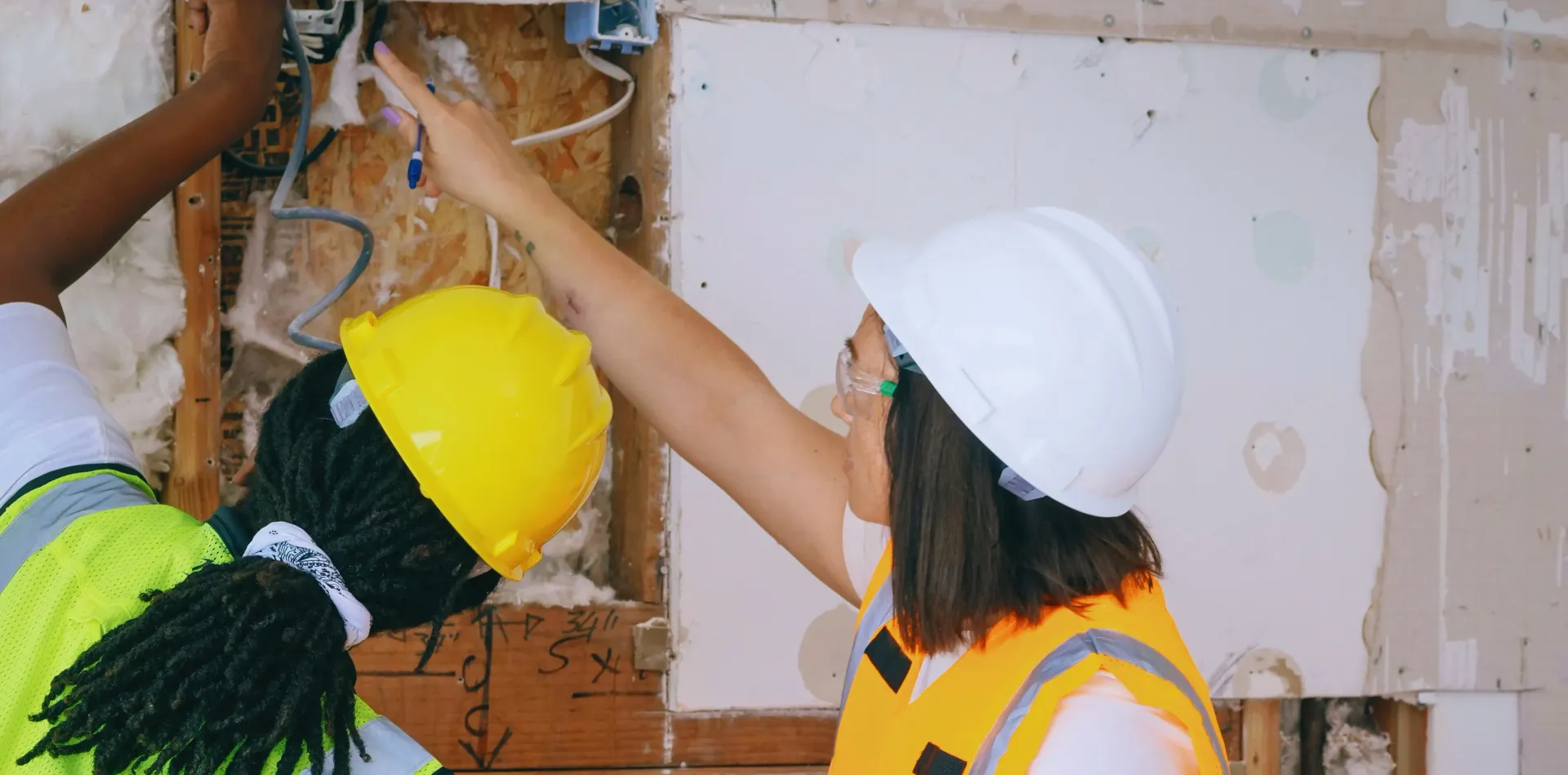
Before we dive into the 'when' and 'how,' it's important to understand what a professional electrical inspection entails. Unlike a basic check done during a general home inspection, a dedicated electrical inspection is a deep dive into the integrity and safety of your entire electrical system. It's performed by a qualified, licensed electrician who has the expertise to identify issues that are often invisible to the untrained eye.
The goal is threefold:
- Safety: To identify and mitigate potential fire hazards, electrocution risks, and other dangers like outdated wiring or overloaded circuits.
- Compliance: To ensure your electrical system is up to date with the latest National Electrical Code (NEC) standards and local building codes.
- Functionality: To assess the overall health and capacity of your system, ensuring it can handle your current and future electrical needs, including smart home technology and electric vehicles.
The Critical 'When': Key Triggers for an Electrical Inspection
So, how do you know it's time to call in a professional? While regular check-ups are always a good idea, certain life events and warning signs should put an electrical inspection at the top of your to-do list.
1. When Buying or Selling a Home
This is perhaps the most crucial time for an inspection. For buyers, a standard home inspection might flag obvious electrical issues, but it rarely goes deep enough. A dedicated electrical inspection can uncover hidden problems like faulty DIY wiring, an undersized service panel, or ungrounded outlets that could lead to thousands of dollars in repairs down the line. It gives you negotiating power and a clear picture of the investment you're making.
For sellers, a pre-listing inspection can be a powerful tool. By identifying and addressing issues beforehand, you can present your home as safe and move-in ready, preventing last-minute surprises that could derail a sale.
2. If Your Home is Over 40 Years Old
Electrical standards and materials have evolved significantly over the decades. A home built 40, 50, or 60 years ago was not designed for the electrical demands of a modern family. Common issues in older homes include:
- Outdated Wiring: Systems like knob-and-tube or early aluminum wiring can pose significant fire risks and may not be insurable.
- Two-Prong Outlets: A lack of grounding is a major safety concern, leaving your sensitive electronics and your family vulnerable to electrical surges and shocks.
- Insufficient Capacity: Original 60-amp service panels are no match for today's array of high-powered appliances, computers, and entertainment systems.
An inspection will determine if your older home's system needs a partial or complete upgrade to safely power your modern lifestyle.
3. After a Major Renovation or Addition
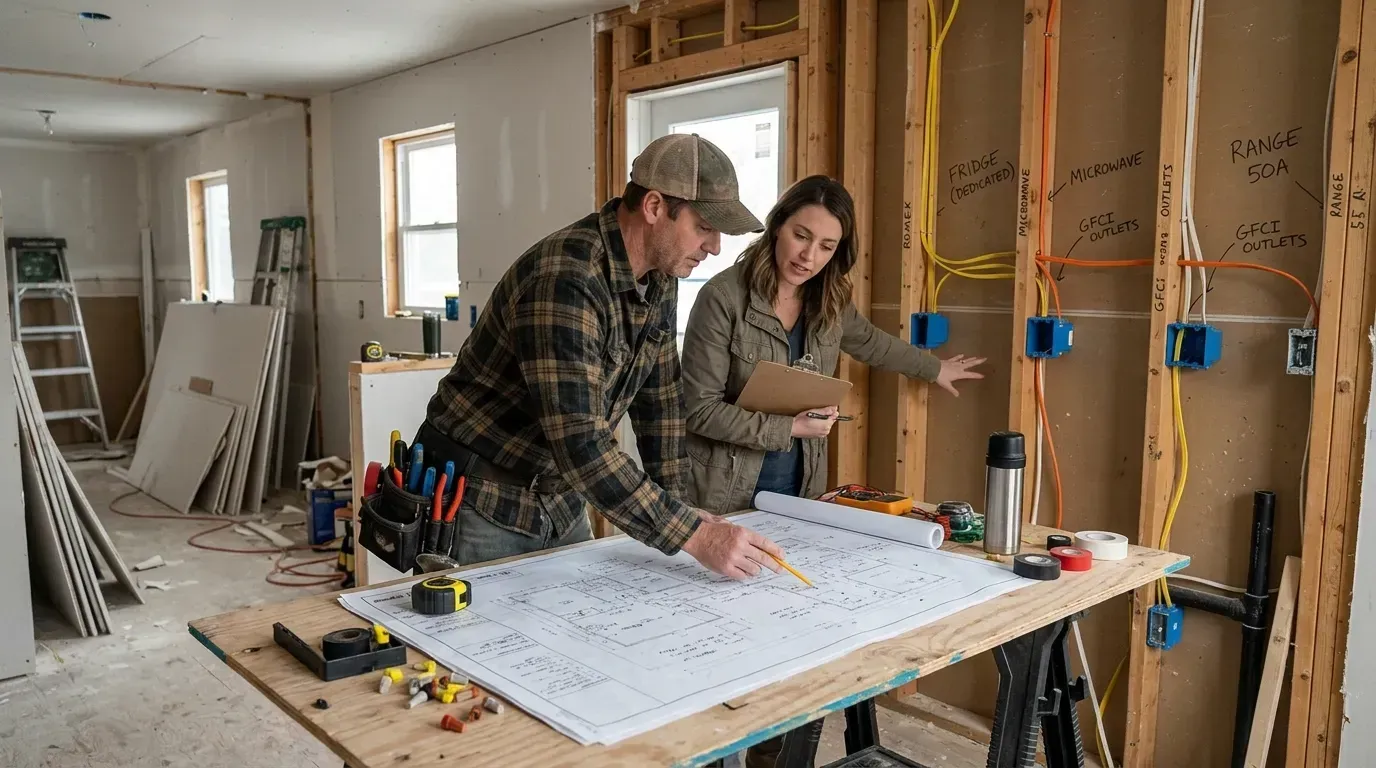
Any time you're adding to your home or undertaking a significant renovation (especially in a kitchen or bathroom), your electrical system is impacted. Adding new outlets, lighting, and appliances increases the load on your circuits. An inspection ensures that the new work was done correctly and that your existing panel and wiring can handle the increased demand without becoming overloaded, which is a primary cause of electrical fires.
4. When Adding a Major New Appliance
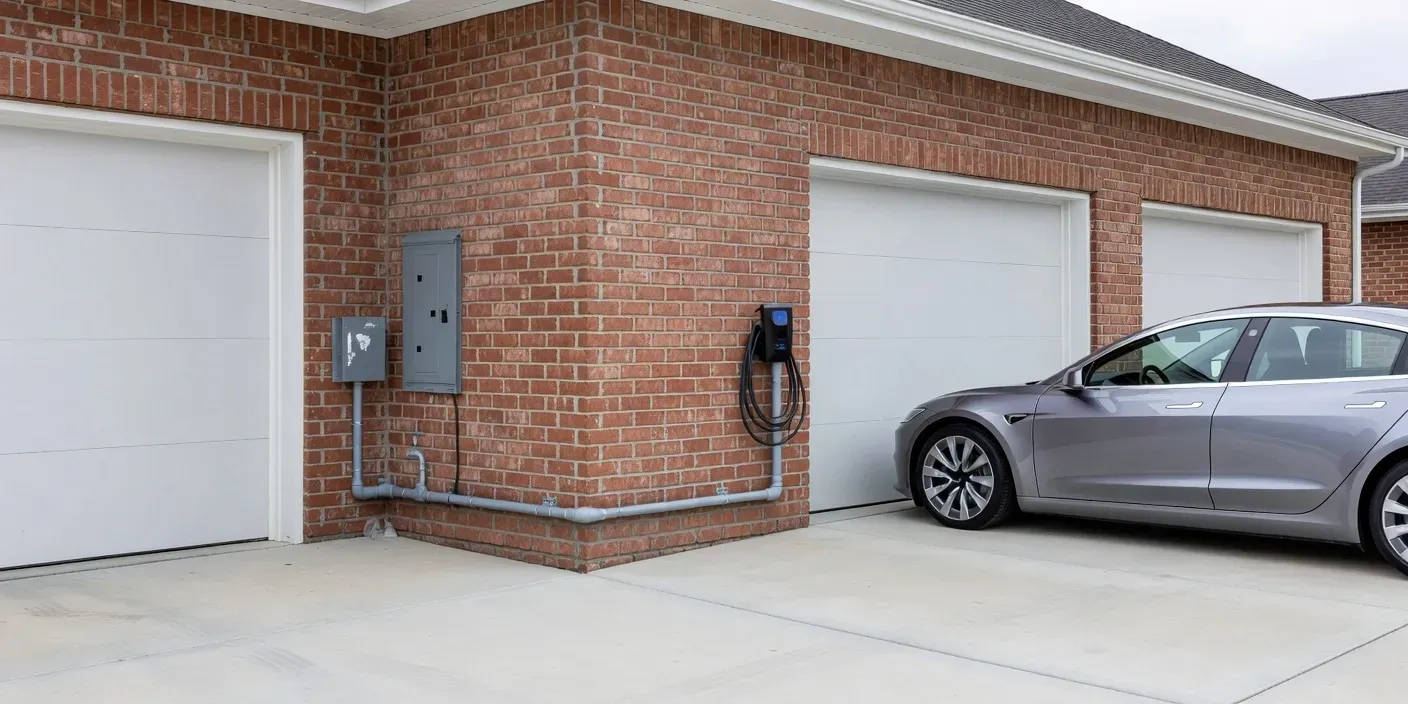
Thinking about installing a hot tub, a central air conditioning unit, an electric vehicle (EV) charger, or a new high-end oven? These power-hungry additions often require their own dedicated circuits. An electrician should perform an inspection to assess your panel's capacity and determine the safest way to integrate the new appliance into your home's electrical grid.
5. If You're Experiencing Persistent Electrical Problems
Your home often sends clear signals when its electrical system is under stress. Don't ignore these warning signs, as they can be symptoms of a deeper, more dangerous issue. Call for an inspection if you notice:
- Frequently Tripping Circuit Breakers: This indicates a circuit is regularly being overloaded or has a short.
- Flickering or Dimming Lights: This can signal a loose connection or an overloaded circuit.
- A Burning Smell or Buzzing Sounds: If you detect a strange odor from an outlet or hear buzzing from your breaker panel, shut off the power to that area if possible and call an electrician immediately.
- Sparks or Shocks: Any outlet or switch that sparks or gives you a mild shock is a serious hazard that needs immediate attention.
- Discolored or Warm Outlets: A sign of a faulty connection and a potential fire risk.
6. Following a Major Natural Event
Severe weather like lightning storms, floods, or high winds can wreak havoc on your home's electrical system, both inside and out. Water damage is particularly dangerous, as it can corrode wires and components, creating long-term hazards. After any significant event, it's wise to have an inspection to check for damage to your service mast, wiring, and grounding system.
The 'How': What to Expect During a Professional Electrical Inspection
Scheduling an inspection is a straightforward process. When you partner with a trusted company like Burleson AT Electric, our goal is to make the experience transparent and informative. Here’s a breakdown of what happens.
Step 1: The Visual Walk-Through
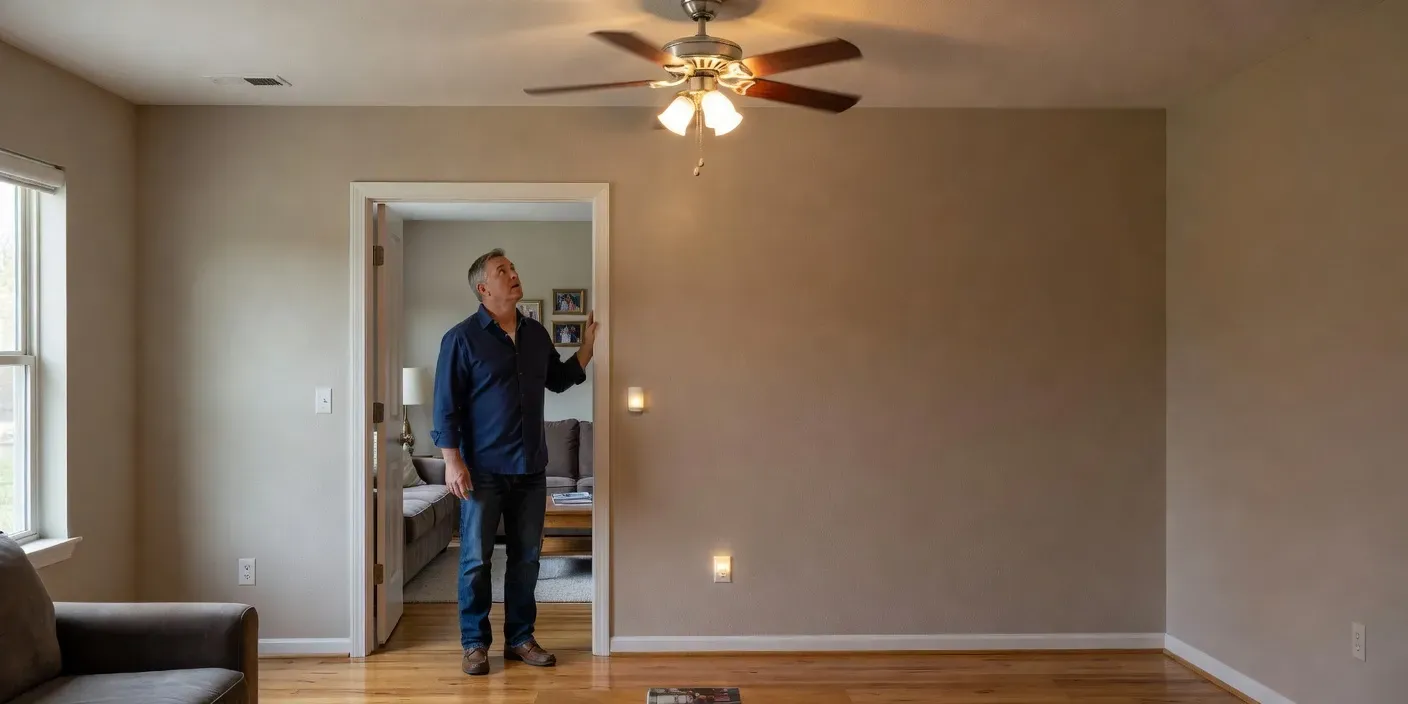
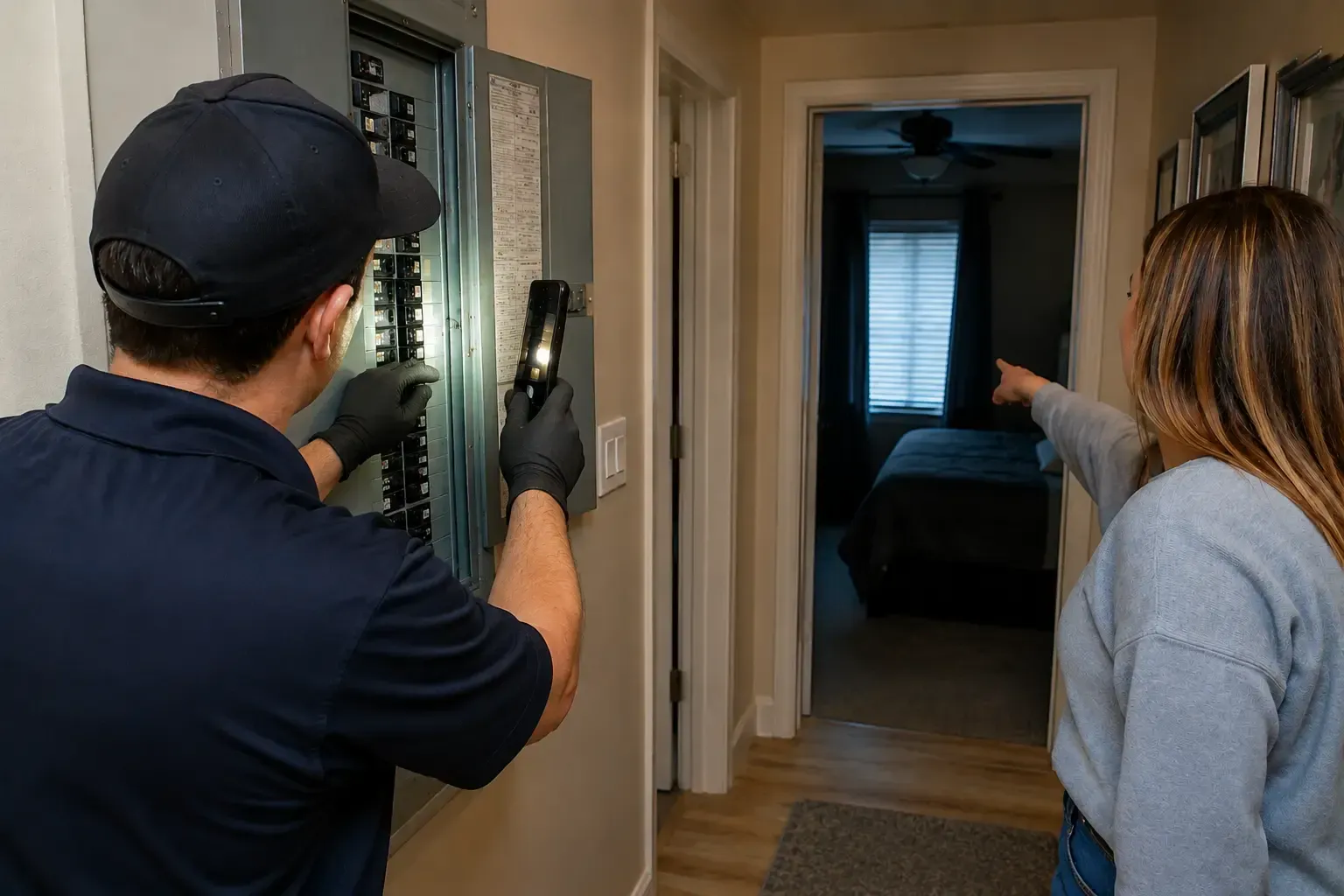
The electrician will begin with a visual survey of your home, noting the location of outlets, switches, and fixtures. They'll ask you about any specific concerns you have and discuss the age of your home and any recent renovations.
Step 2: The Comprehensive Checklist
The core of the inspection involves a detailed, systematic check of your entire system. While the exact process can vary, a thorough inspection will typically cover the following:
| Component | What the Electrician Checks For |
|---|---|
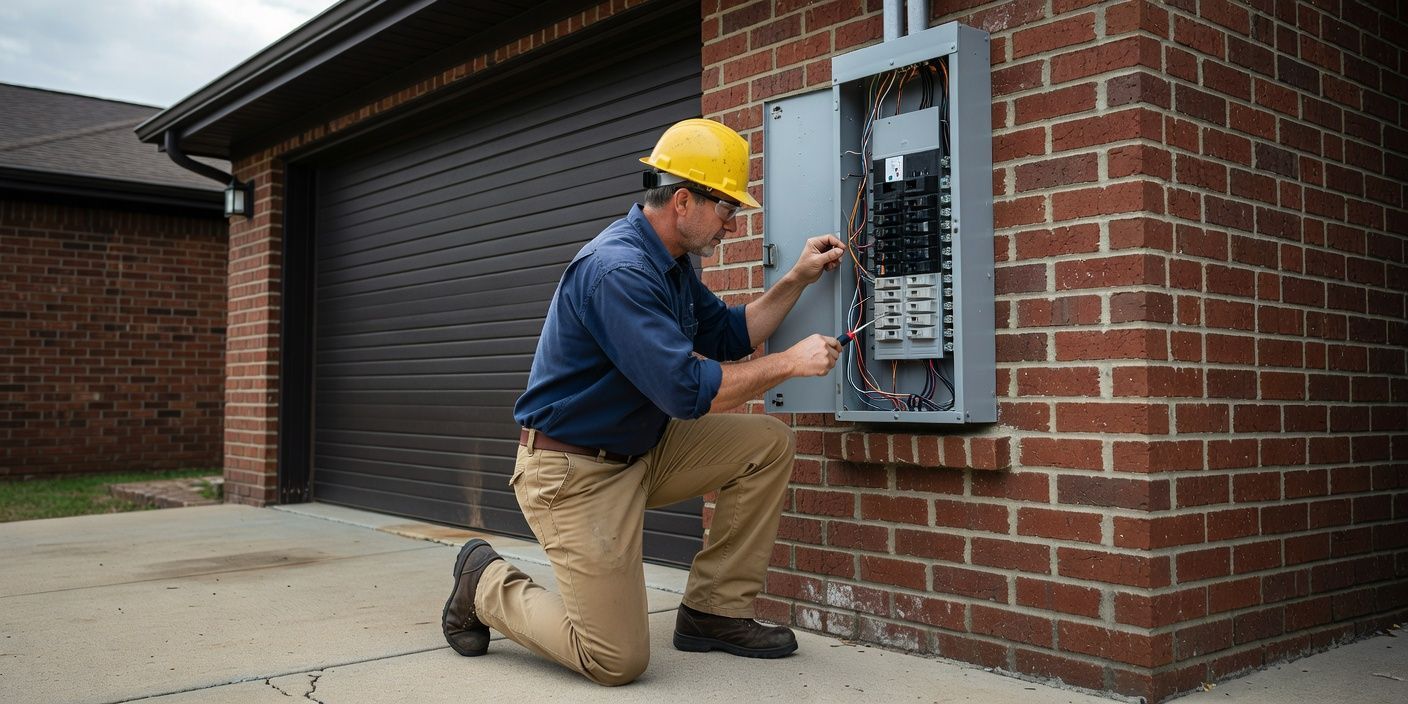
| Main Electrical Panel | Proper breaker sizing, signs of overheating (discoloration, melting), rust or water damage, clear labeling, and proper grounding. |
| Wiring | Type of wiring (copper, aluminum, knob-and-tube), signs of wear and tear, exposed wires, and improper connections in junction boxes. |
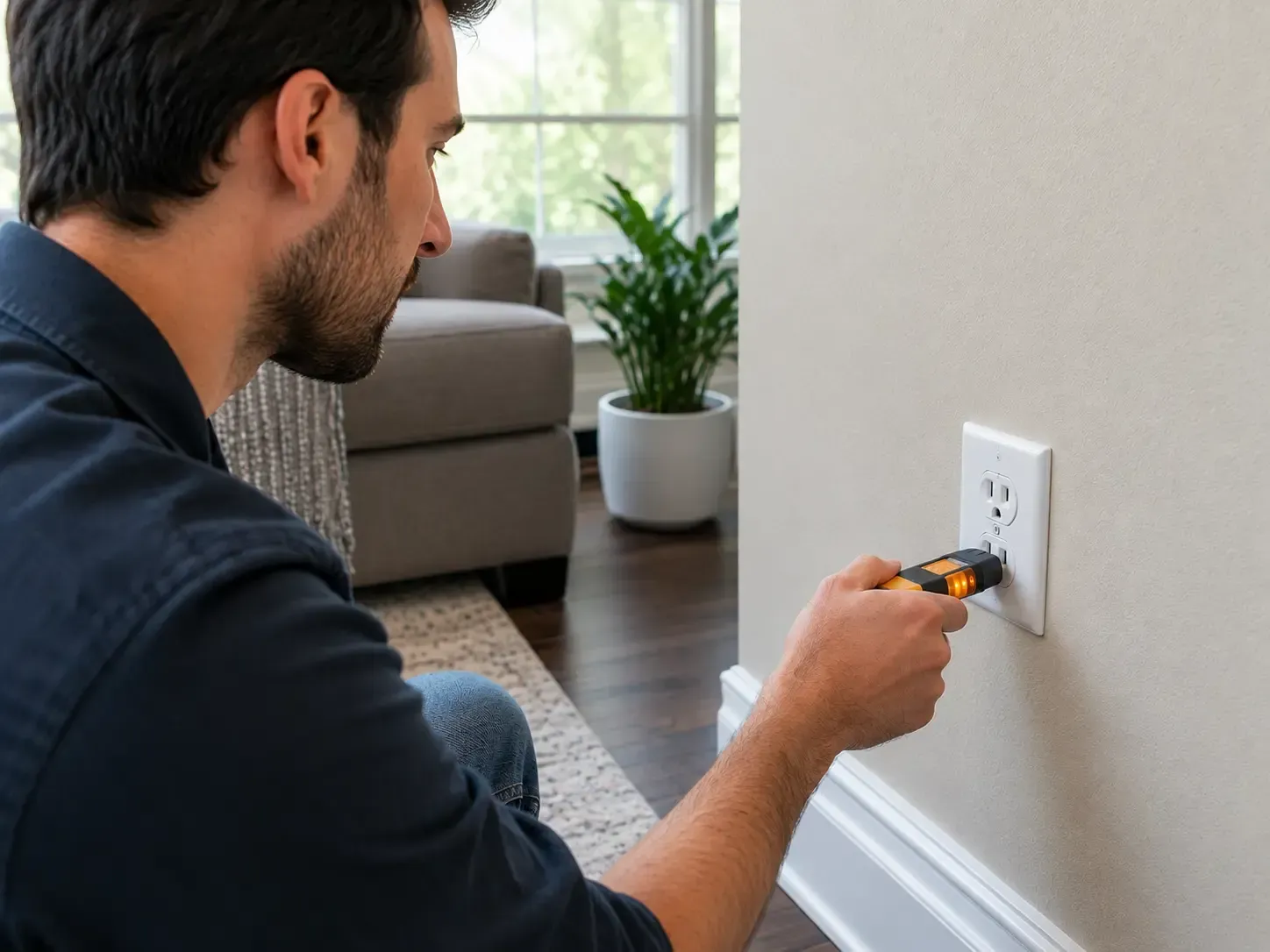
| Outlets & Switches | Testing for proper grounding and polarity, checking for loose connections, and ensuring GFCI/AFCI protection is installed where required (kitchens, bathrooms, outdoors). |
| Lighting Fixtures | Ensuring proper wattage bulbs are used and that fixtures are securely installed and wired correctly. |
| Grounding System | Verifying that the home has a proper grounding path to the earth, which is critical for dissipating dangerous electrical surges. |
| Smoke & CO Detectors | Checking for proper placement, function, and ensuring they are not past their expiration date. |
| Outdoor Electrical Systems | Inspecting outdoor outlets, lighting, and wiring for weather-related damage and proper installation. |
Step 3: The Detailed Report and Consultation
After the physical inspection is complete, the electrician will compile their findings into a detailed report. This isn't just a pass/fail document. A good report will categorize issues by priority:
- Critical Safety Hazards: Issues that need immediate attention to prevent fire or shock.
- Recommended Repairs: Problems that should be addressed to improve safety and functionality.
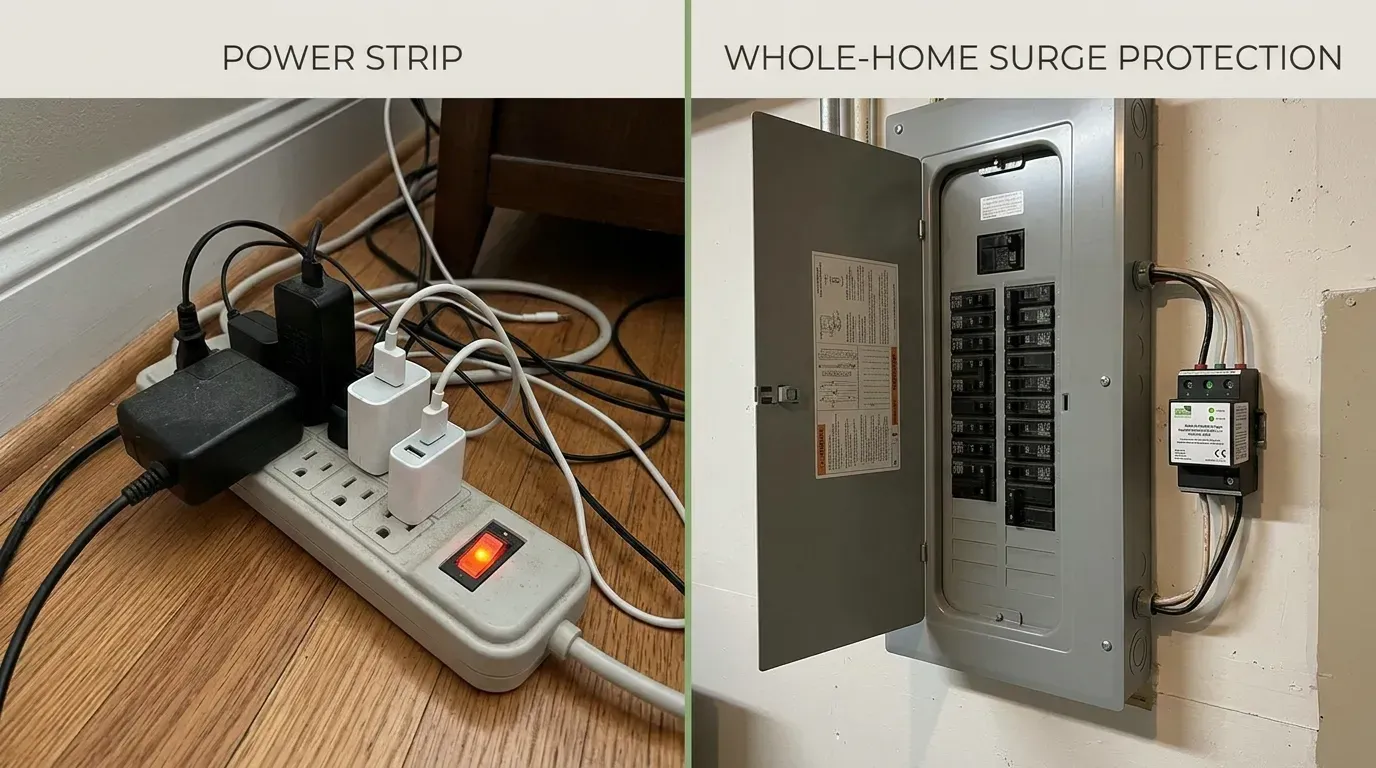
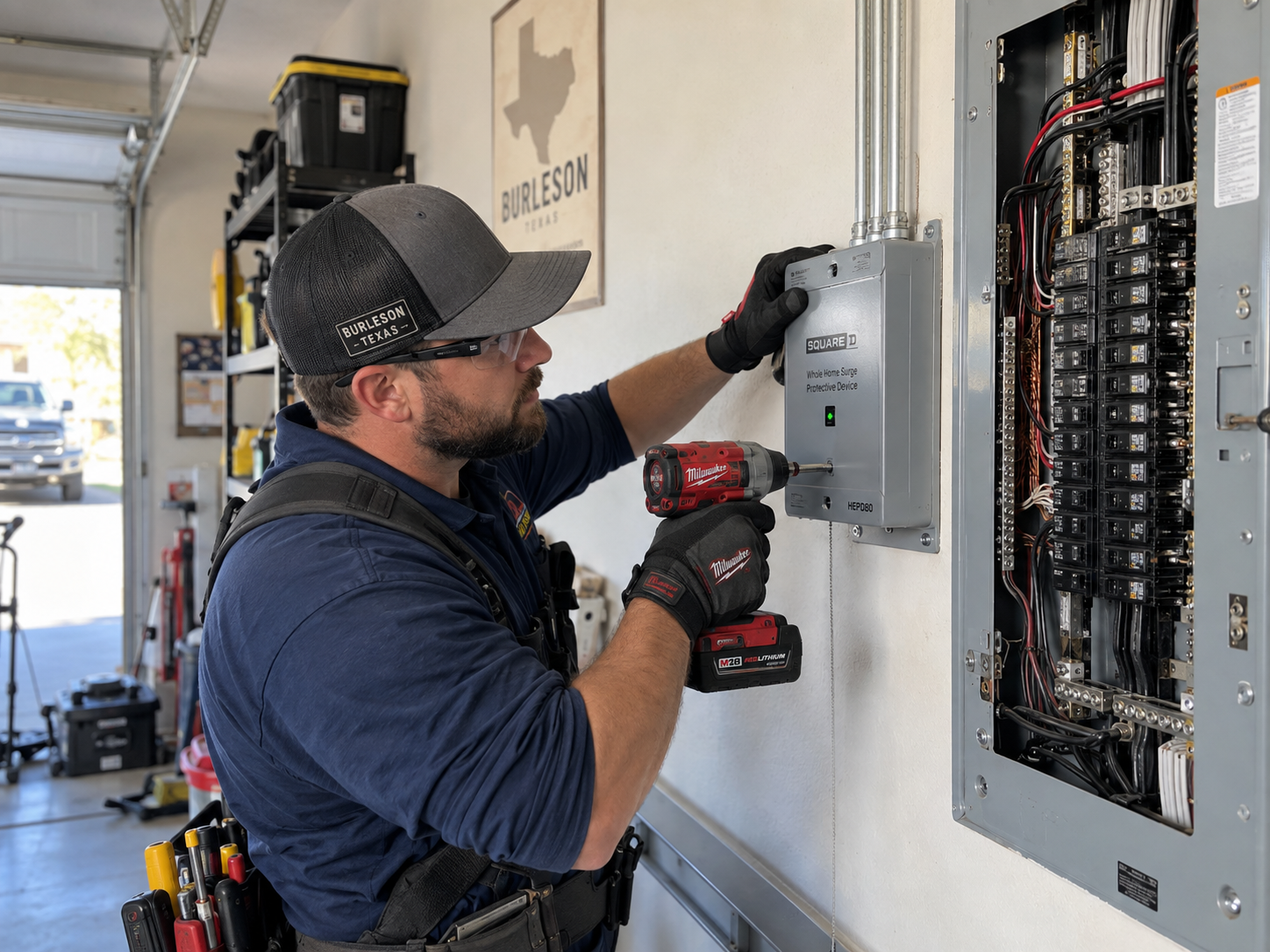
- Potential Upgrades: Suggestions for improving your system's efficiency, capacity, or compliance with modern codes (e.g., adding AFCI breakers or a whole-home surge protector).
The electrician will walk you through this report, explaining each item in clear, understandable language. This is your opportunity to ask questions and understand the health of your system. At Burleson AT Electric, we see this as a consultation, empowering you with the knowledge to make informed decisions about your home. You can explore our range of electrical services to see how we can help address any findings.
Paving the Way for a Smarter Home
An electrical inspection isn't just about finding problems; it's about discovering potential. A healthy, robust electrical system is the foundation for any smart home technology you wish to incorporate. Before you invest in smart lighting, automated thermostats, advanced security systems, or an EV charger, an inspection confirms that your home's 'nervous system' can handle the new technology safely and efficiently. It ensures your investment in a smarter home is built on a solid and secure foundation.
Conclusion: An Investment in Safety and Peace of Mind
Your home is your most significant investment, and the safety of your family is your highest priority. A professional electrical inspection is one of the most important, yet often overlooked, services you can invest in. It moves you from a reactive to a proactive mindset, preventing small issues from becoming catastrophic failures. By understanding the key moments to schedule an inspection and what the process involves, you are taking a powerful step toward ensuring your home is not just a place you live, but a safe, smart, and secure environment for years to come. If you have any questions or are ready to schedule a comprehensive inspection, we encourage you to contact us. Our team of certified professionals is here to help you power your life, safely.
Frequently Asked Questions
How often should I get a routine electrical inspection?
For a home with a modern electrical system and no persistent issues, a professional inspection every 5 to 10 years is a good rule of thumb. However, for homes older than 40 years, or if you've recently completed major renovations, an inspection every 3 to 5 years is recommended for optimal safety.
What's the difference between a home inspection and a dedicated electrical inspection?
A general home inspector typically performs a brief, visual survey of the electrical system, like testing outlets and checking the breaker panel's surface. A dedicated electrical inspection, performed by a licensed electrician, is far more in-depth. The electrician will open up the panel, check connections, assess wiring types, and use specialized tools to diagnose the system's true health and safety, providing a much more comprehensive and reliable assessment.
How long does an electrical inspection take?
The duration depends on the size and age of your home. For an average-sized single-family home, a thorough electrical inspection can take anywhere from 1 to 3 hours. The electrician needs time to be meticulous and check all accessible components of your system.
Will I have to fix everything on the inspection report?
Not necessarily. The report will prioritize findings. Critical safety hazards, such as exposed live wires or an overheating panel, should be addressed immediately. Other items might be recommendations for future upgrades to bring your home up to the latest code or improve efficiency. A good electrician will help you understand the priorities and create a plan that fits your budget and timeline.