Is Your Electrical Panel a Hidden Fire Hazard? What Homeowners Need to Know
That faint buzzing sound coming from your hallway isn't just a minor annoyance. It is a countdown. Most homeowners treat their electrical panel like a "set it and forget it" appliance, tucked away in a dark corner of the garage or a cluttered basement closet. We ignore it. We paint over it. We hang coats in front of it. But that gray metal box is the heart of your home’s safety, and for many people, that heart is skipping beats. If your home was built more than twenty years ago, there is a statistically significant chance that your panel is currently operating outside of its intended safety parameters. This isn't just about a tripped breaker when you run the microwave and the hair dryer at the same time. This is about preventing a catastrophic event that can level a house in minutes. At Burleson AT Electric, we see the aftermath of neglect far too often, and we believe every homeowner deserves to know exactly what is lurking behind that metal door.
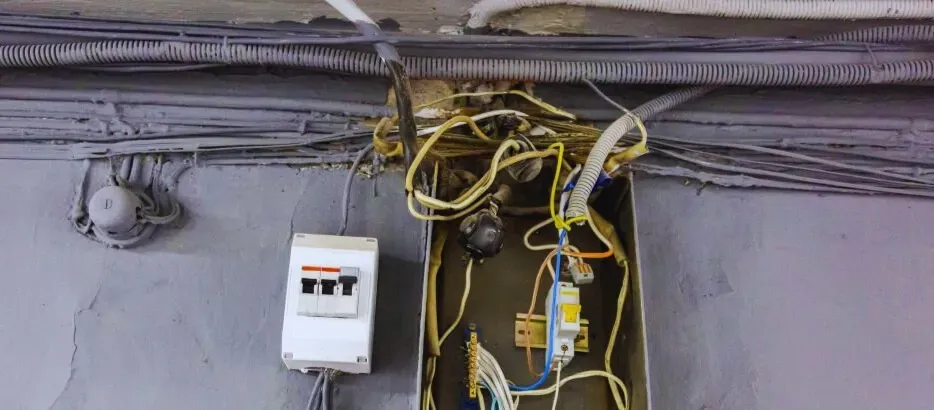
Why Your Electrical Panel is the Most Dangerous Part of Your House
Think of your electrical panel as a traffic cop. Its entire job is to monitor the flow of electricity into your home and stop it the moment things get out of control. When a circuit draws too much power, the breaker should "trip," cutting the connection before the wires get hot enough to melt. It sounds simple. It is supposed to be foolproof. But mechanical devices age. Metals fatigue. Connections loosen. When a breaker fails to trip—a condition known as a "latent failure"—the electricity keeps flowing. The copper wiring inside your walls begins to glow like the element in a toaster. It bakes the insulation. It turns dry wooden studs into kindling. By the time you smell smoke, the fire is already inside the walls where you can’t reach it with a fire extinguisher. This is why having a reliable local Electrician inspect your system isn't a luxury; it’s a necessity for survival.
The danger is often invisible. You might see a flicker in your recessed lighting or hear a tiny "pop" when the AC kicks on, but most of the time, the damage is silent. Corrosion is a primary culprit. In many regions, humidity and temperature fluctuations cause condensation inside the panel box. This leads to oxidation on the bus bars—the heavy metal rails that the breakers snap onto. Once oxidation sets in, resistance increases. In the world of physics, resistance equals heat. You now have a localized oven sitting inside your wall, slowly charring the very components meant to protect you. This is why we encourage everyone to visit Our Homepage to understand the full scope of residential safety. We don't just fix lights; we secure foundations.
Dead Brands: The Hall of Shame for Electrical Panels
Not all electrical panels were created equal. During the housing booms of the 1970s and 80s, several brands became industry standards despite having fundamental design flaws that wouldn't be discovered until years later. If you open your panel door and see the name Federal Pacific Electric (FPE) or Zinsco, you are living with a ticking time bomb. The FPE Stab-Lok breakers are notorious in the industry. Independent testing has shown that these breakers fail to trip up to 60% of the time when they encounter an overload. They essentially "lock" into the on position, allowing unlimited current to surge through your home's veins. Zinsco panels, on the other hand, have a design flaw where the breakers can actually fuse to the bus bar. You might think you've turned the power off, but the connection remains live because the metal has literally melted together.
If you have one of these brands, there is no "repair" option. You cannot simply swap out a breaker. The entire architecture is compromised. Replacing these relics is one of the most common Electrical Services we provide. It is a non-negotiable upgrade. Insurance companies have caught on to this as well. Many providers will now outright refuse to insure a home or will drastically increase premiums if they discover an FPE or Zinsco panel on the premises. They know the math. The risk of a total loss fire is simply too high. You can learn more about the history of these hazardous systems on our About Us page, where we detail our decades of experience identifying and neutralizing these specific household threats.
Identifying Warning Signs Before the Smoke Starts
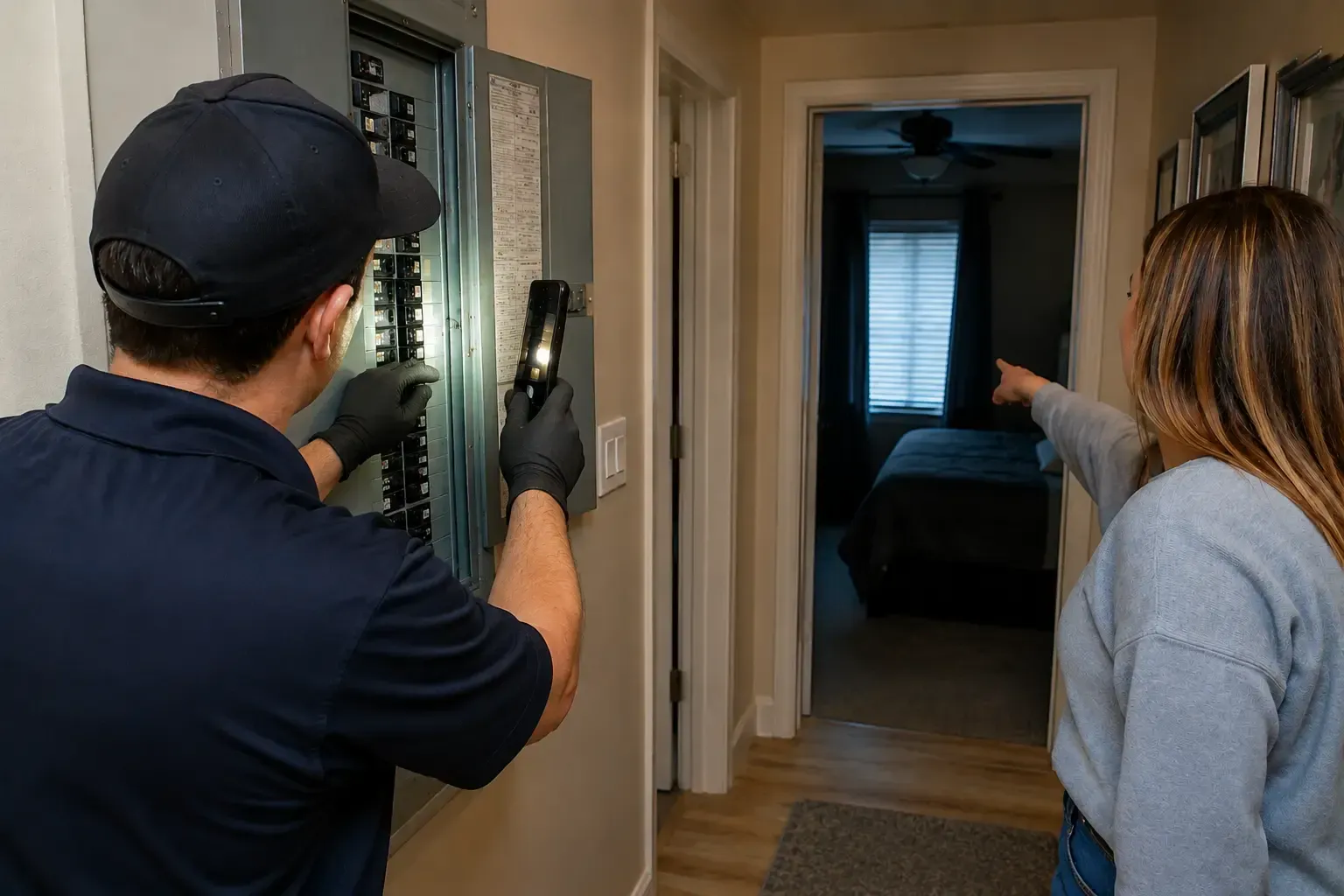
You don't need an engineering degree to spot the red flags. You just need to pay attention. One of the most common signs of a struggling panel is "nuisance tripping." If you find yourself walking to the garage once a week to flip a switch back on, your panel is trying to tell you something. It might be that the circuit is overloaded, or it might be that the breaker itself has become "weak" and can no longer handle its rated load. Another major red flag is any sign of discoloration. Look at the plastic casing around the breakers. Does it look scorched? Is there a brownish or yellowish tint to the metal? If so, you have excessive heat buildup. Stop reading and call a professional immediately. Heat is the precursor to ignition.
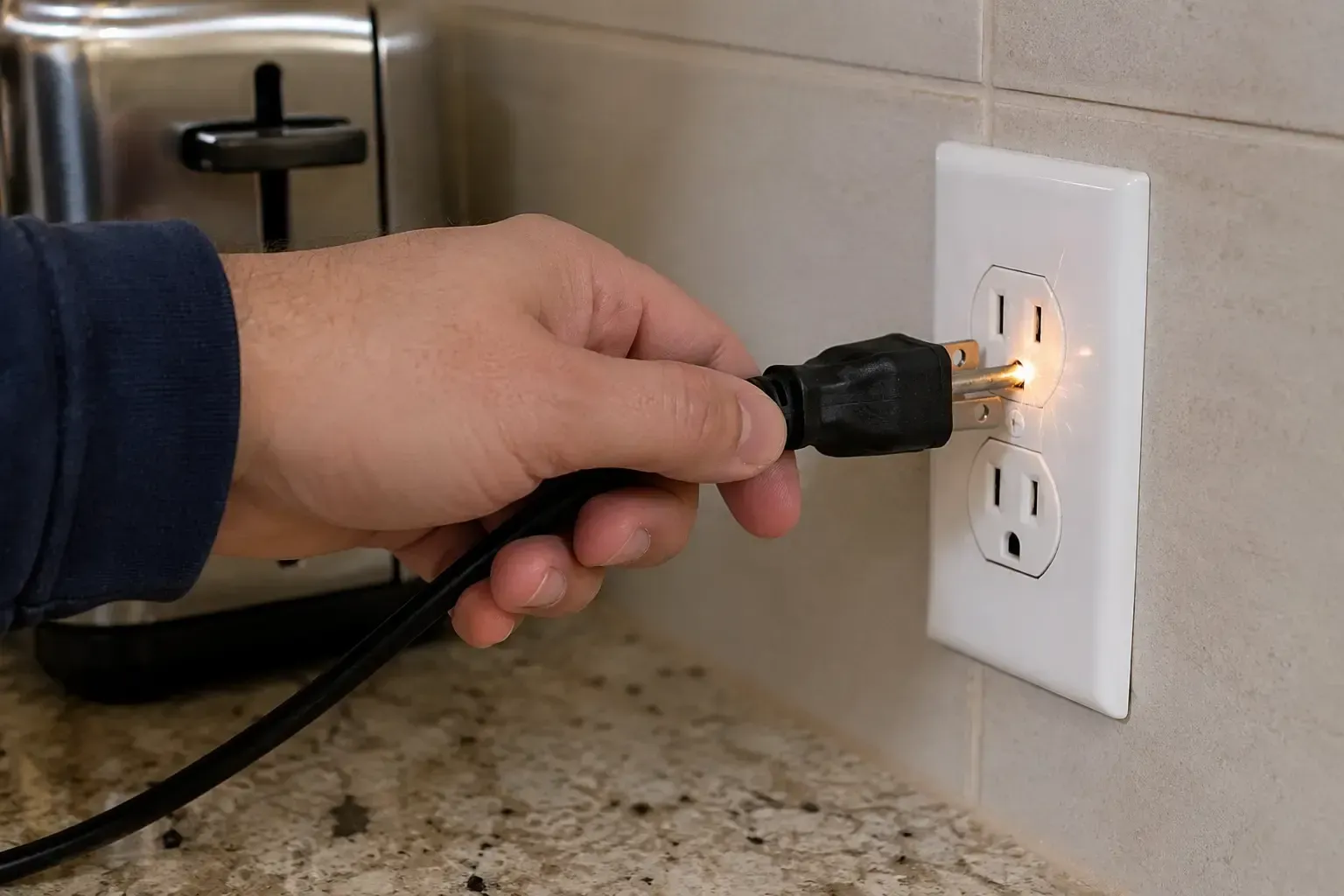
Listen to your house. A healthy electrical panel should be silent. If you hear a hum, a hiss, or a crackling sound (often called "arcing"), you have electricity literally jumping through the air because of a loose connection or a failing component. This creates intense heat—hotter than the surface of the sun in some microscopic instances. It can vaporize metal and start a fire in a heartbeat. Furthermore, if your lights dim every time the refrigerator compressor turns on, your panel is struggling to manage the "inrush current." This is a sign that your home’s electrical demands have outpaced the panel’s capacity. To see a full list of what to look for, check out Our Main Services section where we break down diagnostic protocols.
The Physics of Arcing and Why DIY is a Death Wish
I have seen many "handy" homeowners try to tighten a lug or swap a breaker themselves. This is a massive mistake. The main lugs in your panel—the two big wires coming in from the street—are always live. They do not have a fuse. They do not have a breaker. If you drop a screwdriver and it touches one of those lugs and the grounded metal box at the same time, you won't just get a spark. You will trigger an arc flash. An arc flash is an explosion of light and heat that can reach 35,000 degrees Fahrenheit. It can melt the tools in your hand, blast the copper into a lethal vapor, and cause permanent blindness or death. This isn't a "weekend project" you learn from a video. It requires specialized PPE (Personal Protective Equipment) and a deep understanding of load balancing.
When a professional local Electrician performs a panel upgrade, they aren't just swapping boxes. They are calculating the "load center" of your home. They are ensuring that the grounding system—the literal path to the earth that protects you from lightning and surges—is up to modern code. Most older homes have grounding systems that rely on old copper water pipes. If a plumber has since replaced a section of that pipe with PEX (plastic), your home may no longer be grounded at all. We find this in about four out of every ten inspections. It’s a terrifying realization for a homeowner to find out their safety net was cut years ago. If you are worried about your home's grounding, Contact Us for a comprehensive safety audit.
The Modern Home’s Insatiable Appetite for Power
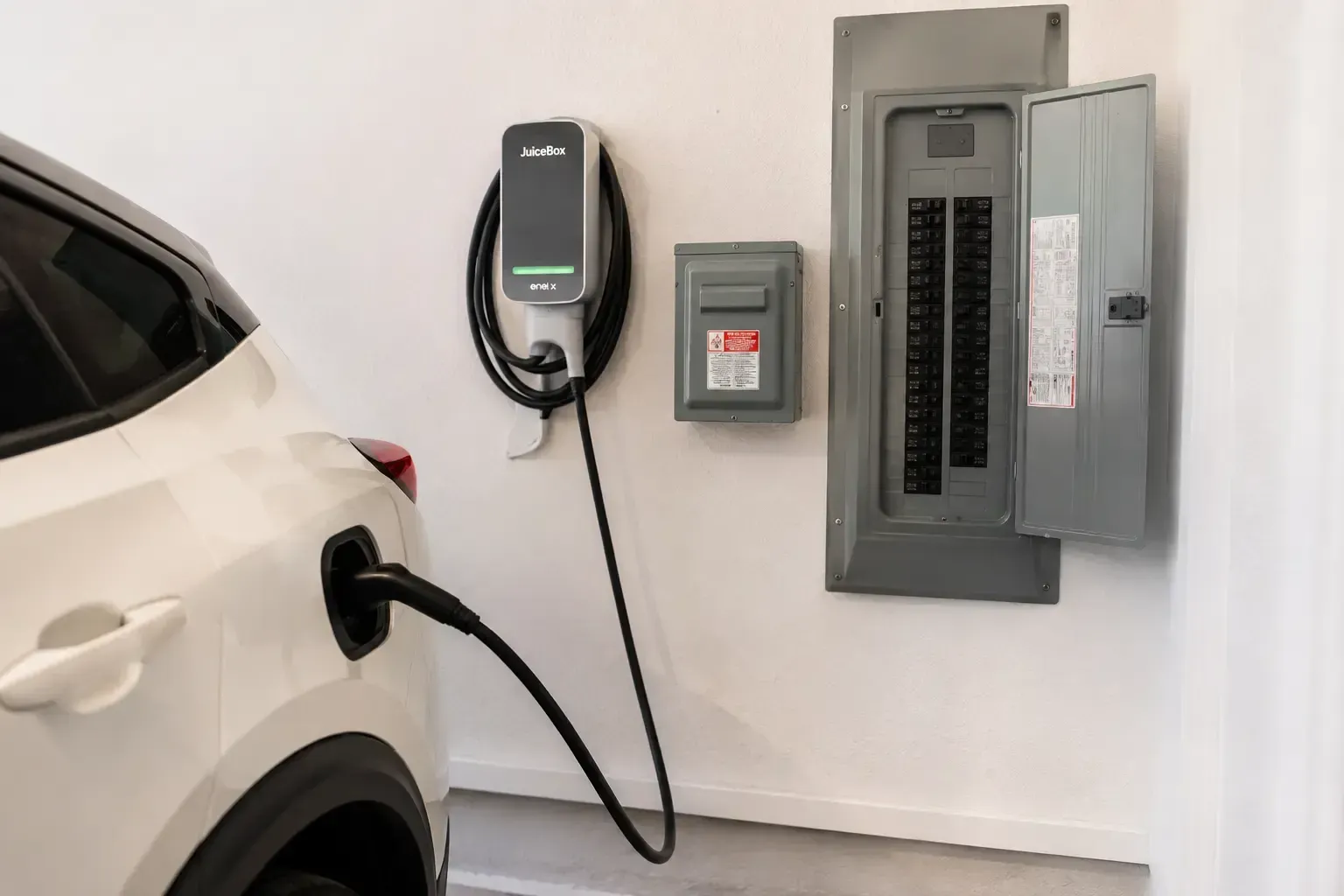
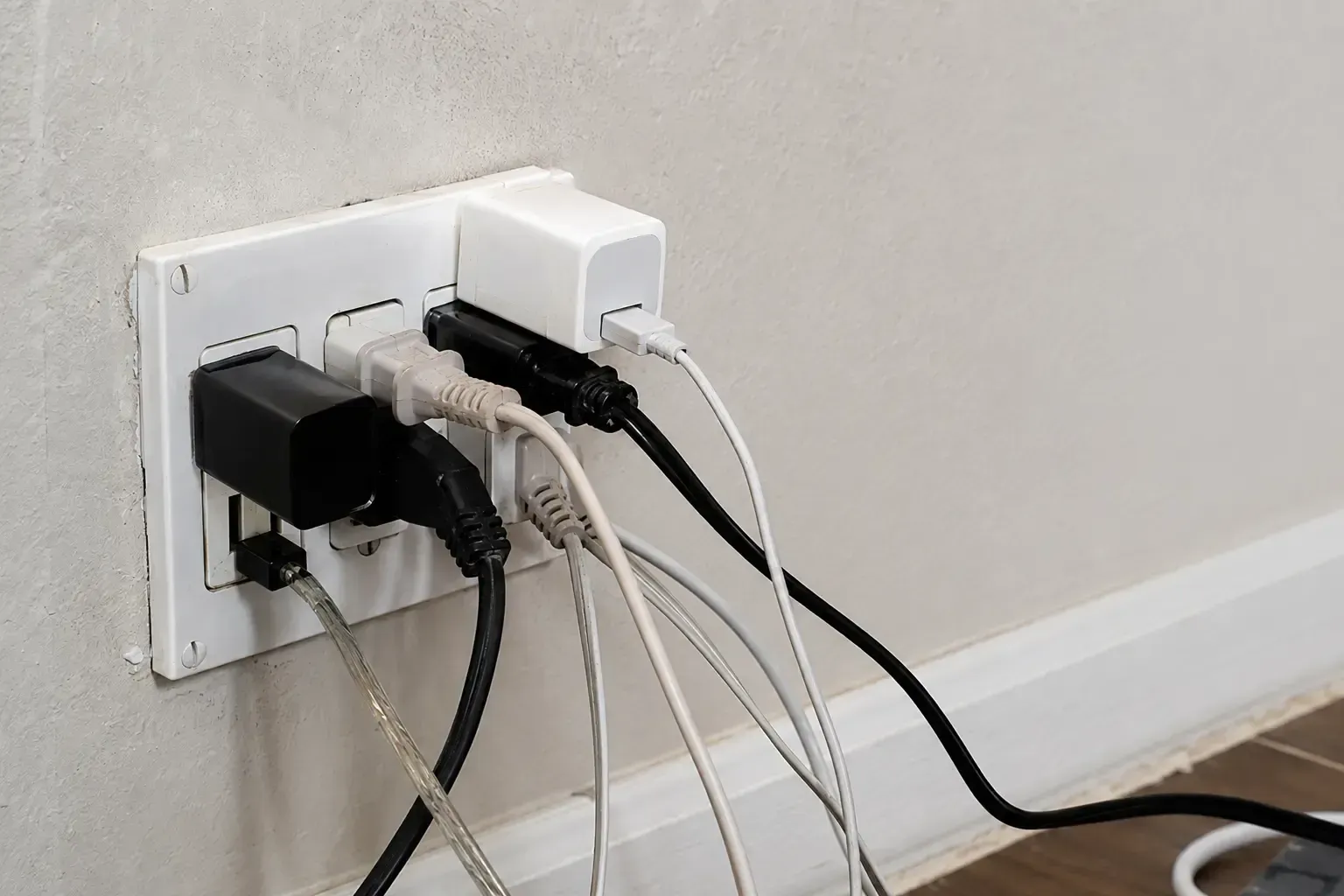
The average home today uses significantly more power than a home built in 1990. Think about your daily life. You have high-efficiency HVAC systems, electric vehicle chargers, high-end kitchen appliances, home servers, and perhaps even a heated pool or hot tub. A standard 100-amp panel, which was the gold standard for decades, is now the bare minimum. We are increasingly moving toward 200-amp or even 400-amp services to accommodate the "electrification of everything." If you are plugging an EV into a 40-year-old panel, you are asking for trouble. That charger will pull a continuous, heavy load for hours at a time. This "continuous load" is the ultimate stress test for an electrical system. It will find the weakest link. If that link is a loose connection in an old panel, it will fail.
Upgrading your Electrical Services is an investment in the longevity of your appliances as well. "Dirty" power—power with voltage fluctuations—is a silent killer for modern electronics. Your $3,000 smart refrigerator and your $1,500 OLED TV rely on a steady, clean flow of electricity. An old, corroded panel creates "noise" and voltage drops that wear out the delicate capacitors in your gadgets. By upgrading your panel, you aren't just preventing a fire; you are extending the life of every electronic device you own. It is a proactive move that pays for itself in avoided repairs and peace of mind. Our team at Burleson AT Electric specializes in these heavy-up upgrades, ensuring your home is ready for the technology of tomorrow, not just the basics of yesterday.
The Hidden Costs of Neglect
Let's talk about the "if it ain't broke, don't fix it" mentality. In many areas of home maintenance, that’s a fine rule. If your kitchen cabinets are ugly but functional, keep them. But electricity doesn't work that way. An electrical system that "works" but is outdated is simply a system that hasn't failed *yet*. The cost of a panel upgrade is a fraction of the cost of a fire deductible, let alone the loss of irreplaceable family photos or, god forbid, a life. Furthermore, when you go to sell your home, a savvy home inspector is going to flag an outdated or dangerous panel immediately. It will become a major sticking point in negotiations, often costing you more in "seller credits" than if you had just handled it proactively.
Real estate value is directly tied to the "bones" of a house. A new, 200-amp Square D or Eaton panel with arc-fault circuit interrupters (AFCIs) is a major selling point. AFCIs are a newer technology that can actually detect the "signature" of a dangerous arc and shut off the power before a fire even starts. This is far more advanced than a standard breaker that only looks for a simple overload. Modern codes now require these in most living areas. If your panel doesn't have them, you are missing out on the single greatest advancement in fire prevention of the last thirty years. We take pride in bringing homes into the modern era, and you can see our commitment to this mission on our About Us page.
What Happens During a Professional Panel Upgrade?
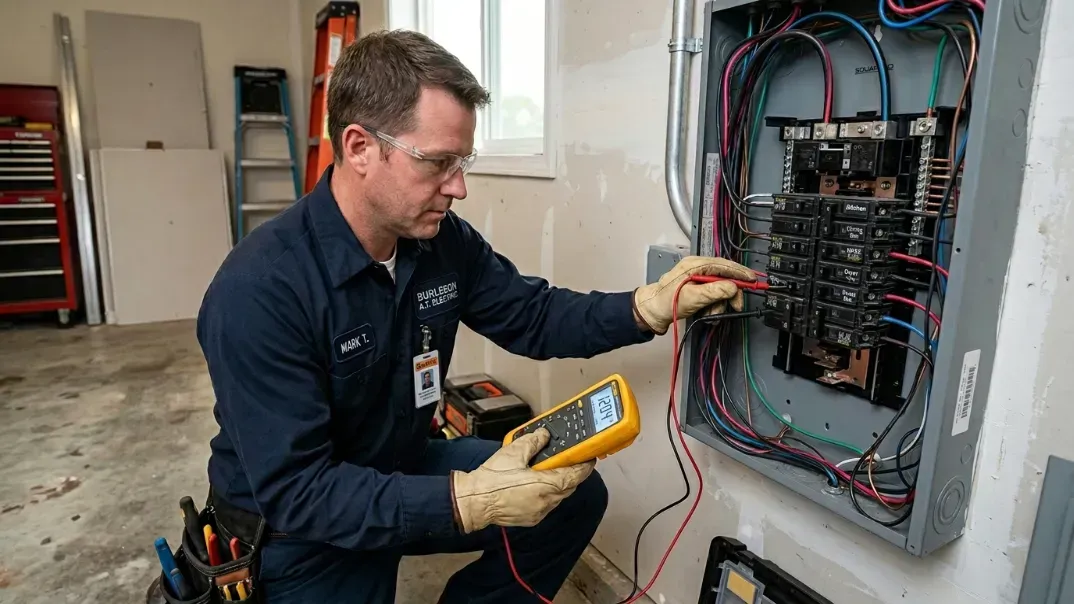
Many homeowners hesitate to call because they fear their power will be out for days. This is a myth. A professional local Electrician can typically complete a standard panel swap in a single day. The process begins with a "disconnect" coordinated with the local utility company. We then remove the old, hazardous guts of your system and install a new, industrial-grade cabinet. We re-terminate every wire, ensuring that every connection is torqued to the manufacturer’s exact specifications. This is crucial—too loose and it arcs; too tight and you crush the wire. We use torque screwdrivers to ensure precision that "hand-tightening" simply cannot match.
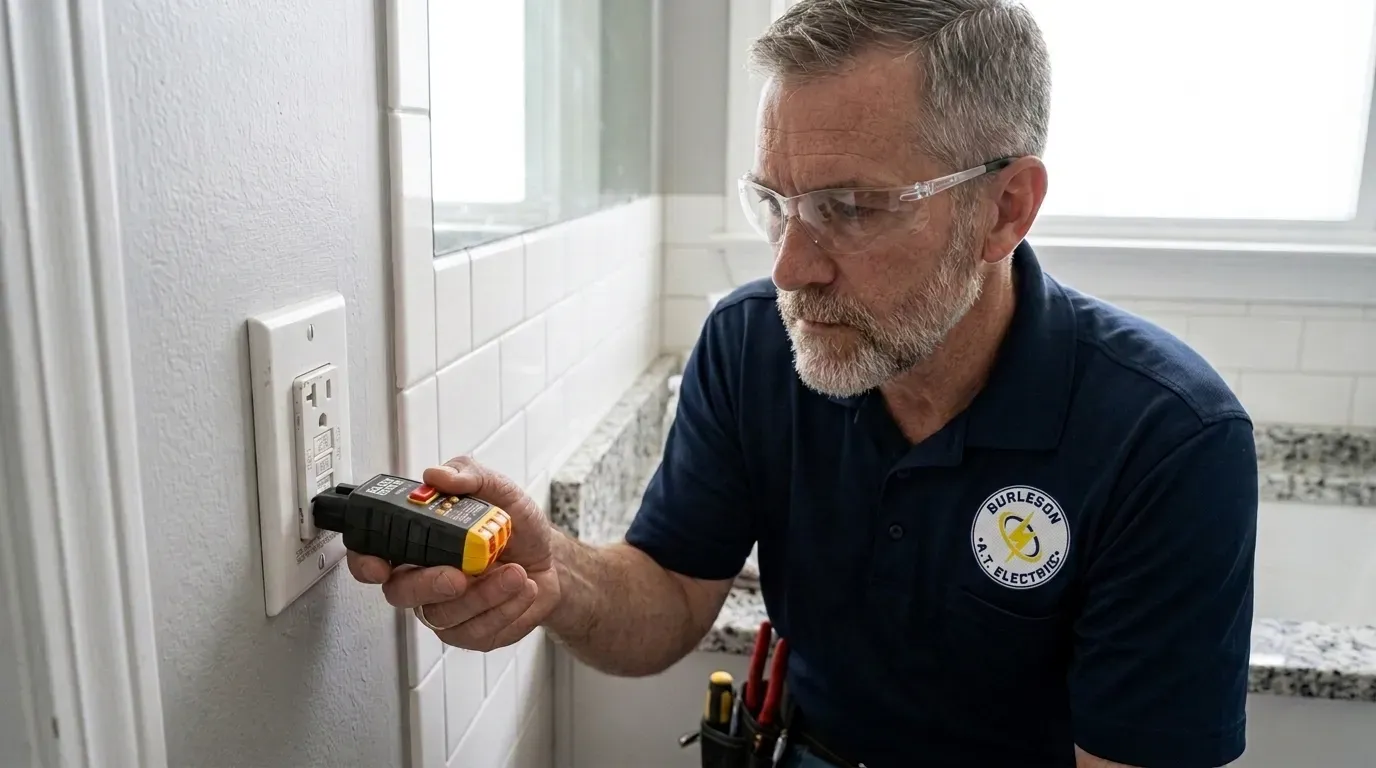
Once the new panel is in, we verify the grounding and bonding. We then systematically test every circuit in the house to ensure there are no pre-existing faults that the old, "dumb" breakers were ignoring. When we leave, you don't just have a new box on the wall; you have a certified, safe system that meets or exceeds current National Electrical Code (NEC) requirements. The peace of mind that comes with knowing your family is sleeping under a safe roof is worth every penny. If you’re ready to stop worrying about that hum in the wall, Contact Us to schedule a consultation. We’ll give you a straight-up assessment without the "scare tactics"—the facts of an old panel are scary enough on their own.
Conclusion: Take the First Step Toward Safety
Your home is your sanctuary, but it is also a complex machine. Like any machine, it requires maintenance and occasional overhauls. The electrical panel is the brain of that machine. Don't let an outdated, recalled, or corroded panel jeopardize everything you've worked for. Look for the signs: the heat, the smells, the flickers, and the brand names. If any of it seems off, it probably is. Trust your gut. Electricity is a powerful servant but a terrible master. At Burleson AT Electric, we are dedicated to ensuring that your power stays where it belongs—inside the wires, not turning into fire. Whether you need a simple inspection or a full-scale upgrade of your Electrical Services, we are here to help. Check out Our Main Services and let’s make your home the safest it can be. You’ll sleep better. We’ll make sure of it.
Frequently Asked Questions
How can I tell if my electrical panel is a fire hazard?
Look for physical signs like burn marks, a hot-to-the-touch panel cover, or a burning plastic smell. Frequent breaker trips, flickering lights when appliances start, and crackling sounds are also major red flags. If your panel is branded Federal Pacific or Zinsco, it is a documented fire hazard and should be replaced immediately.
Is it worth upgrading from 100 amps to 200 amps?
Yes. Modern homes with multiple computers, large TVs, EV chargers, and high-efficiency HVAC units often exceed 100-amp capacity. A 200-amp upgrade provides more "headroom," reducing the strain on your system, preventing frequent trips, and increasing your home's resale value while preparing it for future technological needs.
How long does a typical electrical panel replacement take?
A professional local Electrician can usually complete a residential panel replacement in 8 to 12 hours. While the power must be turned off during this time, most projects are finished in a single day, minimizing disruption to your household while ensuring the entire system is brought up to modern safety codes.
Can I just replace a faulty breaker instead of the whole panel?
If the panel is modern and in good condition, a single faulty breaker can be replaced. However, if the panel is obsolete, corroded, or has a damaged bus bar, replacing a breaker is only a temporary fix. In cases like Zinsco or FPE panels, the entire unit must be replaced to ensure safety.
What is the average cost of an electrical panel upgrade?
The cost varies based on the amperage, the complexity of the wiring, and local permit fees. Generally, a professional upgrade ranges from $2,500 to $5,000. While it is an investment, it significantly reduces fire risk, lowers insurance premiums in some cases, and protects expensive modern electronics from "dirty" power and surges.