Stop the Sway: 5 Dangerous DIY Ceiling Fan Installation Mistakes That Risk Your Home
John Constantine • March 1, 2026
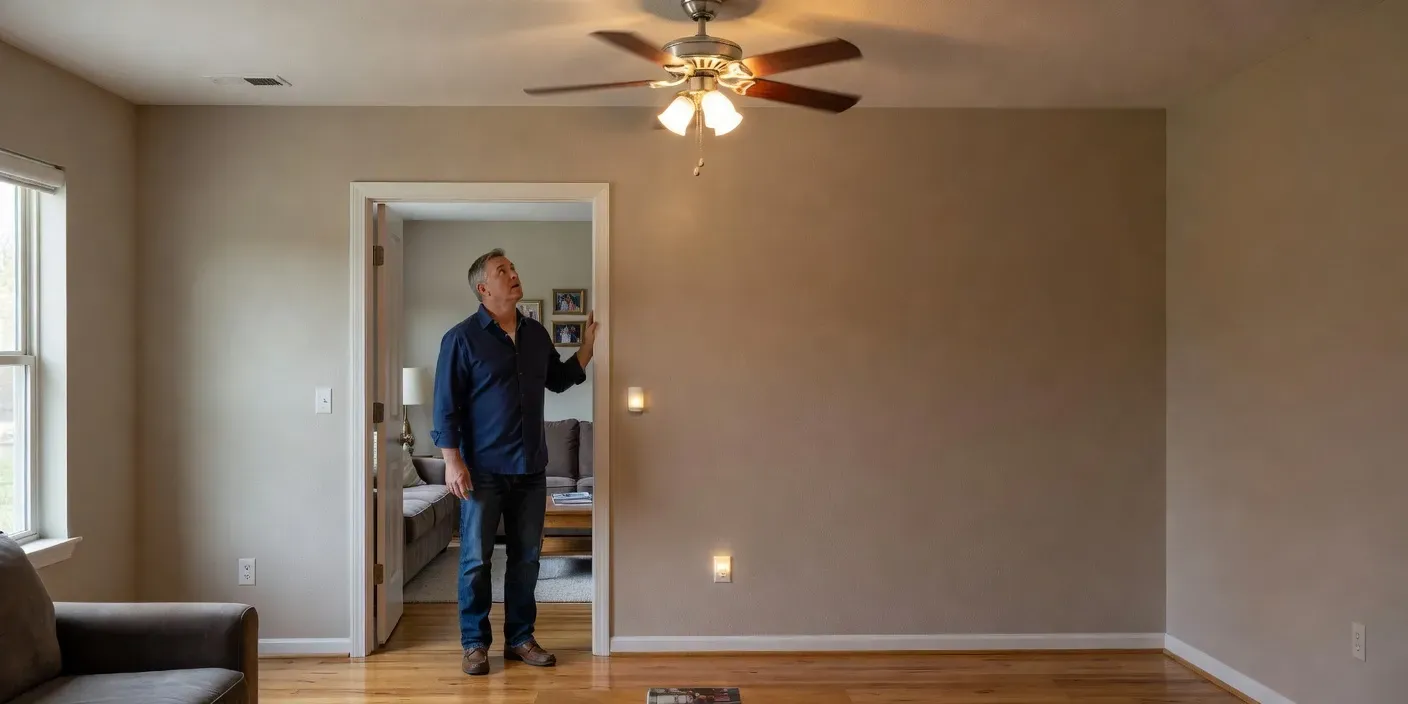
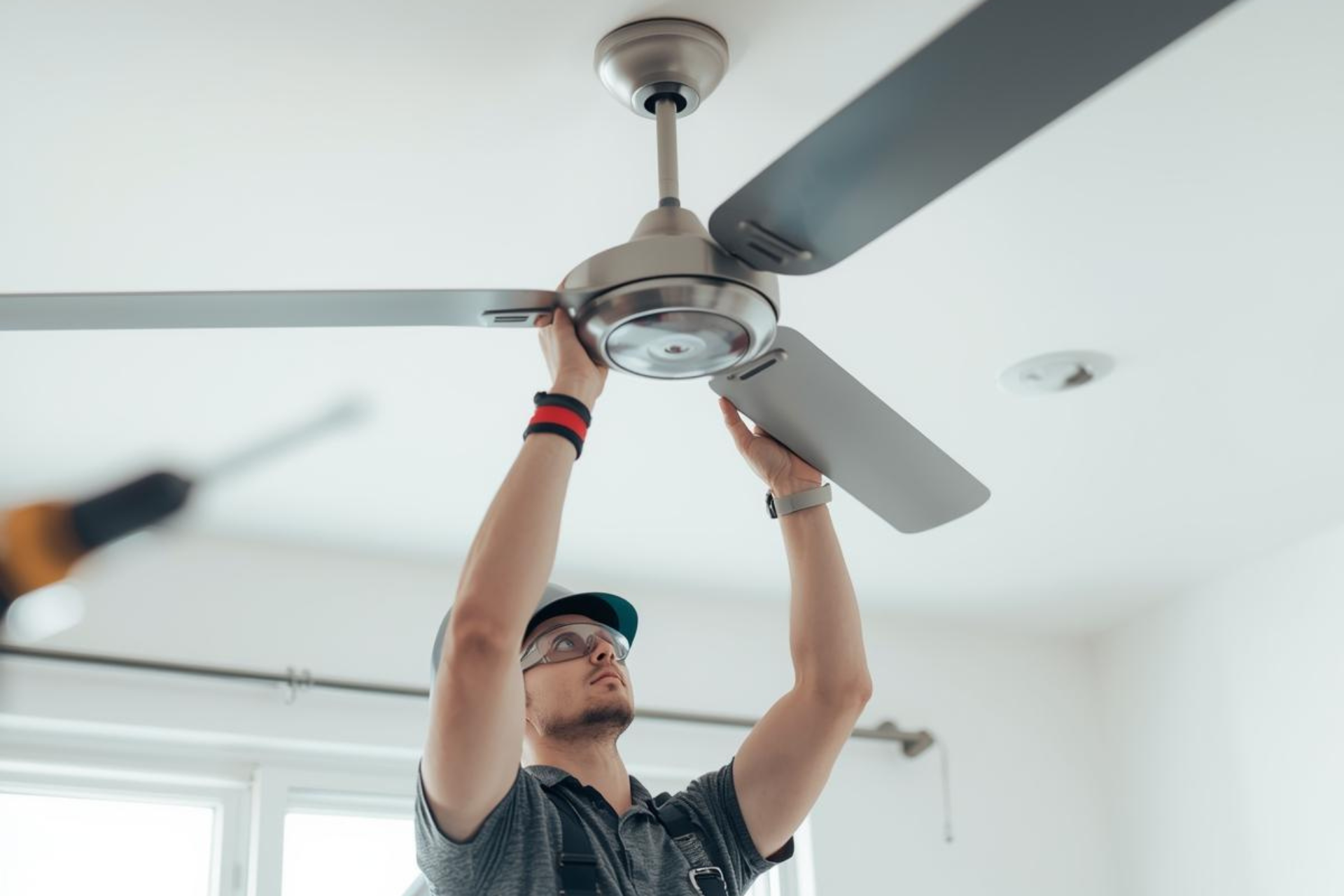
You’re standing on a shaky ladder, sweat stinging your eyes, balancing a thirty-pound motor over your head. You think you’ve got this. After all, it’s just a few wires and some screws, right? Wrong. In Burleson, we see it all the time: homeowners who treat a ceiling fan like a glorified light fixture. But a fan is a different beast. It’s a rotating piece of heavy machinery suspended by a thread. One wrong move doesn’t just mean a wobbly blade; it means a potential house fire or a mechanical collapse that could land someone in the ER.

According to data from the Consumer Product Safety Commission (CPSC), thousands of injuries occur every year due to improperly mounted or failing fans. Many of these trace back to well-intentioned DIYers who skipped a step to save sixty minutes. If you are about to start a fan installation, put the screwdriver down and read this. Your safety—and your ceiling—depends on it.

1. The "Any Box Will Do" Fallacy


This is the most frequent and most lethal mistake. Most light fixtures in your home are supported by a standard plastic or thin metal electrical box. These boxes are rated for static weight—meaning something that just hangs there. A ceiling fan is dynamic. It creates torque. It vibrates. It pulls against its mounting points with every single rotation.


The National Electrical Code (NEC), specifically section 314.27, is very clear: you must use a UL-listed, fan-rated box. A standard light box will eventually crack or pull away from the joist under the constant stress of a spinning motor. If you don't see "Rated for Fan Support" stamped inside the metal, you are looking at a disaster waiting to happen. Professional electricians won't even touch a job if the box isn't up to code because they know that fan will eventually end up on the floor.


2. Loose Wire Nuts and the Threat of Arcing


Electrical fires don't always start with a massive "bang." They often start with a sizzle. When you're stuffing wires into a cramped ceiling box, it's easy to loosen a connection. If a wire nut isn't tight, or if the copper isn't twisted properly, you create a gap. Electricity doesn't like gaps. It will "arc" or jump across that space to complete the circuit.


This arcing generates intense heat. Over time, it melts the plastic insulation on the wires. Once that copper is exposed, it can ignite dust, insulation, or the wooden joists nearby. In the humid burleson climate, moisture can actually accelerate corrosion in these loose joints, making a bad situation even more volatile. If you hear a faint crackling or smell something like burnt ozone when your fan is on, turn it off immediately. You have an active fire hazard in your ceiling.


3. Ignoring the Grounding Wire


Many older homes in Texas lack a dedicated grounding wire in the ceiling box. DIYers often see that green or bare copper wire on the fan and just tuck it away, thinking it's optional. It isn't. The ground wire is your safety net. It provides a path for electricity to travel safely to the breaker panel if there’s a short circuit.


Without a proper ground, a short in the fan motor could energize the metal housing of the fan itself. This means the next time you pull the chain or touch the downrod to clean it, you become the path to the ground. That’s a recipe for a severe electrical shock. If your ceiling box doesn't have a ground wire, this is no longer a DIY project. You need professional electricians to pull a new circuit or determine a safe alternative to protect your family.


4. Mismatching Wire Gauges and Circuit Loads


Not all wire is created equal. A common mistake in DIY fan installation is using the wrong gauge of wire for the circuit or overloading a circuit that is already at its limit. Most residential lighting circuits are 15 amps, using 14-gauge wire. If you’re adding a massive high-output fan or multiple units to a single room, you might be pushing that circuit to its breaking point.


Worse, some people try to "daisy chain" fans using whatever scrap wire they have in the garage. Using a wire that is too thin for the amperage creates resistance. Resistance creates heat. Heat creates—you guessed it—fire. A licensed electrician understands load calculations. They ensure that your new cooling solution doesn't turn into a heating problem behind your drywall.


5. Failing to Balance the Blades


You might think a "wobbly fan" is just an annoyance. It’s actually a mechanical and electrical stressor. A fan that isn't balanced puts uneven pressure on the motor and the mounting hardware. This constant shaking can actually loosen the wire nuts over months of use. It can also cause the mounting screws to back out of the joist.


Think of it like a tire on your car. If it's out of balance, it shakes the whole vehicle. In a house, that vibration travels up the downrod and into the electrical box. We have seen cases where the vibration was so severe it literally unscrewed the conduit connectors inside the ceiling. If your fan looks like it’s trying to take flight, it’s not just ugly; it’s dangerous.


Why Professional Help Matters in Burleson


Texas heat is relentless. We rely on our fans to run 24/7 for half the year. That kind of duty cycle demands a perfect installation. When you hire professional electricians, you aren't just paying for someone to turn screws. You are paying for a warranty, code compliance, and the peace of mind that comes from knowing your house won't burn down while you sleep.


Local experts in burleson understand the specific building codes and the common quirks of Texas home construction, from pier-and-beam crawlspaces to attic ventilation issues. They have the tools to test for voltage leaks and the experience to spot a compromised joist before the fan goes up.


Frequently Asked Questions

  • Can I use a standard light fixture box for a ceiling fan?

    No. Standard boxes are not designed to handle the weight or the dynamic torque of a spinning fan. Using one can lead to the fan falling or the box cracking, which creates a serious electrical and physical hazard. Always use a box specifically marked "Fan Rated."

  • What are the signs of a dangerous fan installation?

    Look for a visible wobble, listen for humming or clicking sounds, and check for flickering lights. If the wall switch feels warm to the touch or you smell a "fishy" or "burnt" odor, the wiring is likely arcing and requires immediate attention from an electrician.

  • Is a ground wire really necessary for a ceiling fan?

    Yes. The ground wire prevents the metal parts of the fan from becoming "live" in the event of an internal short circuit. Without it, you run a high risk of electrical shock if you touch the fan while it is malfunctioning.

  • How much does a professional fan installation cost?

    In the burleson area, costs vary based on ceiling height and existing wiring. Generally, it ranges from $150 to $350. Compared to the cost of fire damage or a trip to the emergency room, it is a small price for safety and performance.

  • Can a wobbly fan cause a fire?

    Indirectly, yes. The constant vibration of a wobbly fan can loosen electrical connections (wire nuts) inside the ceiling box. Loose connections cause electrical arcing, which generates enough heat to ignite nearby combustible materials and start a house fire.
By John Constantine February 28, 2026
True Electrical Emergencies: Call Immediately (Day or Night) These situations require immediate professional response don't wait: 1. Smell of Burning Plastic or Electrical Fire What You Smell : Burning plastic or rubber Acrid electrical smell Chemical odor Sometimes described as "fishy" smell What It Means : Wires overheating Insulation melting Active electrical fire inside walls Imminent fire danger Immediate Actions : Try to locate source (don't open walls) If strong smell or smoke visible: evacuate and call 911 Turn off power at main breaker if you can safely reach it Call emergency electrician Don't use power until electrician clears it Why It's Emergency : Electrical fires spread inside walls where you can't see. By the time flames break through, significant damage has occurred. Burleson Context : Many established Burleson neighborhoods have 30-50 year old homes. Aging wiring increases fire risk. 2. Sparks, Arcing, or Visible Flames What You See : Sparks shooting from outlet or switch Arc flash (bright electrical flash) Flames from electrical box Continuous sparking Smoke from outlets or panel What It Means : Dangerous short circuit Faulty connection Severe wiring problem Active fire or about to ignite Immediate Actions : Don't touch anything electrical Turn off main breaker if safe to access If flames: evacuate, call 911 Call emergency electrician Keep everyone away from area Don't Confuse With : Small brief spark when plugging something in (normal static discharge vs. continuous/large sparks which are dangerous). 3. Buzzing, Sizzling, or Crackling Sounds What You Hear : Loud buzzing from outlets or switches Sizzling/crackling inside walls Humming from breaker panel Continuous electrical noise What It Means : Arcing (electricity jumping gaps) Loose connection heating up Failing breaker or wiring About to fail catastrophically Immediate Actions : Identify source Don't touch the device/outlet Turn off that circuit if you can identify it Call emergency electrician Don't wait—arcing creates extreme heat Normal Sounds : Quiet hum from dimmer switches (normal) Slight buzz from transformers (normal) Dangerous Sounds : Loud, crackling, sizzling = emergency. Burleson Note : Texas humidity can accelerate electrical corrosion, leading to loose connections and arcing. 4. Electrical Shocks from Switches or Appliances What You Feel : Shock or tingle from light switch Zap when touching appliance Shock from faucet when touching appliance Repeated shocks (not static electricity) What It Means : Faulty ground Hot wire touching metal Damaged insulation Serious safety hazard Immediate Actions : Stop using that switch/appliance immediately Turn off circuit at breaker Keep others away Call emergency electrician Don't touch metal parts of appliances Risk : Electrocution. This kills people. Take seriously. 5. Complete Power Loss (Whole House/Building) When It's Emergency : Only your property has no power (neighbors have power) Main breaker won't reset Smell burning at panel Panel is damaged Not Emergency (usually): Neighborhood outage (call utility company: Oncor 888-313-4747) Breaker trips but resets fine (unless repeated) Immediate Actions : Check if neighbors have power Check main breaker (don't force if won't reset) Look for damage to meter or main panel Call emergency electrician if isolated to your property Call utility company if area wide Why It Matters : Main panel or service problems can be dangerous. Don't attempt repairs yourself. Burleson Weather : Severe storms common in Johnson County. Lightning can damage panels and require emergency service. 6. Exposed or Damaged Wiring What You See : Wires hanging from ceiling or walls Frayed or damaged electrical cords Exposed wire connections Animals chewed through wiring Storm damage to electrical What It Means : Electrocution hazard Fire risk Code violation Immediate Actions : Don't touch any exposed wires Keep people and pets away Turn off power to that area if safe Call emergency electrician Secure area Common in Burleson : Attic pest problems (rodents, squirrels) chewing wires. Also storm damage from Texas weather. 7. Electrical Panel Problems Emergency Panel Issues : Panel is hot to touch Rust or corrosion visible Burn marks or discoloration Breakers won't stay reset Humming or buzzing from panel Melted breakers or wiring Immediate Actions : Don't touch panel if hot Turn off main breaker if safe Call emergency electrician immediately Keep everyone away Burleson Homes : Many older Burleson homes have outdated panels. Federal Pacific and Zinsco panels (common 1970s-1980s) are known fire hazards requiring immediate replacement. 8. After Storm Damage Call Emergency Electrician If : Downed power lines on property (call utility AND electrician) Visible damage to meter or panel Sparking at any connection Partial power with burning smell Water in electrical panel or outlets Burleson Storm Reality: Tornadoes, severe thunderstorms, ice storms (remember 2021?). Storm damage needs immediate electrical assessment. 
By John Constantine February 17, 2026
Your lights shouldn't flicker when the AC kicks on. If they do, your house is screaming for help. In the heart of Texas, where the summer heat hammers the power grid and the winter storms test every wire, having a reliable electrical system isn't a luxury. It’s a survival requirement. For families across Burleson TX , the hum of a well-maintained home is the sound of safety. But when that hum turns into a buzz or a pop, you need more than just a guy with a toolbox. You need a partner who understands the specific DNA of North Texas homes.  At Our Homepage , we don't just see circuits and breakers. We see the families relying on them. We see the local businesses that keep our economy moving. Electricity is the lifeblood of the modern home, yet it remains one of the most misunderstood elements of property ownership. Most people ignore their electrical panel until it fails. That’s a mistake. A big one. Waiting for a failure often means dealing with an emergency at 2:00 AM on a Sunday. We’re here to change that narrative by bringing expert-level care back to the local level.
By John Constantine February 6, 2026
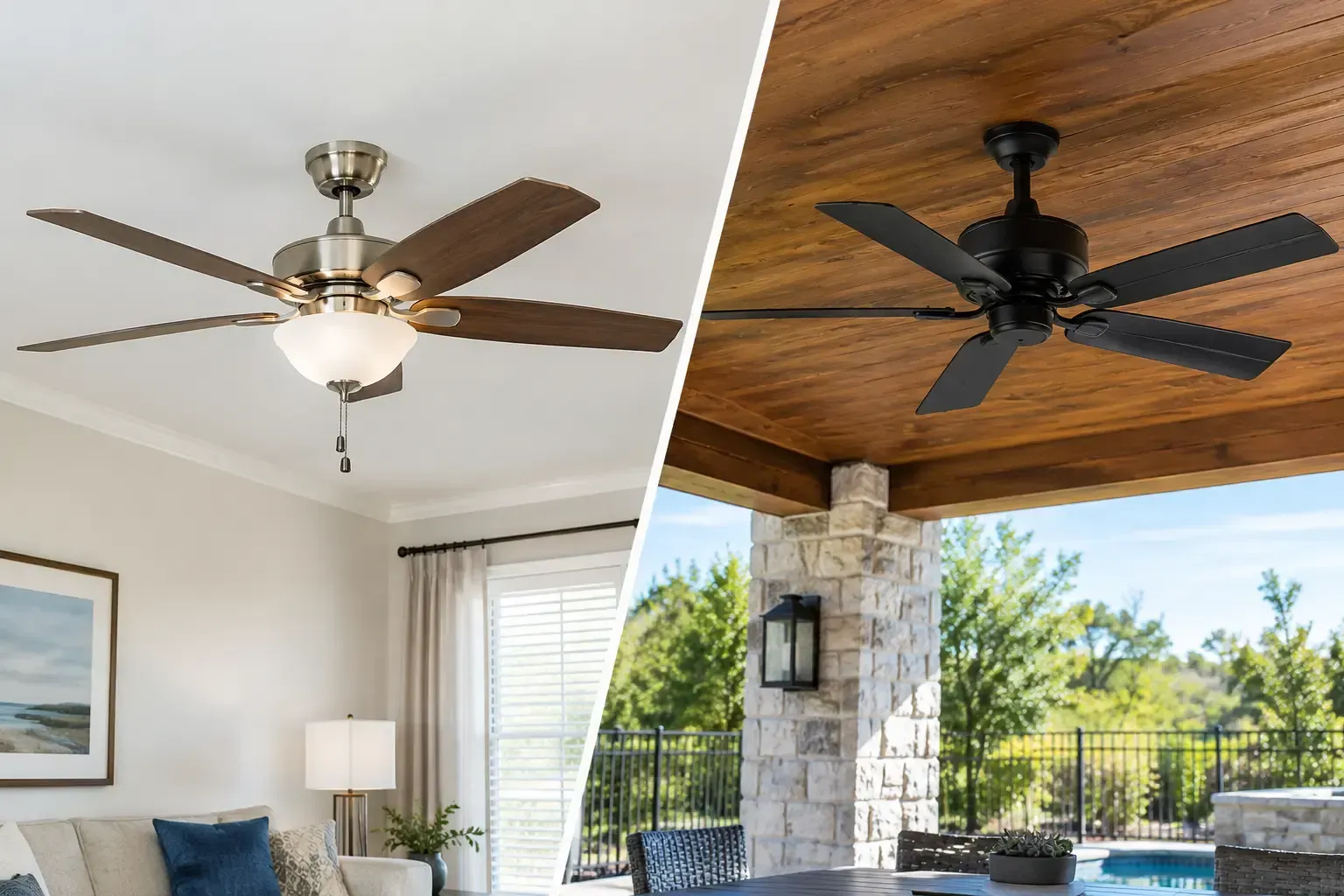
It sounds backward. Why would anyone living off Wilshire Boulevard call an electrician to install a wind-generating machine in the middle of January? Most people associate ceiling fans with that brutal Texas August heat, trying to escape the humidity without bankrupting themselves on AC bills. But here is the secret most homeowners miss: ceiling fans are just as critical when the temperature drops. If your feet are freezing while your heater is running non-stop, you have a physics problem, not a heating problem. Heat rises. In a standard Burleson home—whether it’s a new build near Chisholm Trail or a craftsman in Old Town—the warmest air is trapped at your ceiling, uselessly hovering above your head. By the time you feel warm on the couch, your furnace has worked twice as hard as necessary.
By John Constantine January 29, 2026
That faint buzzing sound coming from your hallway isn't just a minor annoyance. It is a countdown. Most homeowners treat their electrical panel like a "set it and forget it" appliance, tucked away in a dark corner of the garage or a cluttered basement closet. We ignore it. We paint over it. We hang coats in front of it. But that gray metal box is the heart of your home’s safety, and for many people, that heart is skipping beats. If your home was built more than twenty years ago, there is a statistically significant chance that your panel is currently operating outside of its intended safety parameters. This isn't just about a tripped breaker when you run the microwave and the hair dryer at the same time. This is about preventing a catastrophic event that can level a house in minutes. At Burleson AT Electric, we see the aftermath of neglect far too often, and we believe every homeowner deserves to know exactly what is lurking behind that metal door. 
By John Constantine January 24, 2026
It starts with a subtle flicker in the hallway lights. Maybe a hum from the wall you’ve never noticed before. Then, right as the temperature drops below freezing and your heater kicks into overdrive—snap. Silence. Darkness. You didn’t just lose power; you lost patience. Here in Burleson, we might not get the months-long snowpack of the Midwest, but our winters are volatile. Our grid—and specifically your home’s internal wiring—takes a beating from rapid freeze-thaw cycles. When the mercury dips, the demand on your electrical circuit skyrockets. If you are relying on a home built twenty years ago near Old Town or even a newer build off Alsbury that wasn't wired for high-draw appliances, you are sitting on a potential failure point. Burleson A.T. Electric sees this every January. It’s not just bad luck; it’s physics.
By John Constantine January 16, 2026
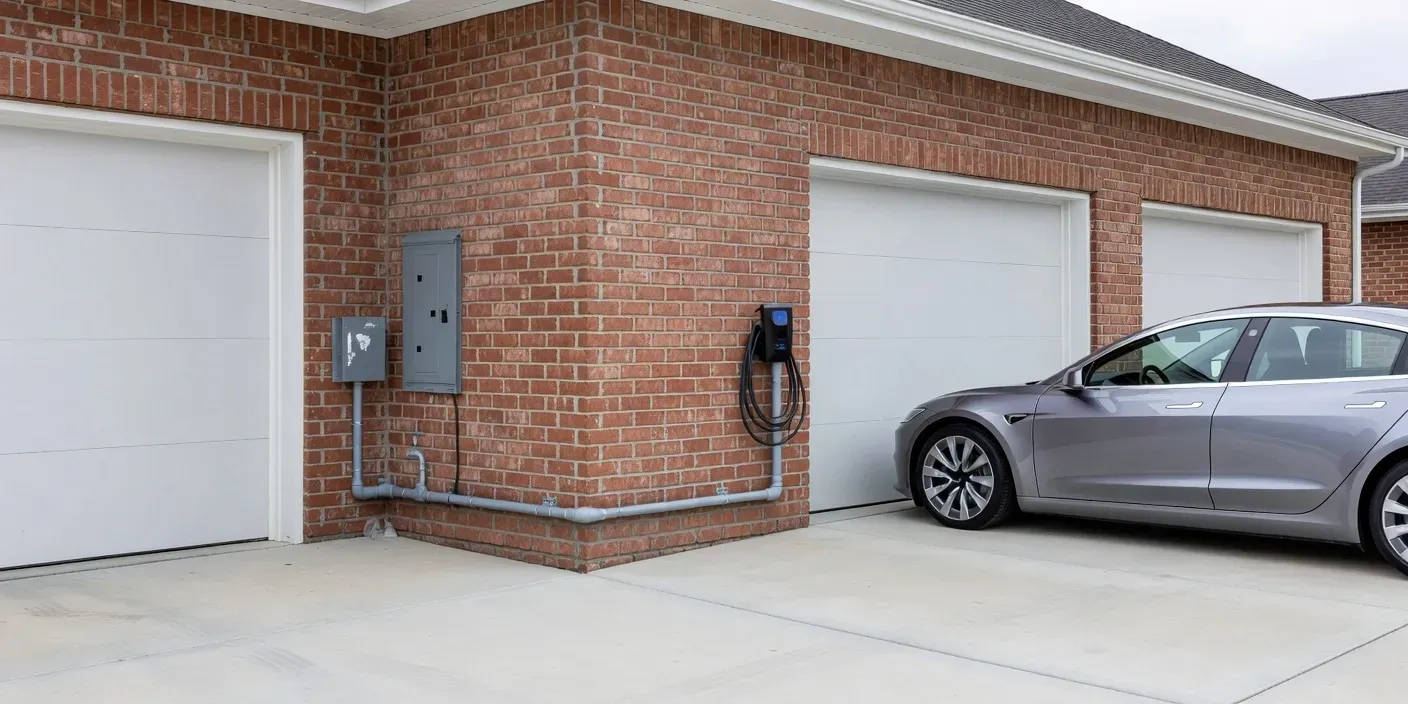
Electric vehicles are no longer a novelty on the streets of Burleson; they are the new standard for the Texas driver. Look around the parking lot at the H-E-B on John Jones Drive or the parking spaces near Old Town. You will see Teslas, Rivians, and Ford Lightnings. The transition is happening fast. But owning an EV is only half the battle. The real challenge starts when you pull into your driveway or your place of business and realize that a standard wall outlet just won’t cut it. You need power. You need speed. You need a professional local electrician who understands that Texas infrastructure requires more than just a "plug and play" attitude.  Burleson AT Electric is here to bridge that gap. We don't just install hardware. We engineer solutions. Whether you are a homeowner tired of waiting 20 hours for a full charge, a landlord looking to increase property value, or a business owner wanting to attract high-spending clientele, our electrical services are designed to handle the load. This isn't just about a wire and a box. It is about future-proofing your property in a city that is growing faster than the power grid sometimes likes to admit.
By John Constantine January 7, 2026
When you look around your property in Burleson, Texas, you likely see the beauty of the North Texas landscape—the sprawling oaks, the manicured lawns, and the clear blue sky. What you don’t see, however, is the complex network of power lines pulsing beneath your feet. Underground electric work is the backbone of modern residential and commercial infrastructure, providing a clean, aesthetic, and weather-resistant alternative to traditional overhead lines. But because this work is literally buried, it requires a level of precision and expertise that goes far beyond standard electrical repairs.  Whether you are building a new home near Old Town Burleson, installing a backyard pool, or upgrading your commercial facility’s power capacity, finding the right local electricians is the most critical decision you will make. At Our Homepage , we understand that underground projects are "out of sight, out of mind" only when they are done perfectly. One small error in conduit depth or moisture sealing can lead to catastrophic failures years down the line. This guide is designed to help you navigate the complexities of hiring a specialist and why Burleson AT Electric stands as the premier choice for your community.
By John Constantine December 31, 2025
Your home's electrical system is its central nervous system. It powers your lights, charges your devices, runs your appliances, and keeps your family comfortable and connected. Yet, for most homeowners, it operates silently and out of sight, often forgotten until a problem arises. But what if you could prevent those problems before they start? What if you could ensure your home is not only safer but also smarter and more efficient? That's where a professional electrical inspection comes in. Many people only think about electricians when a light flickers or a breaker trips, but proactive care is the key to a safe and reliable electrical system. An electrical inspection is a comprehensive health check-up for your home's wiring, panels, and components. It's an essential service that can uncover hidden dangers, prevent costly repairs, and provide invaluable peace of mind. Here at Burleson AT Electric , we believe that understanding your home's electrical health is the first step toward creating a truly secure and modern living environment.  This guide will walk you through the critical moments when an electrical inspection is not just recommended but necessary, and we'll demystify the process of what to expect when you schedule one. Let's illuminate the path to a safer, smarter home.
By John Constantine December 23, 2025
A ceiling fan is a fantastic addition to any Texas home, offering a cool breeze on hot summer days and helping to circulate warm air during our milder winters. While installing a ceiling fan might seem like a straightforward DIY project, it's a task that's surprisingly easy to get wrong. An improper installation can lead to annoying wobbles, strange noises, or even serious safety hazards like electrical fires or the fan detaching from the ceiling. At Burleson A.T. Electric , we've seen our fair share of DIY installations gone wrong. That's why we've put together this guide to the most common mistakes and how a licensed electrician ensures a safe and secure installation.
By John Constantine December 17, 2025
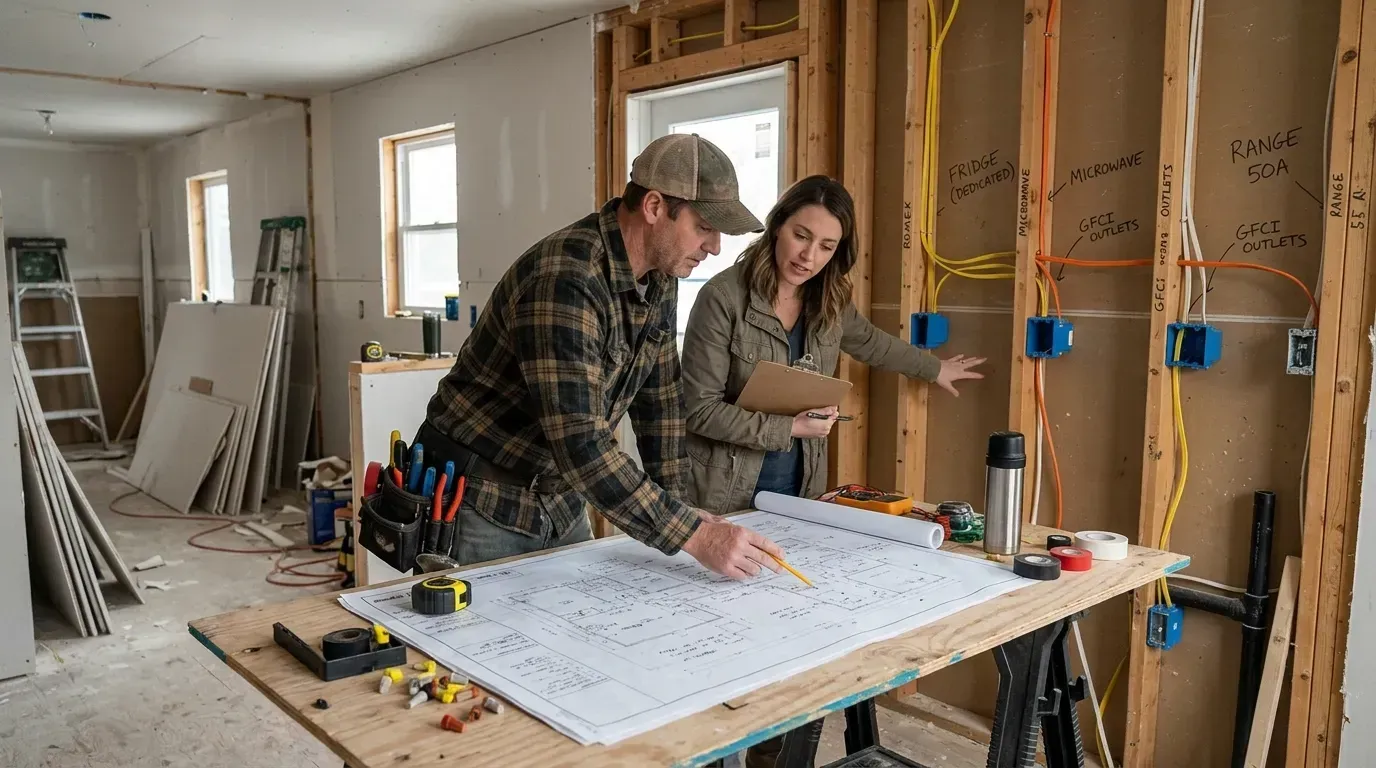
Building a new home or undertaking a major renovation is an exciting journey, a chance to create a space that's perfectly tailored to your lifestyle. Amidst the decisions about floor plans and finishes, one of the most critical components lies hidden behind the walls: the electrical system. A well-designed and professionally installed electrical system is the central nervous system of a modern home, powering everything from your morning coffee maker to your evening entertainment. Conversely, an outdated or poorly planned system can lead to daily frustrations, safety hazards, and costly future repairs. Whether you're starting from a bare plot of land or breathing new life into an existing property, understanding the scope of electrical work required is paramount. This comprehensive guide will walk you through the essential electrical services for new construction and the crucial system upgrades for renovations. Here at Burleson AT Electric , we believe an informed homeowner is an empowered one, and our goal is to illuminate the path to a safe, efficient, and future-proof home. Explore our main services to see the breadth of our expertise.