The Ultimate Guide to Finding a Qualified Electrician for Underground Electric Work in Burleson, TX
When you look around your property in Burleson, Texas, you likely see the beauty of the North Texas landscape—the sprawling oaks, the manicured lawns, and the clear blue sky. What you don’t see, however, is the complex network of power lines pulsing beneath your feet. Underground electric work is the backbone of modern residential and commercial infrastructure, providing a clean, aesthetic, and weather-resistant alternative to traditional overhead lines. But because this work is literally buried, it requires a level of precision and expertise that goes far beyond standard electrical repairs.
Whether you are building a new home near Old Town Burleson, installing a backyard pool, or upgrading your commercial facility’s power capacity, finding the right local electricians is the most critical decision you will make. At Our Homepage, we understand that underground projects are "out of sight, out of mind" only when they are done perfectly. One small error in conduit depth or moisture sealing can lead to catastrophic failures years down the line. This guide is designed to help you navigate the complexities of hiring a specialist and why Burleson AT Electric stands as the premier choice for your community.
Understanding the Complexity of Underground Electric Work
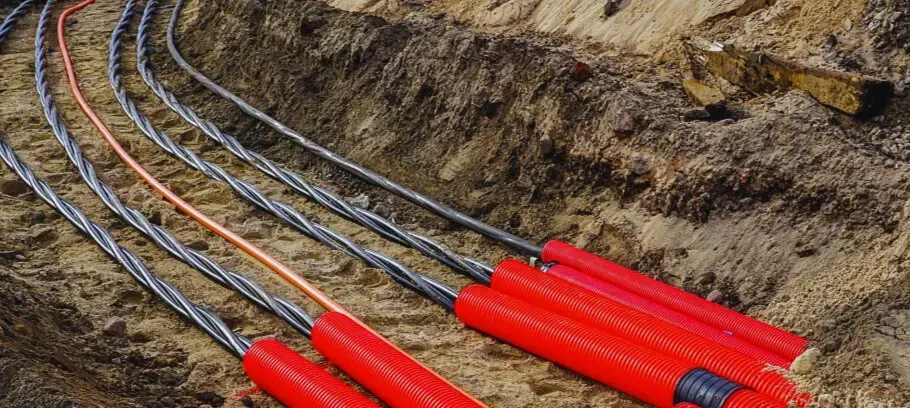
Underground electrical installation is not merely about digging a hole and dropping in a wire. It is a sophisticated engineering process that must account for soil composition, thermal expansion, moisture ingress, and strict municipal codes. In Burleson, our soil is notorious for its high clay content, which expands and contracts significantly with Texas weather patterns. This movement can put immense pressure on buried conduits, potentially snapping connections if not installed with the proper "expansion joints" and bedding material.
When searching for Our Main Services, you’ll find that underground work encompasses several specialized tasks:
- Primary Service Laterals: Running power from the utility transformer to your main electrical panel.
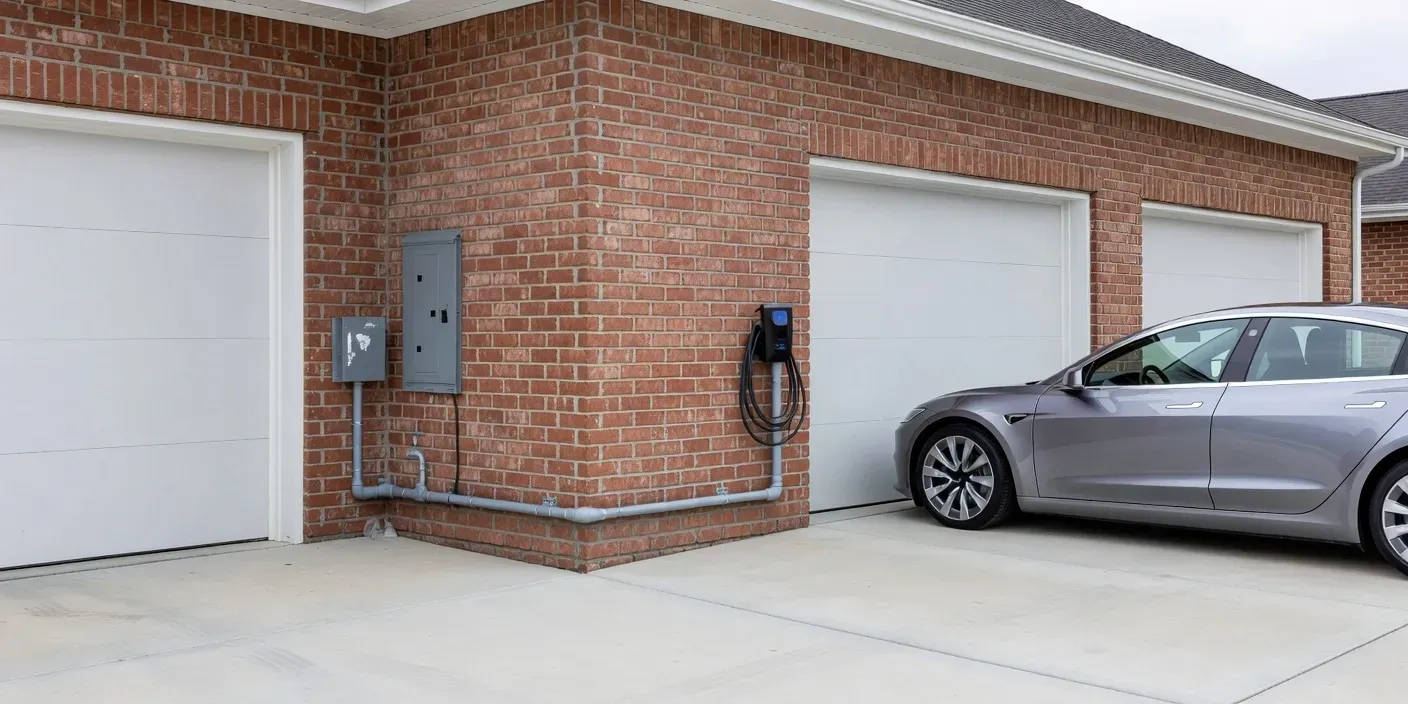
- Secondary Circuits: Powering detached garages, workshops, or outdoor kitchens.
- Trenching and Backfilling: The physical excavation and restoration of the land.
- Directional Boring: A trenchless method used to install wires under driveways or existing structures without disturbing the surface.
Why Local Knowledge Matters in Burleson
You might find many local electricians in the DFW metroplex, but hiring someone who specifically understands Burleson’s local ordinances and the unique geography of Johnson and Tarrant Counties is vital. Different municipalities have varying requirements for trench depth—often ranging from 18 to 24 inches depending on the type of conduit used (PVC vs. Rigid Metal). A contractor who isn't familiar with our local inspectors may fail to meet these nuances, leading to failed inspections and costly delays.
Top Tips for Vetting an Underground Electrical Specialist
Selecting a contractor for underground electric work requires a more rigorous vetting process than hiring someone to swap out a light fixture. Here are the top factors you must consider to ensure your project is safe, legal, and durable.
1. Verify Specialized Licensing and Insurance
Every electrician in Texas must be licensed by the Texas Department of Licensing and Regulation (TDLR). However, you should specifically ask if they have experience with "outside plant" or underground utility work. Furthermore, verify their insurance coverage. Underground digging carries the inherent risk of hitting existing gas, water, or fiber-optic lines. A qualified professional will carry substantial general liability and workers' compensation insurance to protect you from any accidental damage to your property or utility infrastructure.
2. Knowledge of the "Call 811" Process
A major red flag is an electrician who suggests they can "just start digging." In Texas, the law requires that "Texas 811" be notified at least two business days before any excavation begins. This service marks the location of underground utility lines. At Burleson AT Electric, we prioritize safety by managing the entire marking process, ensuring that our local electricians never break ground until every utility is accounted for. You can learn more about our commitment to safety on the About Us page.
3. Equipment Capability
Does the electrician own their own trenching equipment, or do they sub-contract it out? Companies that own their machinery, like Burleson AT Electric, often have better control over the project timeline and the quality of the excavation. Whether it’s a dedicated trencher for narrow lines or a mini-excavator for larger service upgrades, having the right tools for the specific North Texas soil is a hallmark of a professional outfit.
The Technical Details: What a Pro Should Be Doing
To help you "speak the language" when interviewing contractors, here are the technical standards that define high-quality underground electric work.
Conduit Selection: PVC vs. HDPE
Most residential underground work uses Schedule 40 or Schedule 80 PVC. Schedule 80 is thicker and used in areas where the conduit might be subject to physical damage (like where it emerges from the ground). For longer runs or commercial applications, some local electricians might suggest HDPE (High-Density Polyethylene), which is flexible and comes on large reels, reducing the number of joints that could potentially leak.
Proper Depth and Bedding
According to the National Electrical Code (NEC) Table 300.5, direct-buried cables usually require 24 inches of cover, while cables in PVC conduit require 18 inches. However, a true professional doesn't just throw dirt back on top of the pipe. They use a layer of sand or "fines" to bed the conduit. This prevents sharp rocks in our Burleson soil from pressing against the pipe and causing a puncture over time as the ground shifts.
Warning Tape Installation
One of the most overlooked steps in underground electric work is the installation of "Caution: Buried Electric Line Below" tape. This tape should be placed about 12 inches above the actual conduit. This serves as a final warning to any future homeowners or contractors who might be digging in the area, potentially saving lives and preventing massive power outages.
Common Challenges with Underground Wiring in North Texas
Burleson presents unique challenges that "big box" electrical companies often overlook. Our weather is extreme—from blistering summer droughts that crack the earth to torrential spring rains that turn yards into swamps. These conditions create a "pumping" action in the soil.
If your local electricians do not install proper expansion fittings at the points where the conduit enters your home or the transformer pad, the shifting soil can literally pull the meter base off your wall or snap the wires inside the pipe. When you Contact Us, we perform a site-specific evaluation to determine the best mitigation strategies for these geological factors.
The Benefits of Choosing Underground Over Overhead Lines
While the initial cost of underground electric work can be higher than overhead alternatives, the long-term benefits for Burleson residents are substantial:
- Storm Resilience: Texas is prone to high winds and ice storms. Underground lines are immune to falling tree limbs and wind-related damage.
- Aesthetic Value: Removing unsightly wires and poles opens up your view and increases your property’s curb appeal.
- Safety: Underground lines eliminate the risk of accidental contact with ladders, kites, or falling branches.
- Longevity: Protected from UV rays and extreme temperature swings, buried conduits often outlast exposed wiring.
Why Burleson AT Electric is the Gold Standard
As a leader among local electricians, Burleson AT Electric has built a reputation based on transparency and technical excellence. We don't just "do" electrical work; we engineer solutions that last for generations. Our team is deeply embedded in the Burleson community, and we treat every underground project as if it were being done on our own property.
We provide comprehensive documentation of our underground runs, including photos of the open trench and measurements of the depth. This level of detail is invaluable for future landscaping or construction projects on your property. When you choose us, you aren't just getting a contractor; you're getting a partner dedicated to the safety and reliability of your home’s power grid.
Red Flags to Watch Out For
When searching for underground electric work specialists, be wary of the following:
- No Permit Offered: If an electrician says a permit isn't necessary for a new underground line, they are likely cutting corners.
- Vague Quotes: Underground work can have "unknowns." A professional will provide a clear base price and explain how "rock clauses" or unforeseen obstructions are handled.
- Lack of References: Ask for examples of previous underground projects in the Burleson area. A reputable pro will have a portfolio of successful installs.
Conclusion: Investing in Peace of Mind
The electrical system of your home or business is its most vital utility. While it’s tempting to look for the lowest bidder, underground electric work is one area where quality and experience are non-negotiable. By following the tips outlined in this guide—prioritizing local expertise, verifying technical standards, and choosing a company like Burleson AT Electric—you ensure that your property remains powered, safe, and beautiful for years to come.
Ready to start your project? Whether it's a simple line to a new shed or a massive service relocation, our team of expert local electricians is ready to help. Reach out through Contact Us today for a consultation that prioritizes your safety and satisfaction.
Frequently Asked Questions
What is the required depth for underground electric work in Burleson?
In Burleson, TX, the depth depends on the conduit type. Generally, the National Electrical Code requires 18 inches of cover for PVC conduit and 24 inches for direct-buried cable. However, local municipal codes may vary, so it is essential to have your electrician verify specific requirements with city inspectors before digging.
How much does it cost to run electricity underground?
The cost of underground electric work typically ranges from $10 to $25 per linear foot. Factors influencing the price include soil conditions (like heavy clay or rock), the gauge of the wire, the type of conduit used, and whether trenching or directional boring is required to bypass obstacles like driveways.
Can local electricians install underground lines during the rainy season?
While possible, heavy rain makes trenching difficult and potentially unsafe due to wall collapses. Professional local electricians usually monitor weather patterns to ensure the soil is stable enough for excavation. Proper backfilling is also crucial during wet seasons to prevent future soil settling and conduit displacement.
Do I need a permit for underground electrical repairs in Texas?
Yes, most underground electrical projects in Texas require a permit from the local building department. This ensures the work is inspected for safety and complies with the National Electrical Code. Burleson AT Electric handles the permitting process for our clients to ensure every job is fully legal and documented.
Is directional boring better than trenching for my yard?
Directional boring is ideal if you want to avoid damaging existing landscapes, sidewalks, or driveways. While it is generally more expensive than traditional trenching, it saves money on surface restoration. Your electrician can recommend the best method based on your property’s layout and your specific budget constraints.