Powering Your Future: A Complete Guide to Electrical Services for New Builds and System Upgrades
Building a new home or undertaking a major renovation is an exciting journey, a chance to create a space that's perfectly tailored to your lifestyle. Amidst the decisions about floor plans and finishes, one of the most critical components lies hidden behind the walls: the electrical system. A well-designed and professionally installed electrical system is the central nervous system of a modern home, powering everything from your morning coffee maker to your evening entertainment. Conversely, an outdated or poorly planned system can lead to daily frustrations, safety hazards, and costly future repairs.
Whether you're starting from a bare plot of land or breathing new life into an existing property, understanding the scope of electrical work required is paramount. This comprehensive guide will walk you through the essential electrical services for new construction and the crucial system upgrades for renovations. Here at Burleson AT Electric, we believe an informed homeowner is an empowered one, and our goal is to illuminate the path to a safe, efficient, and future-proof home. Explore our main services to see the breadth of our expertise.
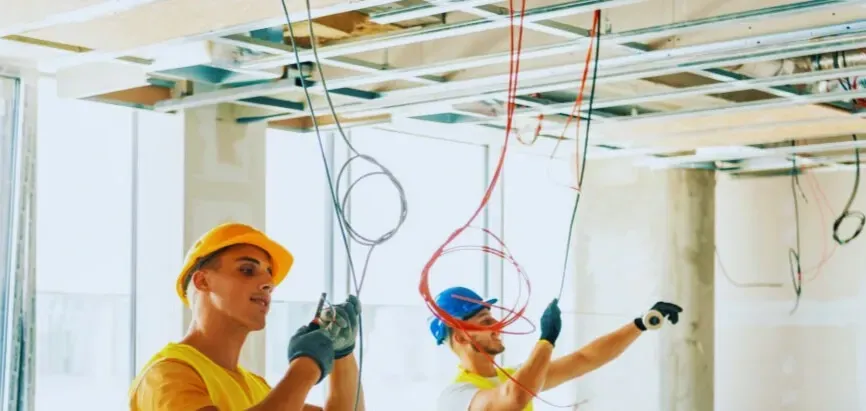
Part 1: The Blueprint for Power – Electrical Systems in New Construction
For a new build, you have the unique opportunity to design your electrical system from the ground up. This isn't just about placing outlets; it's about creating a robust, safe, and convenient network that will serve your family for decades to come.
The Critical Planning & Design Phase
The success of your new home's electrical system begins long before the first wire is pulled. This foundational stage involves close collaboration between you, your builder, your architect, and your electrical contractor.
- Load Calculation: This is the first and most important step. We calculate the total electrical demand your home will have, considering everything from the HVAC system and kitchen appliances to potential future additions like an EV charger or a workshop. This determines the size of your main service panel.
- Circuit Mapping: We design a detailed map of your home's circuits, ensuring that power is distributed logically and safely. This prevents overloaded circuits, which can lead to tripped breakers and fire hazards. We'll plan dedicated circuits for heavy-duty appliances like refrigerators, ovens, and washing machines.
- Future-Proofing: How will you live in your home in five, ten, or twenty years? We help you think ahead. This might include running conduit for future wiring, installing extra junction boxes in the attic, planning for a future hot tub, or pre-wiring for a home automation system.
Core Components of a New Build Electrical Installation
With a solid plan in place, our team at Burleson AT Electric gets to work installing the core components that bring your home to life.
1. The Service Panel (Breaker Box)
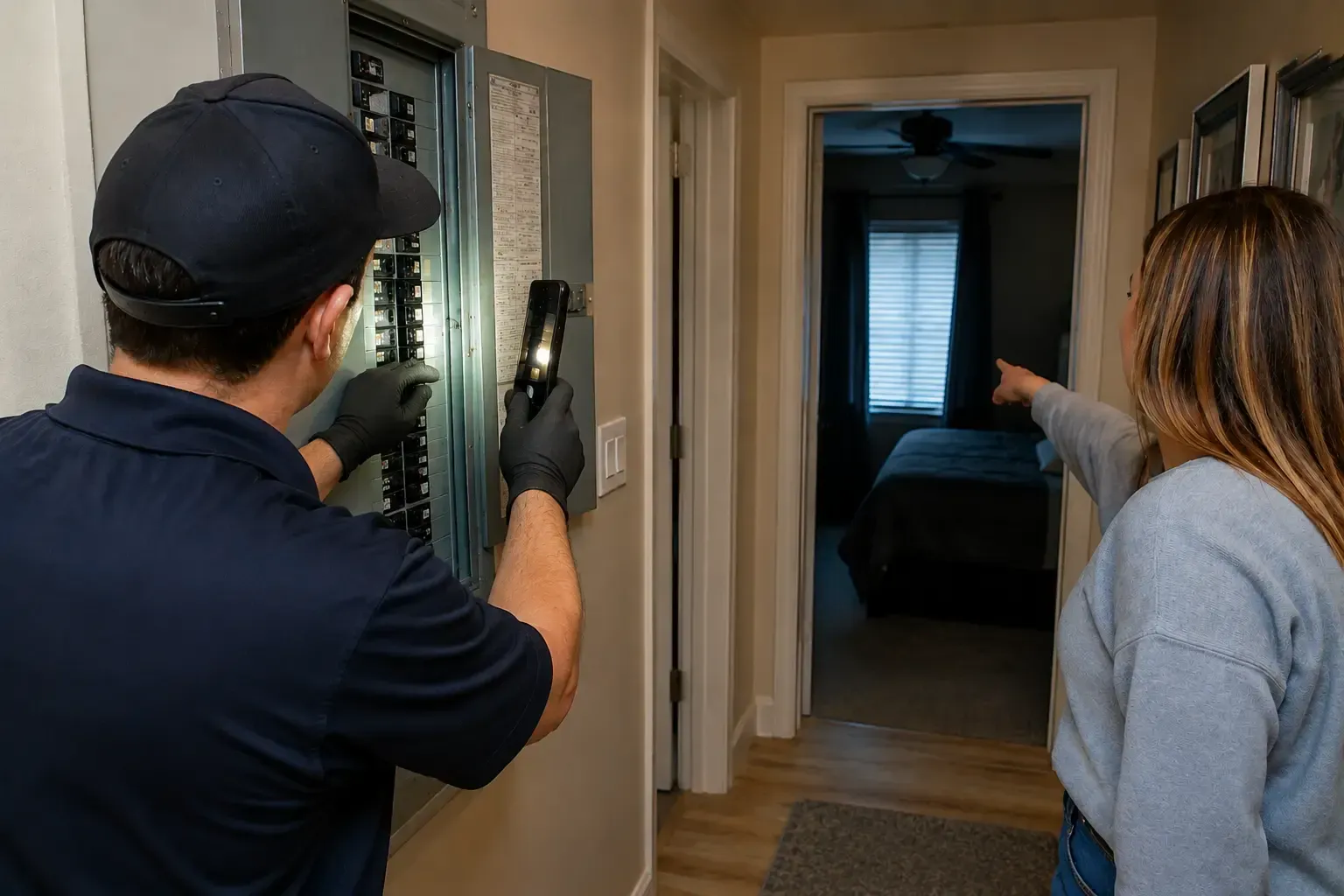
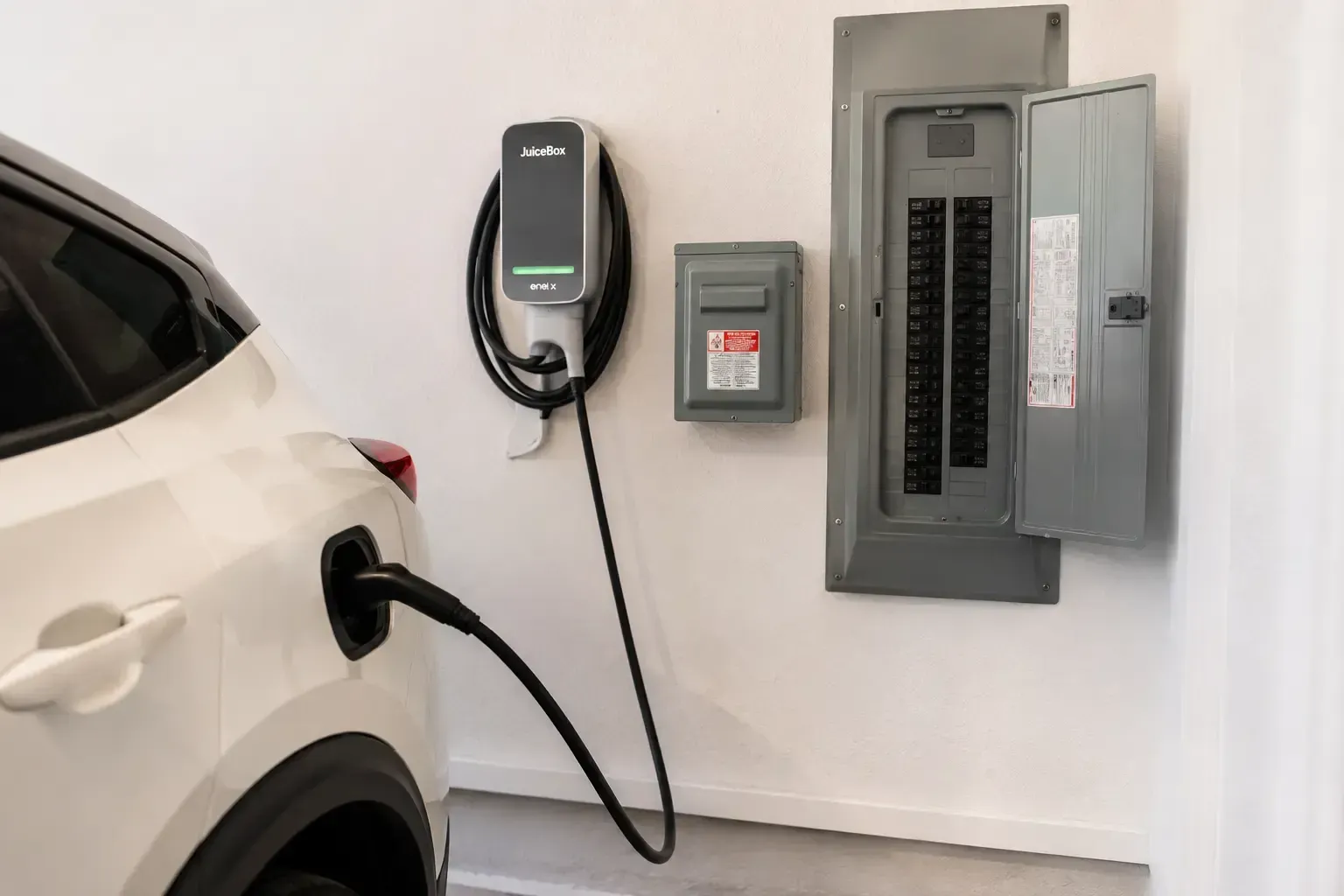
The service panel is the heart of your home's electrical system. It receives the main power from the utility and distributes it to each circuit. For new homes, a 200-amp service is now the standard, providing ample power for modern living and future expansion.
2. Comprehensive Wiring
We use high-quality wiring, like modern non-metallic (NM) or Romex® cable, installed meticulously and according to the latest National Electrical Code (NEC) standards. Proper wiring is crucial for safety and performance, preventing issues like voltage drops or electrical arcing.
3. Strategic Outlet and Switch Placement
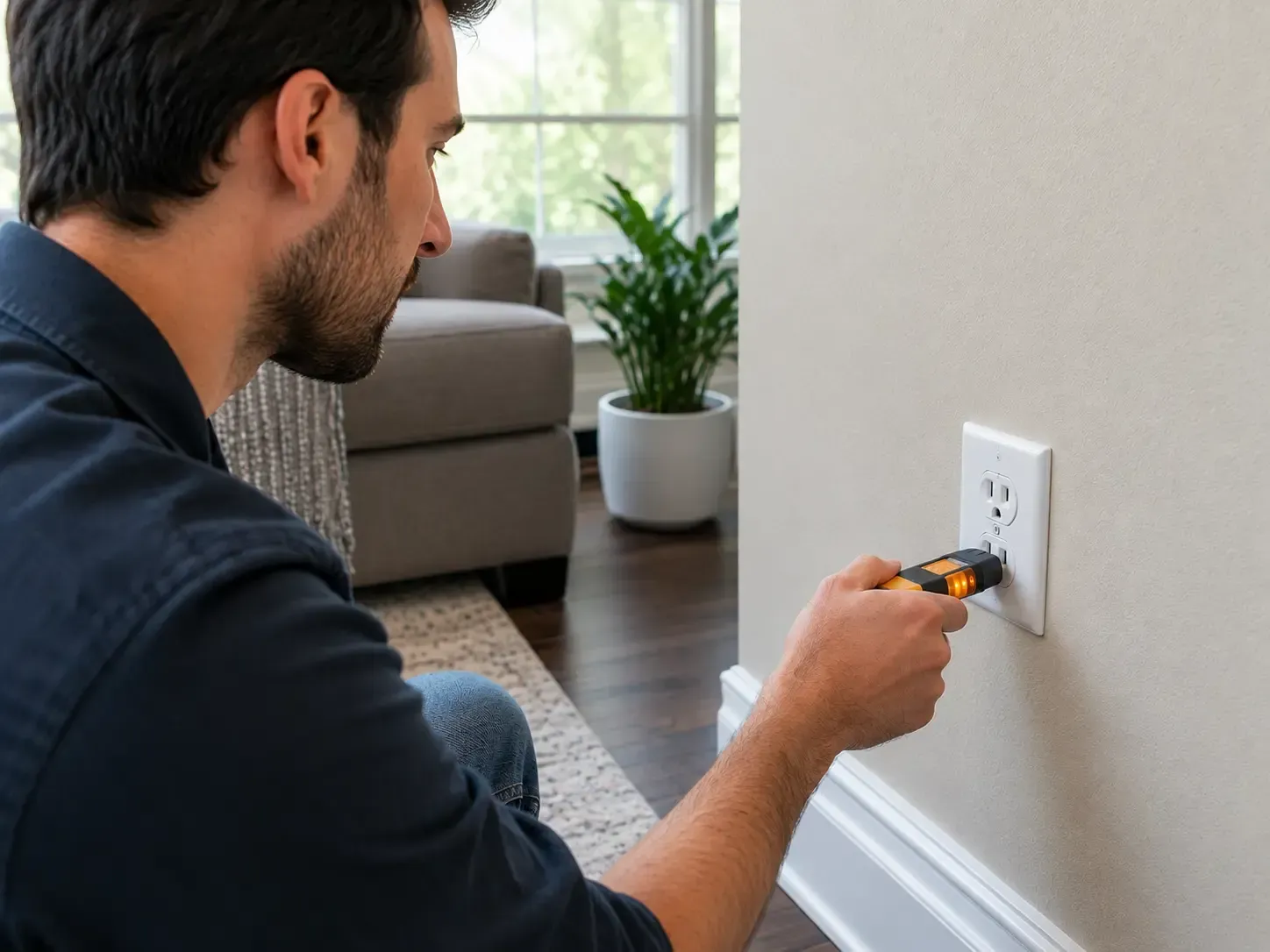
We work with you to determine the optimal placement for every switch and outlet. This includes considering furniture layouts, countertop appliances in the kitchen, bedside needs in bedrooms, and outdoor power requirements. We also ensure the installation of Ground Fault Circuit Interrupter (GFCI) outlets in areas with moisture (kitchens, bathrooms, garages) and Arc Fault Circuit Interrupter (AFCI) protection in living areas to prevent electrical fires.
4. Custom Lighting Solutions
Lighting transforms a house into a home. We can install a wide array of lighting to fit your aesthetic and functional needs:
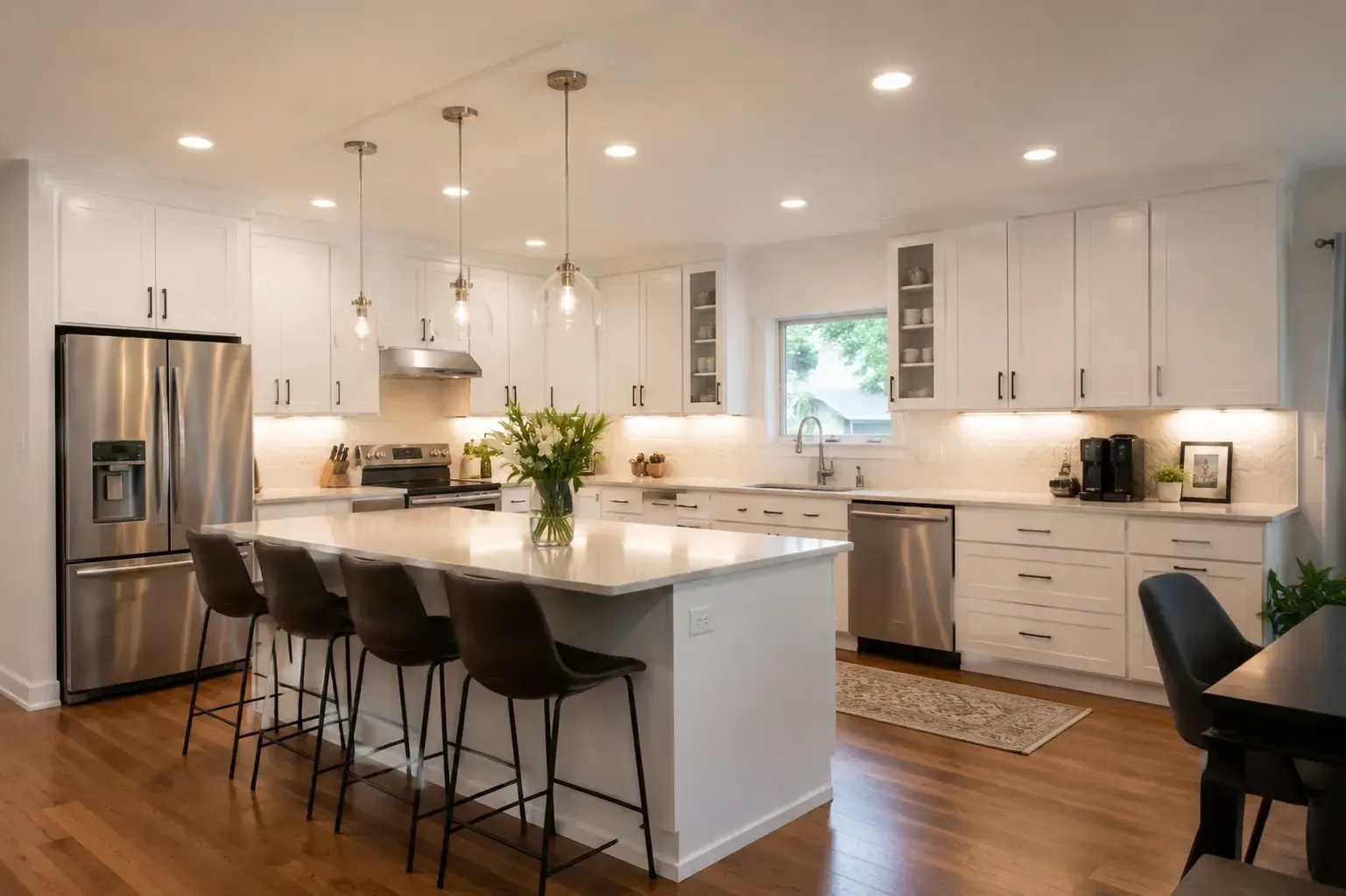
- Ambient Lighting: Recessed cans, chandeliers, and ceiling fixtures that provide overall illumination.
- Task Lighting: Under-cabinet lights in the kitchen, vanity lights in the bathroom, and reading lights in the bedroom.
- Accent Lighting: Track lighting or spotlights to highlight artwork or architectural features.
- Outdoor & Landscape Lighting: Security lighting, path lights, and patio lighting to enhance safety and curb appeal.
5. Specialty Installations
Modern homes often require specialized electrical work. This can include dedicated circuits and wiring for home theater systems, smart home controllers, electric vehicle (EV) charging stations, and backup generator systems.
Part 2: Energizing Your Existing Space – System Upgrades and Renovations
For older homes, an electrical system upgrade is often not a luxury but a necessity. As our reliance on technology grows, the electrical systems of the past can struggle to keep up, posing both safety risks and functional limitations.
Signs Your Home Needs an Electrical Upgrade
- Frequent Breaker Trips: A clear sign that your circuits are overloaded.
- Flickering or Dimming Lights: This can indicate a loose connection or an overloaded circuit.
- Outdated Components: Fuse boxes, two-prong outlets, or visible knob-and-tube or aluminum wiring are major red flags.
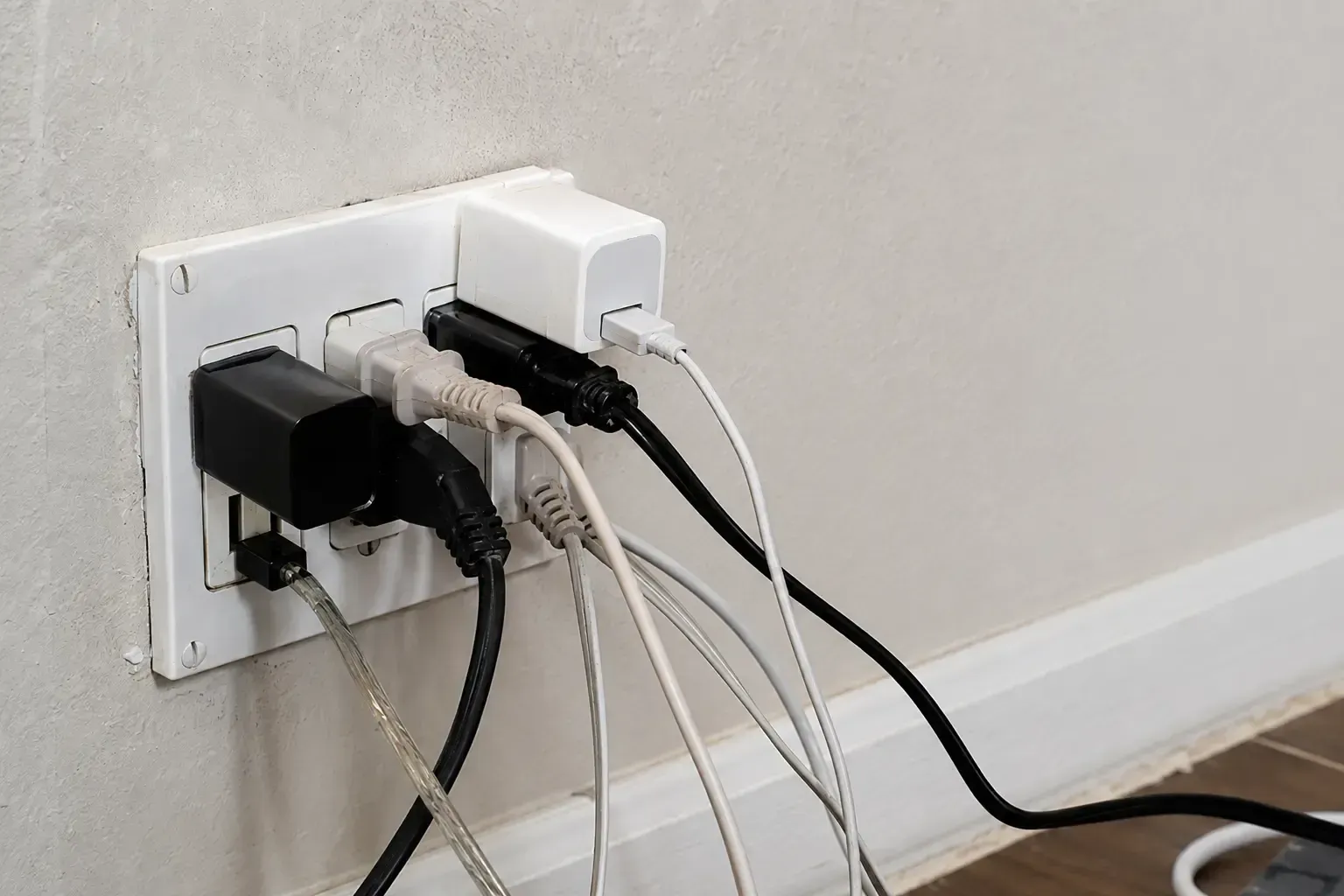
- Insufficient Outlets: Heavy reliance on extension cords and power strips is unsafe.
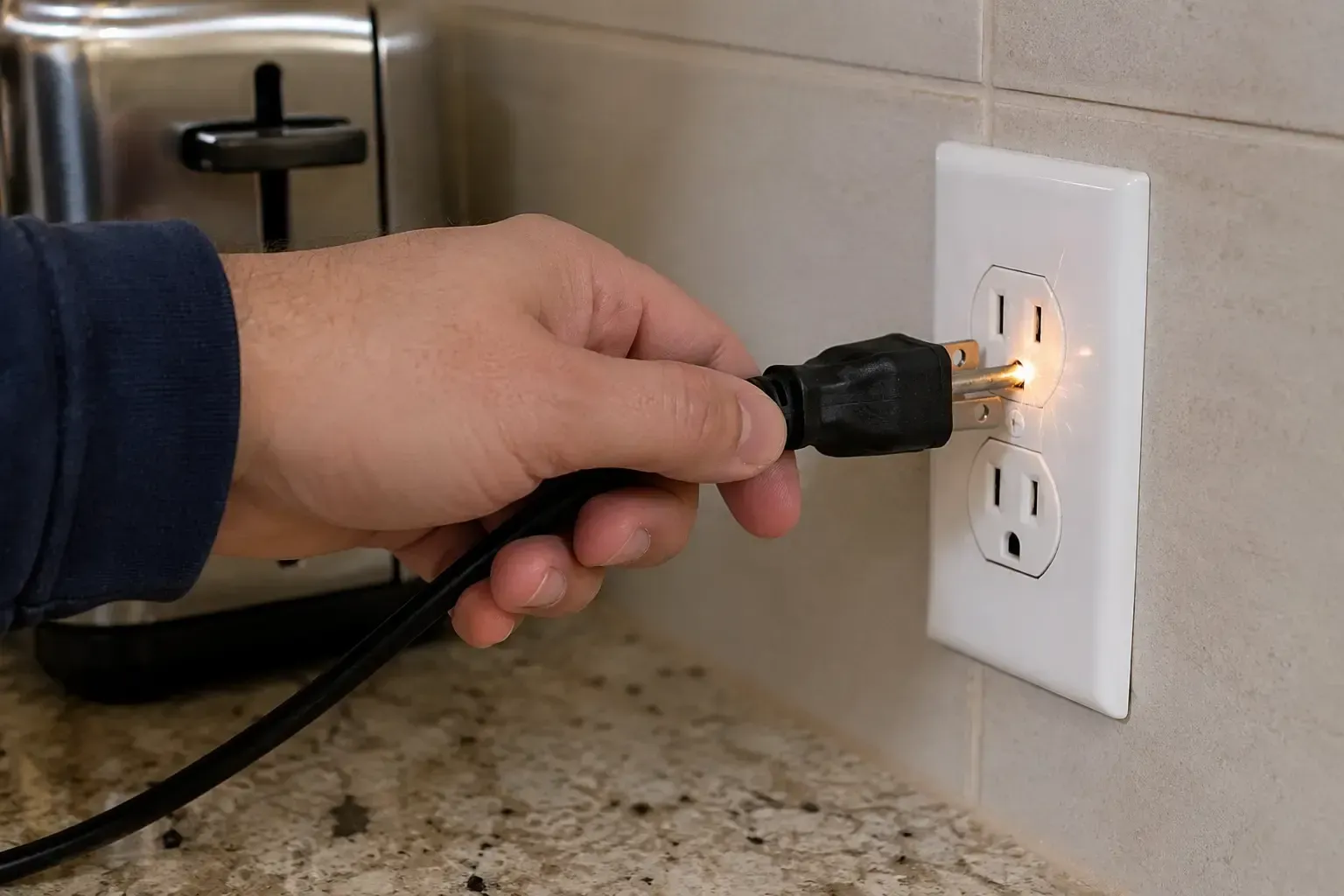
- A Burning Smell or Buzzing Sounds: Immediately shut off the power at the breaker and call a professional electrician.
Common and Essential Electrical Upgrades
At Burleson AT Electric, we specialize in bringing older homes up to modern standards of safety and functionality. Learn more about us and our commitment to quality.
1. Electrical Panel Upgrade
Upgrading from an old 60-amp or 100-amp panel to a 200-amp panel is one of the most impactful upgrades. It provides more capacity for new appliances and electronics, increases your home's safety, and adds significant value to your property.
2. Complete Home Rewiring
If your home has outdated and unsafe wiring like knob-and-tube or aluminum, a full rewire is essential. We replace old, deteriorating wires with modern, safe copper wiring, ensuring your home is compliant with current codes and safe for your family.
3. Adding New Circuits
A home renovation is the perfect time to add new circuits. Whether you're creating a home office that needs to power multiple devices, finishing a basement, or adding a high-draw appliance like a new air conditioner, a dedicated circuit ensures it operates safely without affecting the rest of your home.
4. Whole-Home Surge Protection
A power surge can destroy thousands of dollars worth of sensitive electronics in an instant. A whole-home surge protector is installed at your electrical panel and defends every outlet in your home from external surges, offering far superior protection than individual power strips.
5. Smart Home Integration
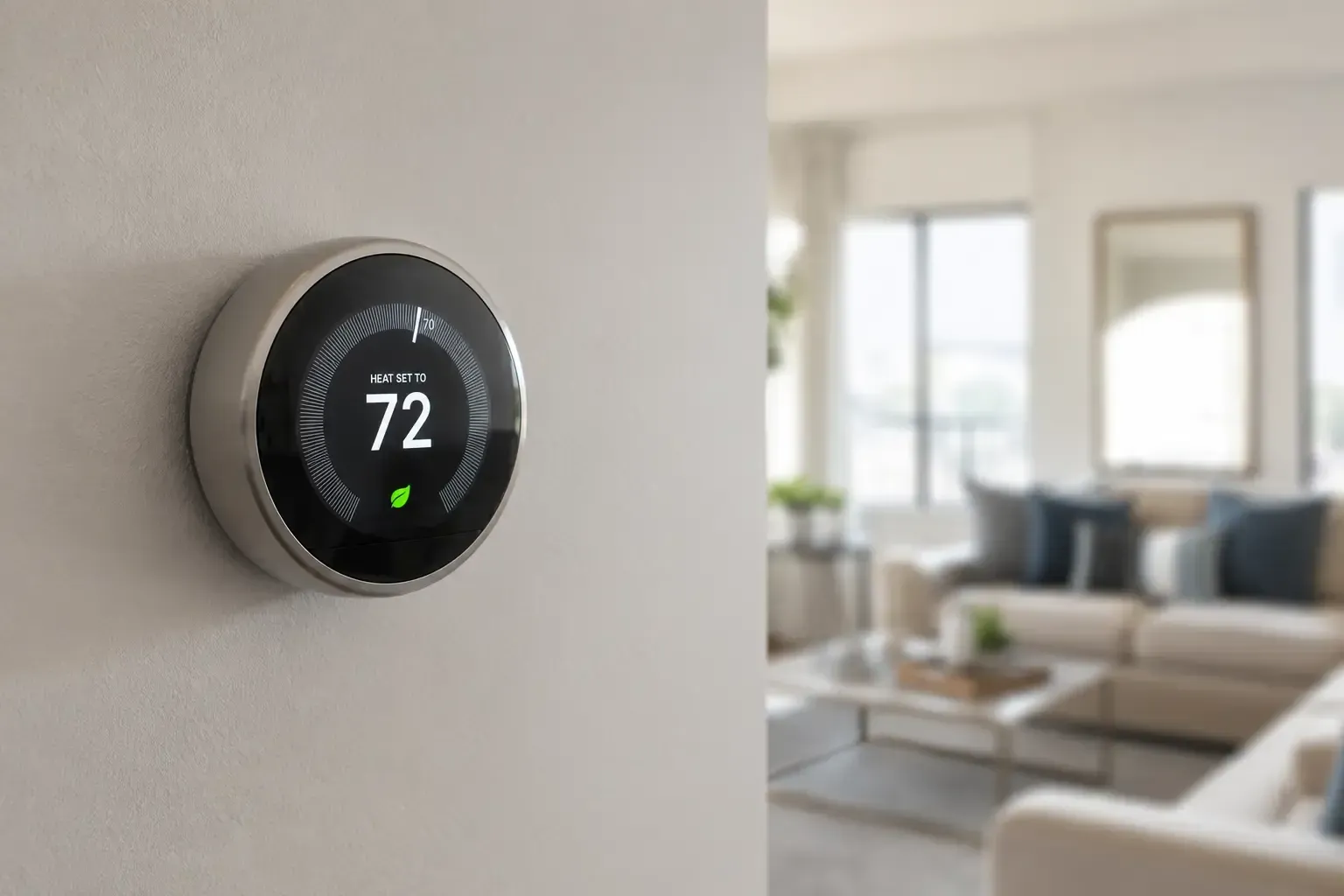
Upgrade your home's IQ by integrating smart technology. We can install smart switches, dimmers, thermostats, and automated lighting controls that you can manage from your phone, increasing both convenience and energy efficiency.
6. GFCI & AFCI Outlet Installation
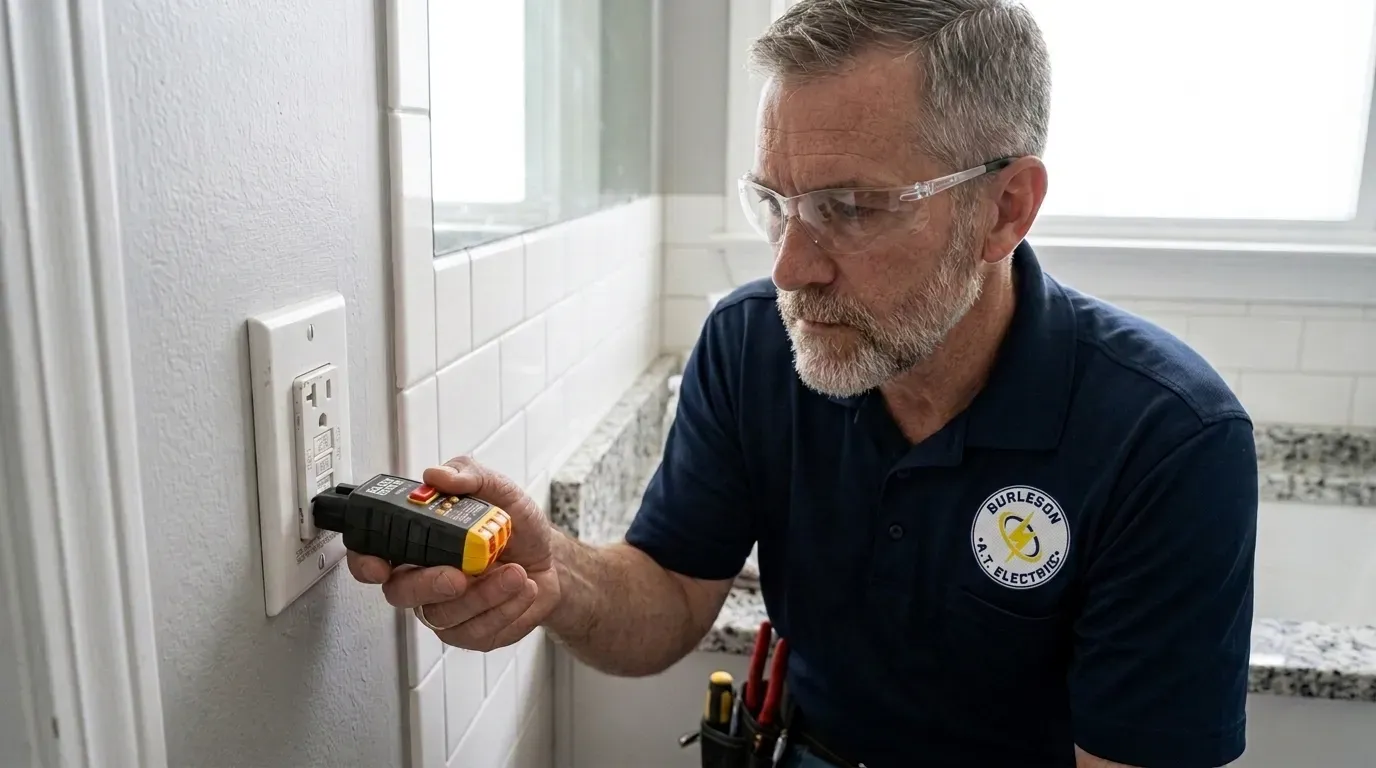
Bringing an older home up to code involves installing GFCI outlets in all wet locations and AFCI protection on circuits for living spaces. This is a critical safety upgrade that protects against electrocution and electrical fires.
Conclusion: Your Partner in Power
Your home's electrical system is the silent partner that works around the clock to keep your life running smoothly. Whether you are laying the foundation for a new dream home or enhancing the safety and capability of your current one, partnering with a qualified, experienced, and trustworthy electrical contractor is non-negotiable. The quality of the work directly impacts your family's safety, the functionality of your space, and the long-term value of your investment.
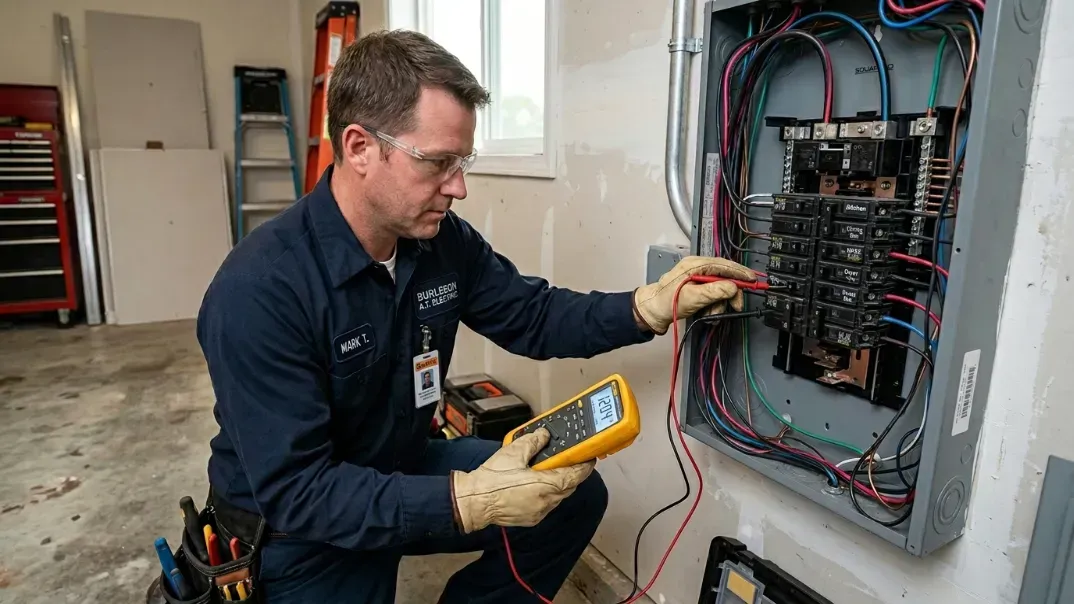
At Burleson AT Electric, we pride ourselves on delivering superior craftsmanship, unwavering attention to safety, and transparent communication from start to finish. We understand that every project is unique, and we are dedicated to providing tailored solutions that meet your specific needs and vision. From the initial design to the final inspection, you can trust our team to power your project with professionalism and expertise.
Ready to discuss your new build or system upgrade? Contact us today to schedule a consultation and let's build a brighter, safer future for your home together. Or, visit our homepage to learn more about our commitment to the community.
Frequently Asked Questions
How early should I involve an electrician in my new build project?
You should involve an electrician as early as the architectural design phase. Early involvement allows the electrician to collaborate with the architect and builder to create an integrated, efficient, and cost-effective electrical plan. This helps avoid costly changes and ensures that your electrical system perfectly complements your home's design and your lifestyle needs from the very beginning.
What are the most common signs that my home's electrical system needs an upgrade?
Common signs include frequently tripped circuit breakers, flickering or dimming lights when appliances turn on, a persistent burning smell from outlets or the panel, outlets that are warm to the touch, and an insufficient number of outlets leading to overuse of extension cords. If your home was built before 1980 and has never had an electrical update, it's highly recommended to have it inspected.
Is a 200-amp service panel really necessary for most modern homes?
For most new homes and significantly renovated older homes, a 200-amp service is the recommended standard. Modern households have a much higher electrical demand than in the past, with multiple large appliances, extensive electronics, central air conditioning, and potential future additions like EV chargers. A 200-amp panel provides the capacity to handle this load safely and allows for future expansion without needing another major upgrade.
What's the difference between a GFCI and an AFCI outlet?
They protect against different types of electrical hazards. A GFCI (Ground Fault Circuit Interrupter) protects against electric shock by detecting imbalances in the current and quickly shutting off power, which is why it's required near water sources. An AFCI (Arc Fault Circuit Interrupter) protects against fire by detecting dangerous electrical arcs—tiny sparks that can happen in damaged or loose wiring—and shutting off the circuit before a fire can start. Both are critical safety components in a modern home.