Can One Electrical Project Prepare Your Home for Solar, Batteries, or EV Charging?
One well-planned electrical upgrade can ready a Burleson, Texas home for solar, batteries, and charging. EV Charger / Underground Electric work often means capacity, conduit, and panel space done once. Burleson A.T. Electric helps homeowners sequence that path without rework.
Key takeaways
- Panel capacity and spare breakers set the ceiling for solar, storage, and charging loads.
- Underground conduit and pull paths reduce future yard disruption for EV or battery circuits.
- Load calculations in Burleson, Texas homes should include simultaneous EV and HVAC peaks.
- Underground electric work can stage feeders before equipment arrives.
Can one project cover solar, batteries, and EV charging?
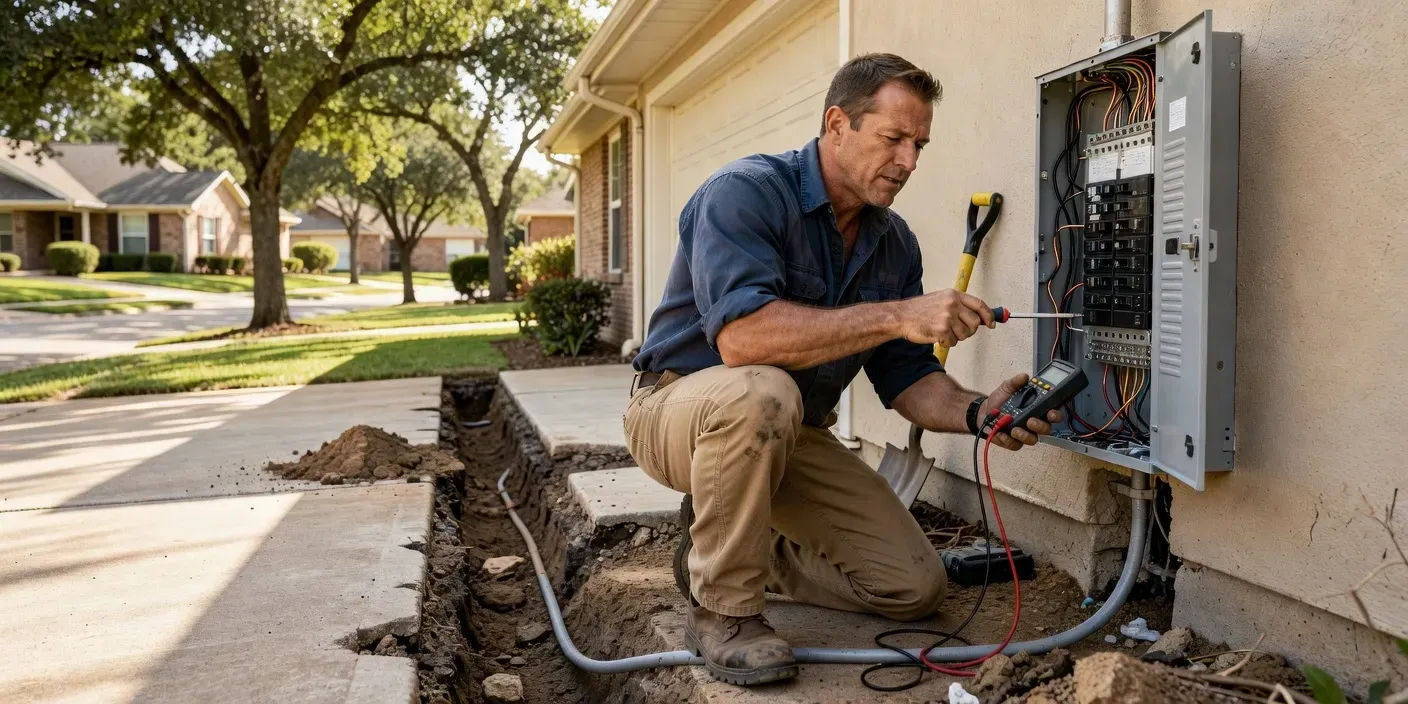
A single coordinated electrical project can prepare a Burleson home for solar, batteries, and EV charging when the service, panel, grounding, and underground paths are sized and routed together, leaving labeled capacity and conduit so later equipment installs without opening walls or yards again for basic feeders. That approach cuts duplicate digs and change orders. Homeowners still confirm utility rules and final equipment specs before purchase. For a site review and next-step plan, contact the team.
Which path fits solar, batteries, or an EV charger first?
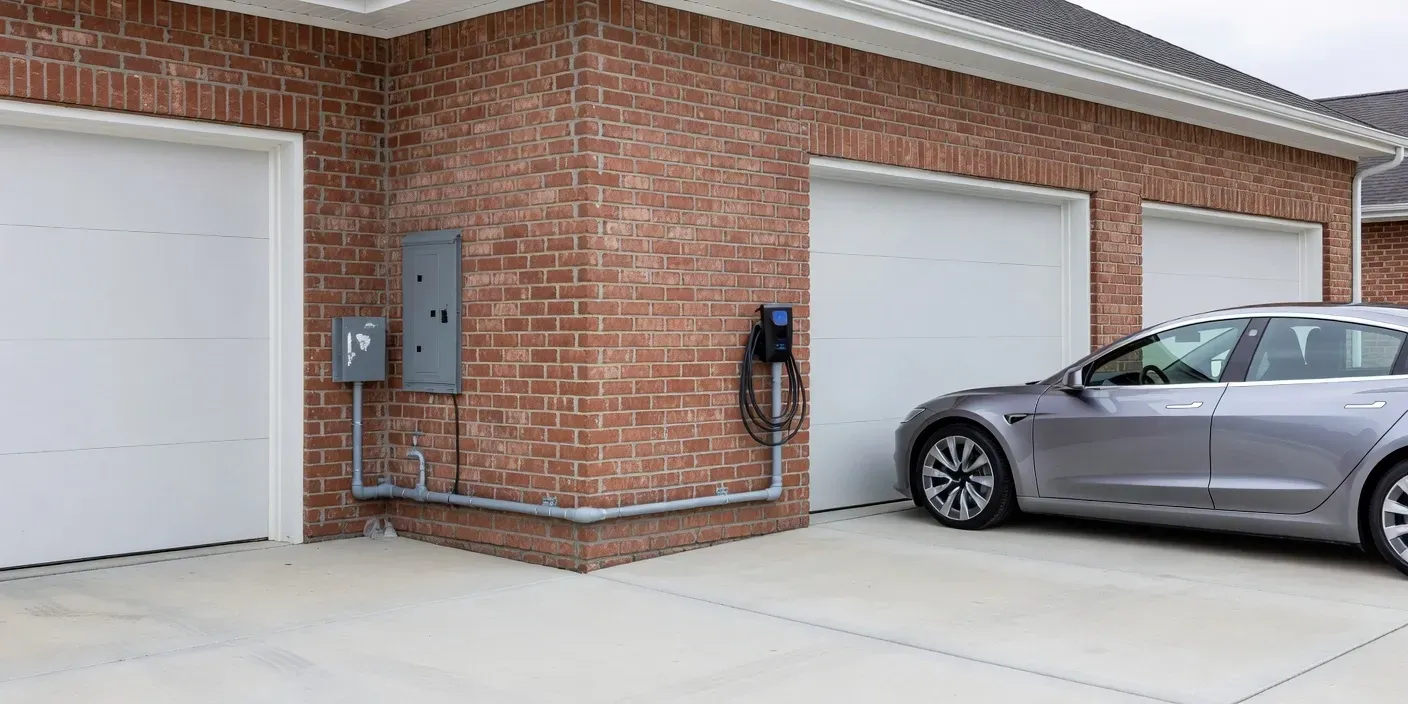
Choosing one coordinated path for EV Charger / Underground Electric prep in Burleson, Texas usually means matching panel headroom, trench routes, and conduit size to the first big load while leaving spare capacity so solar, batteries, or a second charger can land later without a second major dig or panel rebuild for basic feeders and grounding.
| Option | Best for | Watch-out | Prep focus |
|---|---|---|---|
| Service/panel upgrade first | Homes near amp limits with HVAC plus future EV | Cost before any generation gear | Main breaker, bus, grounding |
| Underground conduit only | Clear yard path, equipment still undecided | Empty pipes still need correct depth/size | Trench, pull string, labeled ends |
| EV circuit staged early | Daily driving and known charger location | Charger amps can crowd other loads | Dedicated feeder, disconnect space |
| Solar/battery-ready feeders | Planned rooftop or garage wall gear | Inverter rules and utility paperwork | Subpanel space, derating, labels |
Which Comes First for Burleson Homes: Panel Work or Underground Electric?
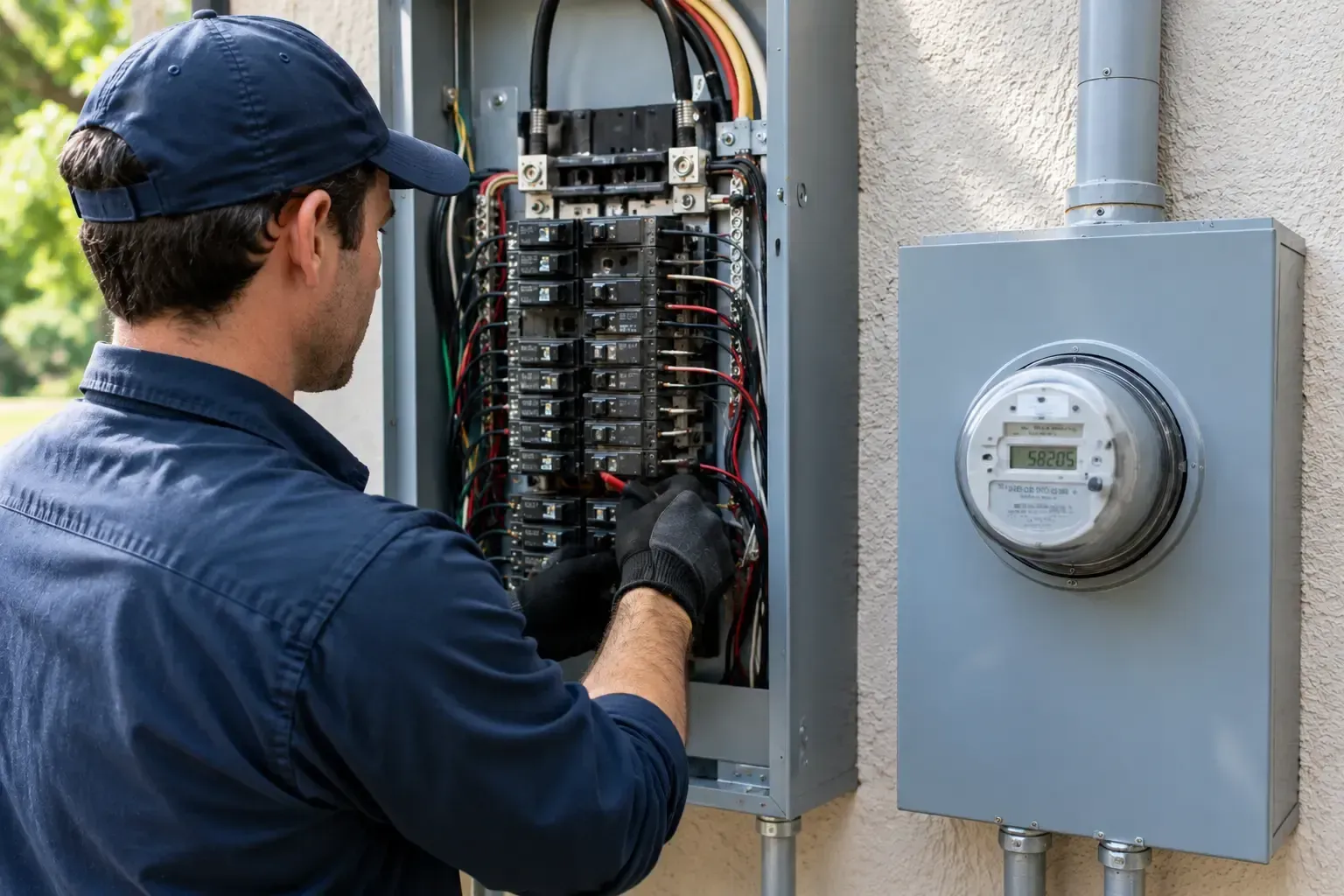
Choosing panel headroom before or with EV Charger / Underground Electric work in Burleson, Texas usually means you size the main service and bus for today’s charger plus spare amps, then run oversized conduit in one trench so solar inverters or battery feeders can pull later without a second dig, rework of grounding, or another driveway cut when loads stack.
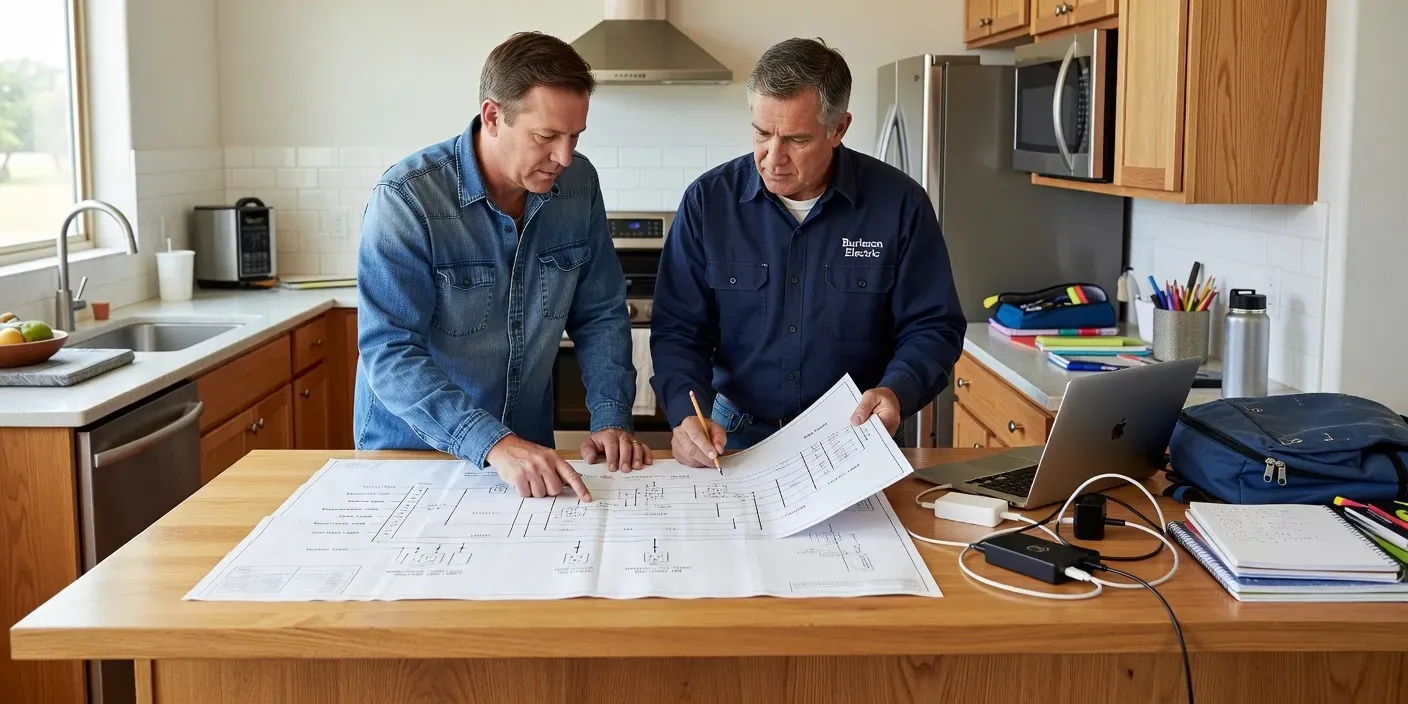
Most Burleson homeowners start with a load calculation that includes HVAC, range, and the planned charger. That math shows whether a service upgrade must lead or can wait.
If the yard path is clear and equipment brands are still open, empty conduit still helps. Depth, sweep radius, and labeled pull strings matter more than filling the pipe on day one.
Burleson A.T. Electric sequences this as one coordinated job. When you need the trench and feeder path done right, their underground electric work covers routing, stubs, and spare capacity for later solar or battery gear.
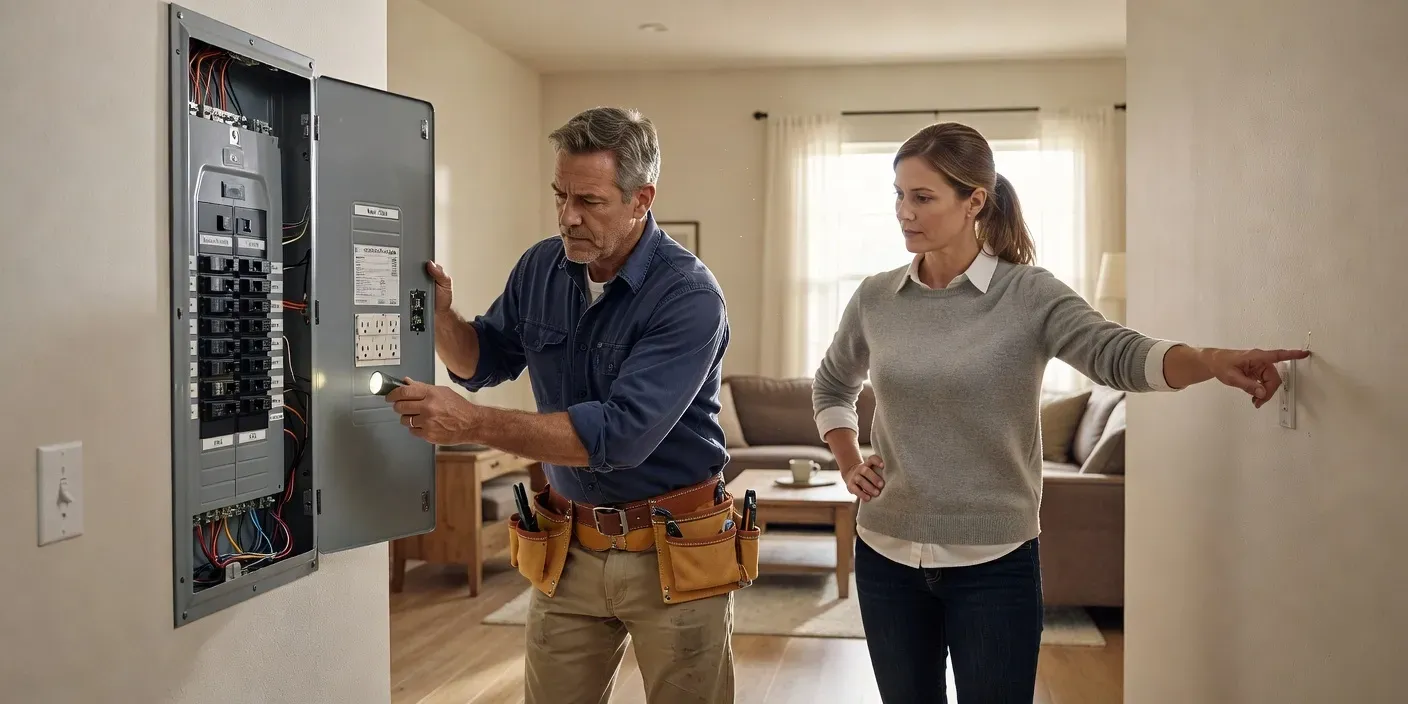
Keep charger disconnect space and a spare breaker slot marked on the panel schedule. Short, straight runs from garage to driveway edge reduce future labor.
Document conduit size and spare conductors in photos before backfill. That record speeds the next permit.
When you are ready to lock the order of panel versus trench, request a site walkthrough so the first dig matches your EV, solar, and battery timeline.
A single trench and feeder plan can still leave room for an EV charger, solar inverter, and battery without forcing a second cut through the yard. In Burleson, Texas, soil, driveway edges, and HOA setbacks make that first path the expensive step, so sizing conduit and spare capacity early protects the rest of the timeline.
Panel headroom and underground routing work together. A 200-amp service with clear breaker space can accept a Level 2 EV charger now while labeled stubs wait for DC-coupled storage or a hybrid inverter later. When the meter-main is already at capacity, the upgrade should lead so the trench only opens once.
Coordinate the order before the excavator arrives so EV Charger / Underground Electric work supports every later add-on.
Frequently Asked Questions
Can one underground electric project support an EV charger and future solar?
Yes. A correctly sized trench, spare conduit, and panel space planned together often serve a Level 2 charger now and solar or battery feeders later. In Burleson, Texas, that single dig avoids a second driveway cut when loads stack and equipment brands are still open.
Should a service upgrade happen before the EV charger trench?
Often yes when the load calculation shows HVAC, range, and charger demand near the service limit. Upgrading first lets the underground path land once. If headroom already exists, empty conduit and labeled stubs still protect solar and battery options without delaying the charger.
What should homeowners document before the trench is backfilled?
Photograph conduit size, depth, sweep locations, pull strings, and spare conductors, and mark spare breaker slots on the panel schedule. Clear records speed the next permit for solar or storage and reduce guesswork for the next crew working the same path.
Preferred Source on Google Search
Add www.burlesonatelectric.com to customize your search feed across Top Stories.