Is Your Outlet Doing Too Much? The Real Dangers of Overloaded Circuits Explained
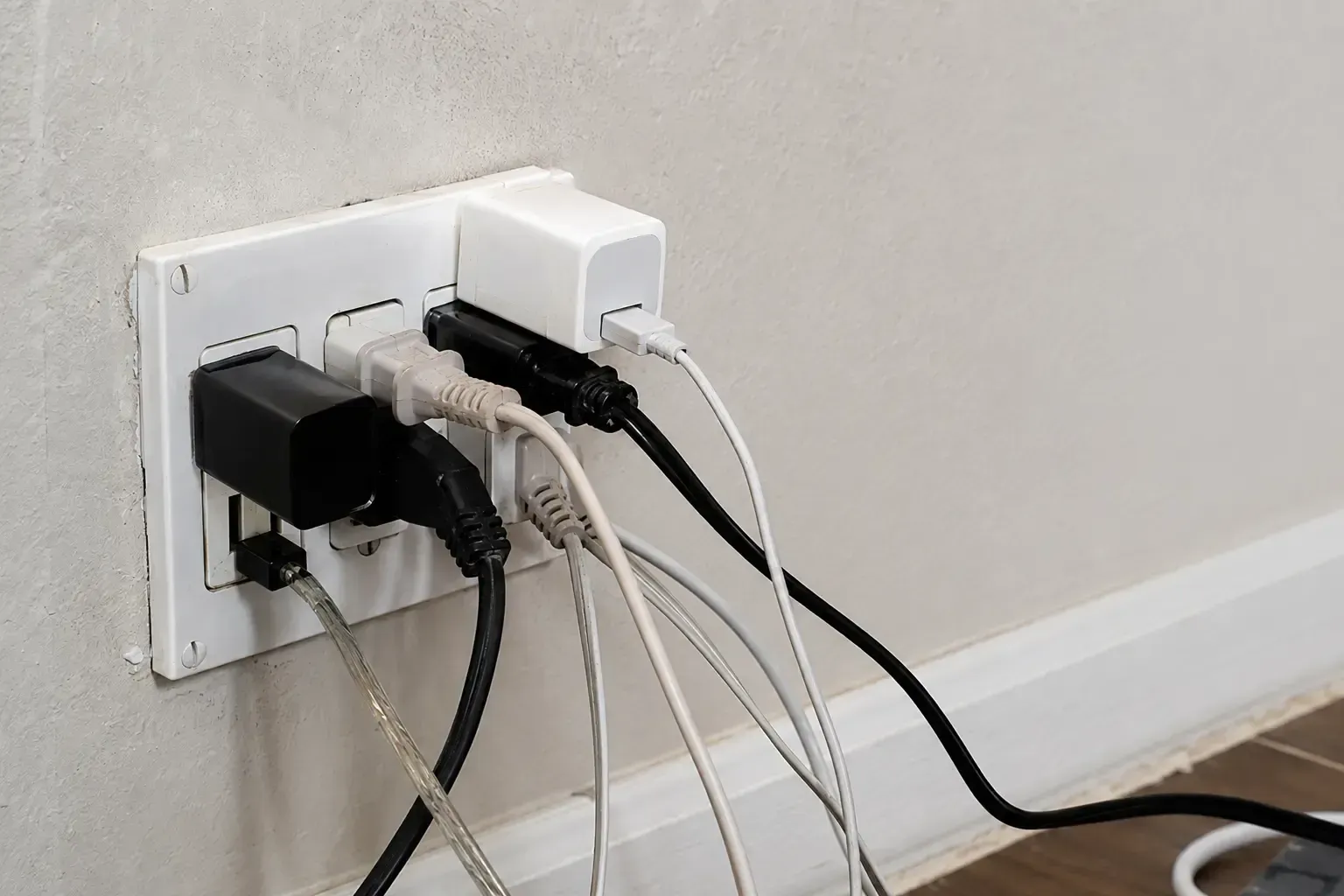
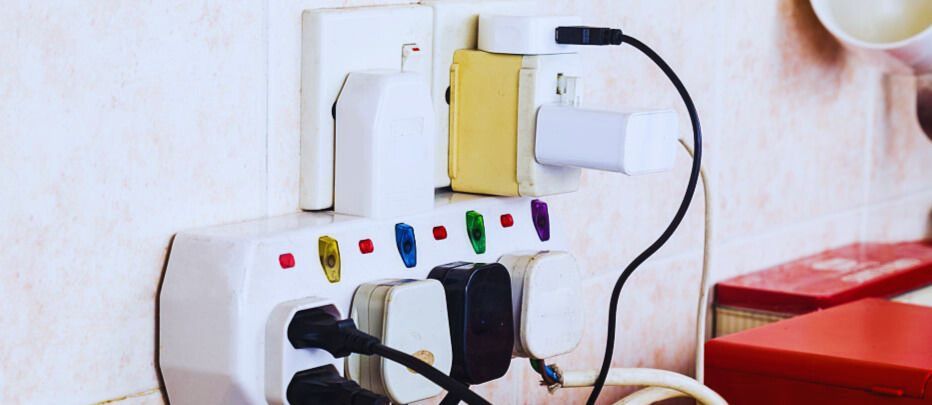
In our modern, device-driven world, the humble electrical outlet is one of the hardest-working features in our homes. We plug in our phones, laptops, coffee makers, televisions, and a dozen other gadgets without a second thought. But have you ever stopped to wonder if that single outlet, or the circuit it's on, is doing too much? Using a power strip to turn one outlet into six might feel like a clever solution, but it could be setting the stage for a dangerous problem: an overloaded circuit.
An overloaded circuit is one of the most common electrical issues homeowners face, yet many don't understand the serious risks involved. It’s more than just a nuisance that trips your breaker; it's a significant fire hazard that can damage your valuable electronics and compromise your family's safety. Here at Burleson AT Electric, we believe that understanding your home's electrical system is the first step toward a safer home. This comprehensive guide will explain what an overloaded circuit is, how to recognize the warning signs, and what you can do to prevent it.
What Exactly Is an Electrical Circuit? A Simple Breakdown
Before we can dive into the dangers of overloading, it's essential to understand what a circuit is. Think of your home's electrical system like the circulatory system in your body. The main electrical panel (or breaker box) is the heart, pumping electrical current throughout your home via pathways of wires (the arteries and veins). These wires lead to outlets, switches, and fixtures, delivering power where it's needed.
A single 'circuit' is one of these specific pathways. For example, all the outlets in your kitchen might be on one circuit, while the lights in your bedrooms are on another. Each circuit is designed to handle a specific maximum amount of electrical current, measured in amperes (amps). This limit is protected by a circuit breaker or fuse in your main panel. If the demand for electricity on that circuit exceeds its safe limit, the breaker 'trips' (shuts off), cutting power to that pathway to prevent overheating and potential fire. It’s a critical safety feature, and a frequently tripping breaker is your system's way of screaming for help.
The Math of Your Electrical System: Understanding Amps, Volts, and Watts
To grasp why circuits get overloaded, you need to know about three key terms: Volts, Amps, and Watts. Let's break them down with a simple analogy: electricity flowing through a wire is like water flowing through a hose.
- Voltage (Volts): This is the pressure that pushes the electricity through the wires. In our analogy, it's the water pressure. Standard U.S. homes operate at 120 volts for most outlets.
- Amperage (Amps): This is the volume of electrical current flowing through the wire. In our analogy, it's the amount of water flowing through the hose. Common household circuits are rated for 15 or 20 amps.
- Wattage (Watts): This is the total amount of power an appliance consumes. It's the product of volts and amps. In our analogy, this is the total power of the water coming out of the hose.
The fundamental formula is: Watts = Volts x Amps
This formula tells you the total capacity of your circuit. For a standard 15-amp circuit in a U.S. home:
120 Volts x 15 Amps = 1,800 Watts
For a 20-amp circuit (often found in kitchens and bathrooms):
120 Volts x 20 Amps = 2,400 Watts
This means a 15-amp circuit can safely provide up to 1,800 watts of power at any given moment. Every device you plug in adds to the total wattage load on that circuit. If the total wattage of all devices running simultaneously exceeds this limit, the circuit becomes overloaded.
Telltale Signs of an Overloaded Circuit
Your electrical system will often give you warning signs before a major problem occurs. Learning to recognize them is crucial for your safety. Be on the lookout for:
- Frequently Tripping Breakers: This is the most obvious sign. If you have to reset a breaker more than once in a while, it's a clear indication that the circuit is regularly being pushed beyond its limit.
- Dimming or Flickering Lights: Do your lights dim whenever you turn on a large appliance like a microwave or a vacuum cleaner? This happens because the appliance is drawing a large amount of power, causing a temporary voltage drop across the entire circuit.
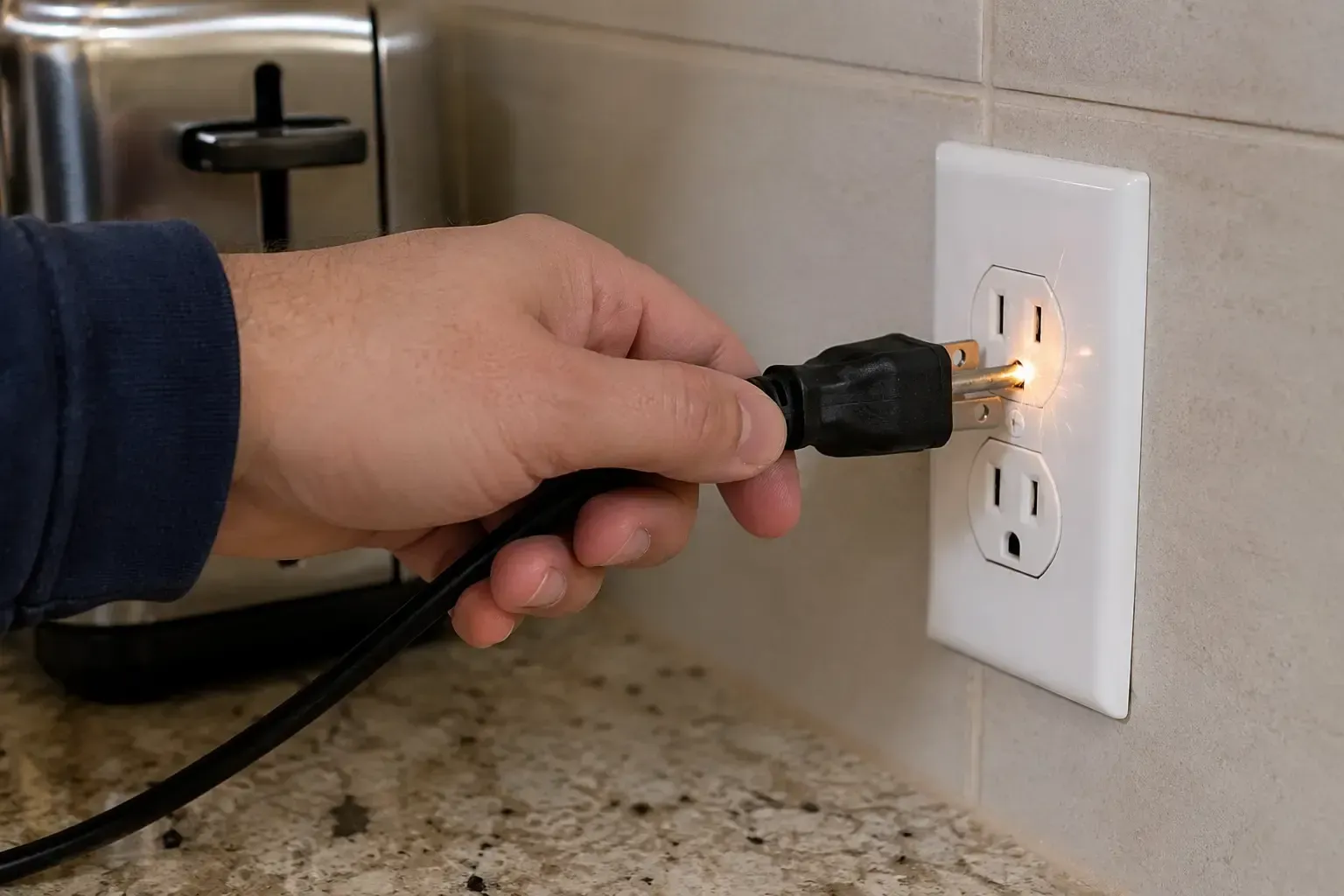
- Buzzing or Crackling Sounds: Outlets or switches should operate silently. Any buzzing, sizzling, or crackling sounds are serious red flags indicating a loose connection or a dangerous overload.
- Warm or Discolored Outlet Faceplates: A slightly warm switch plate for a dimmer is normal, but an outlet or switch that is hot to the touch is not. This heat is a direct result of excessive current, which can melt wires and create a fire risk. Any discoloration (brown or black marks) is a sign of dangerous arcing.
- A Burning Smell: A faint burning odor coming from an outlet or your breaker box is a critical warning. It could be the smell of melting plastic insulation around the wires. If you smell this, shut off the power at the main breaker immediately and call a professional.
The Hidden Dangers: Why You Can't Afford to Ignore the Signs
Ignoring the symptoms of an overloaded circuit is a gamble with potentially devastating consequences. The risks are far more severe than just the inconvenience of a tripped breaker.
1. Fire Hazard
This is the most significant danger. When a circuit is overloaded, the wires inside your walls heat up. This excessive heat can melt the wire's protective plastic insulation. Once the insulation is compromised, the live wire can make contact with surrounding flammable materials like wood framing, insulation, or drywall, sparking a fire that can spread quickly and silently within your walls.
2. Damage to Your Electronics
The fluctuating voltage and inconsistent power supply caused by an overloaded circuit can wreak havoc on sensitive electronics. Computers, smart TVs, gaming consoles, and other smart home devices can suffer permanent damage to their internal components, leading to costly replacements.
3. Risk of Electric Shock
As the insulation on the wires degrades from overheating, it can expose the live electrical conductor. This creates a severe risk of electric shock for anyone who comes into contact with the outlet, appliance, or wiring.
Common Culprits: What's Overloading Your Circuits?
Certain appliances are notorious for drawing a large amount of power. Running two or more of these on the same circuit is a recipe for an overload. Here’s a look at some common high-wattage devices:
| Appliance | Typical Wattage Range |
|---|---|
| Microwave Oven | 1000 - 1800 Watts |
| Space Heater | 750 - 1500 Watts |
| Hair Dryer / Curling Iron | 1200 - 1875 Watts |
| Toaster / Toaster Oven | 800 - 1500 Watts |
| Window Air Conditioner | 1000 - 1500 Watts |
| Coffee Maker | 800 - 1200 Watts |
| Vacuum Cleaner | Vacuum Cleaner |
| Iron | 1000 - 1500 Watts |
As you can see, running a microwave (1200W) and a coffee maker (1000W) at the same time on a single 15-amp (1800W capacity) circuit will immediately overload it. It's often the combination of these power-hungry appliances that causes the problem.
Prevention is Key: How to Avoid Overloading Your Circuits
The good news is that preventing overloaded circuits is straightforward with a little knowledge and planning.
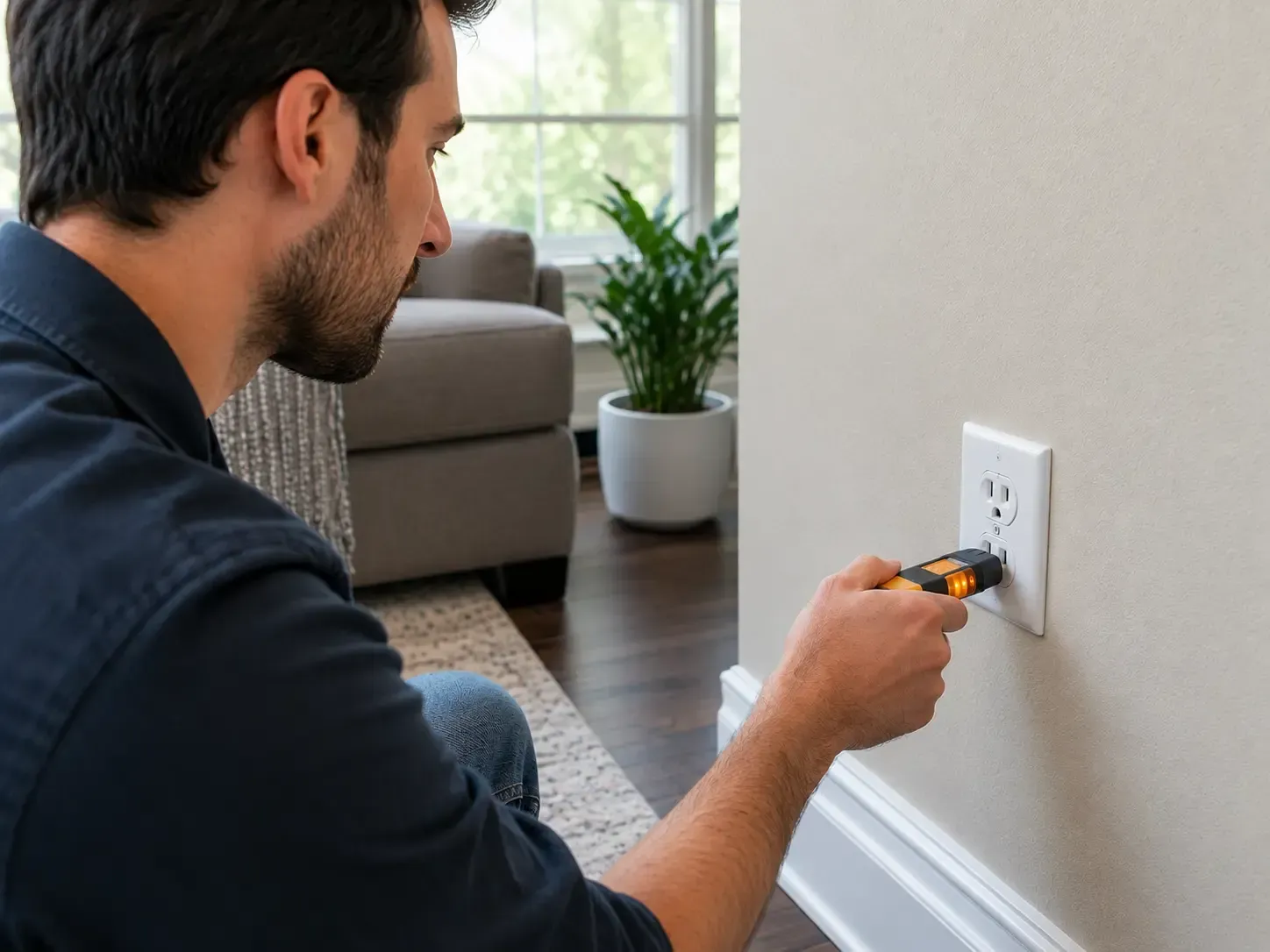
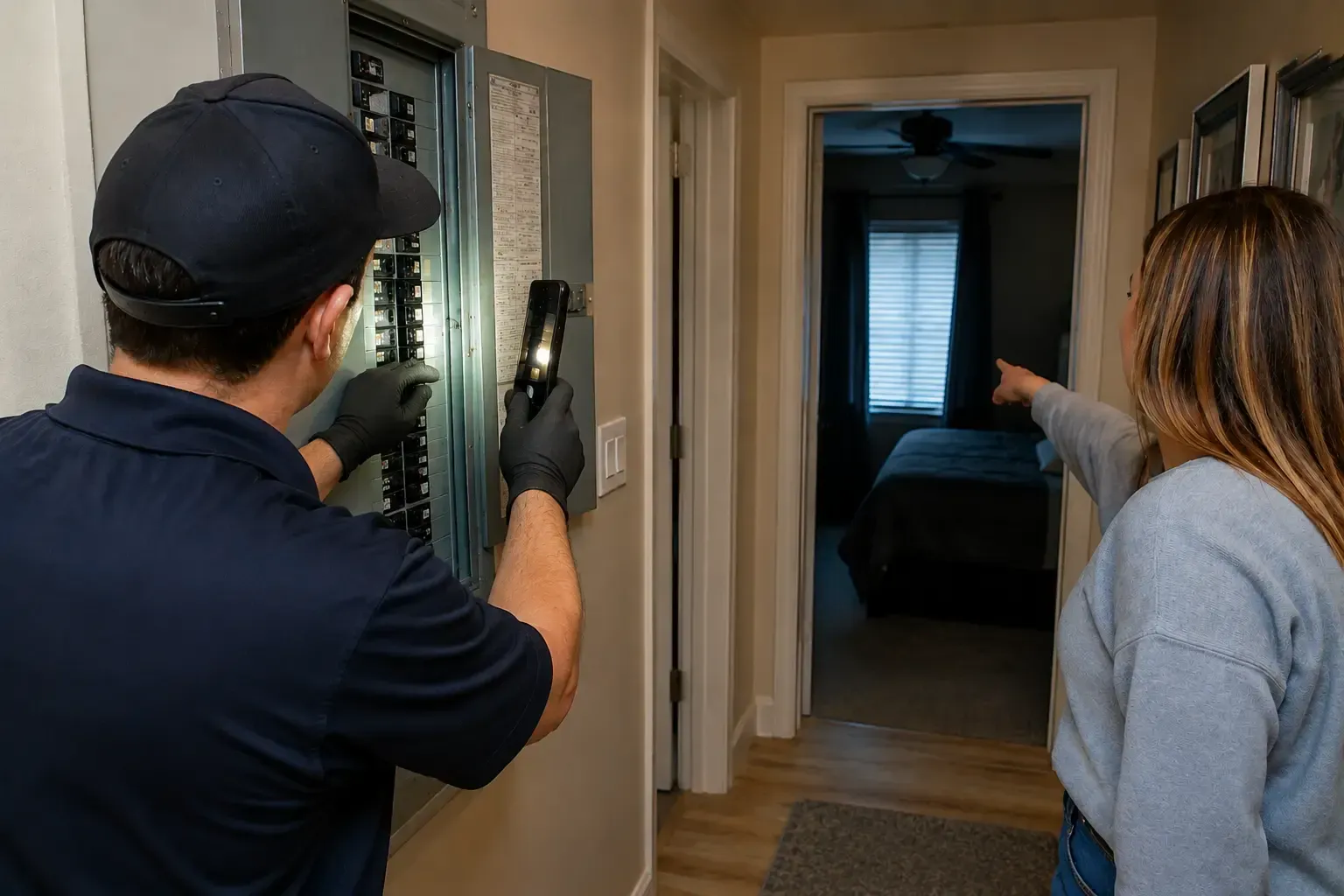
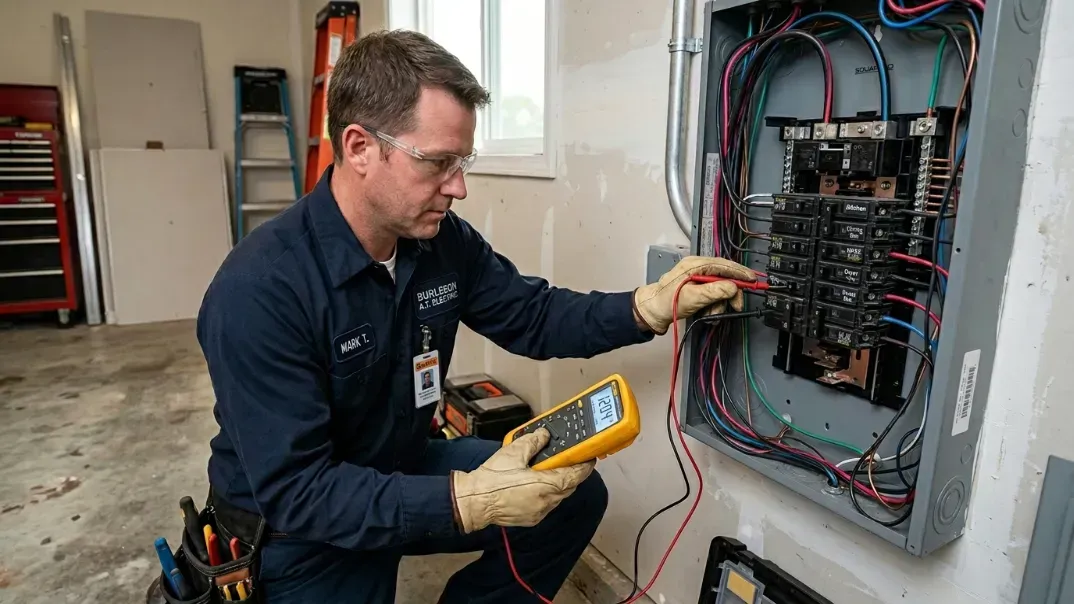
- Map Your Circuits: Take some time to figure out which outlets and lights are connected to each breaker in your panel. You can do this by turning off one breaker at a time and testing the outlets in your home. This knowledge will help you distribute your high-wattage appliances more evenly.
- Distribute Your Appliances: Once you know your circuit layout, avoid plugging multiple high-power devices into the same circuit. For example, make sure your portable heater is on a different circuit from your entertainment center.
- Use Power Strips Wisely: A power strip does not increase the amount of power a circuit can provide; it only increases the number of things you can plug into a single outlet. They are fine for multiple low-power devices like a computer, monitor, and phone charger, but never plug a space heater or other high-wattage appliance into one.
- Consider a Home Electrical Inspection: If you live in an older home or are constantly dealing with tripped breakers, it may be time for a professional inspection. The standards and demands on electrical systems have changed drastically over the years. An expert can assess if your system is up to code and can handle your modern lifestyle.
When to Call a Professional Electrician
While you can manage your appliance usage, some issues require professional expertise. DIY electrical work is extremely dangerous if you're not trained. It's time to call a qualified electrician like the team at Burleson AT Electric if you experience:
- Breakers that trip immediately after being reset.
- Any signs of burning, scorching, or melting around outlets or switches.
- Persistent buzzing sounds from your electrical panel or outlets.
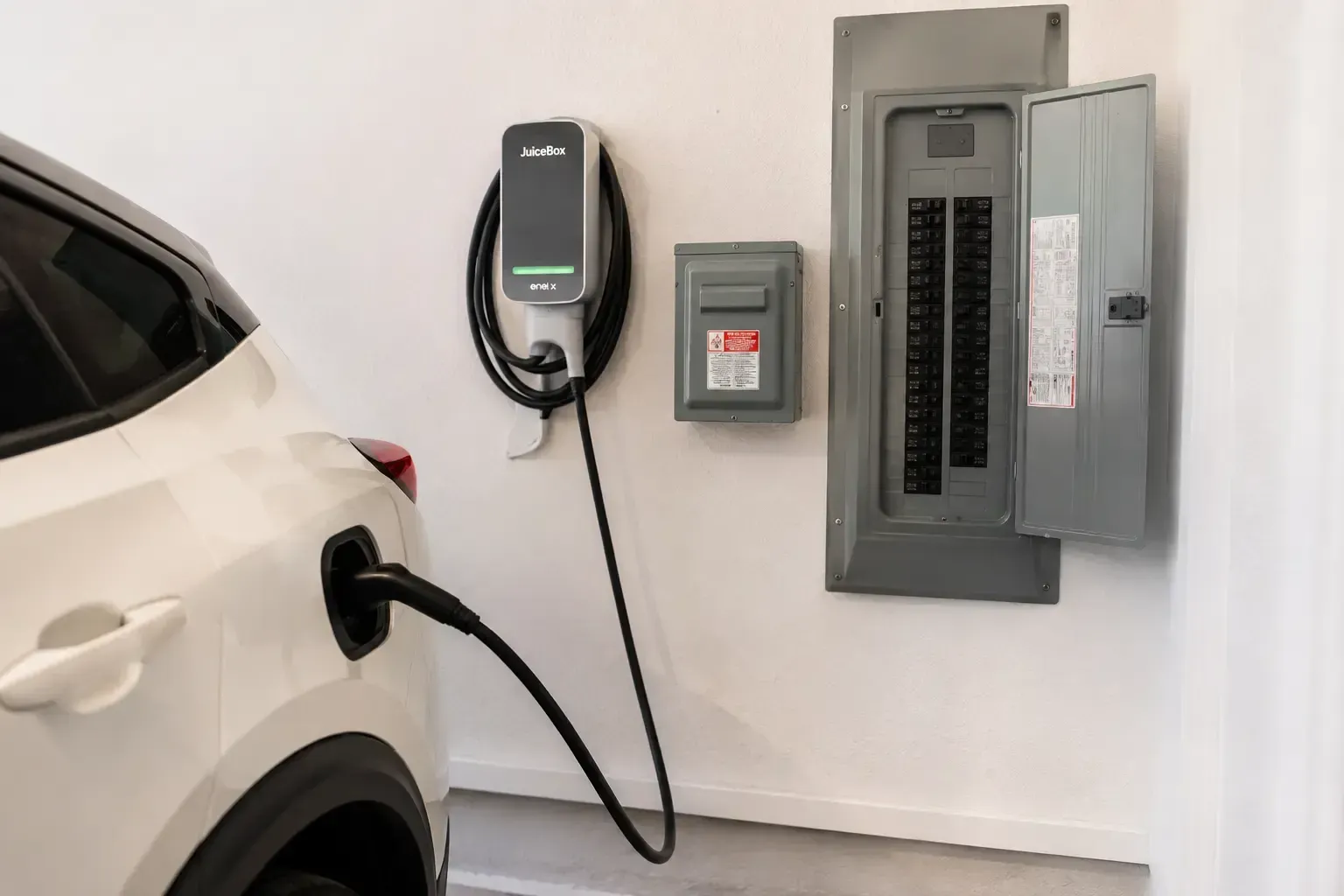
- You need a dedicated circuit installed for a major appliance like a new oven, hot tub, or EV charger.
- You're planning a renovation, especially in a kitchen or bathroom where power demands are high.
Our team of certified electricians offers a wide range of electrical services to ensure your home is safe and your system is robust. You can learn more about our commitment to safety and quality on our website.
Conclusion: Don't Overlook Your Overloads
Your home's electrical system is its lifeline, and treating it with respect is paramount to your safety. An overloaded circuit is a clear warning sign that should never be ignored. By understanding the basics of how your circuits work, recognizing the signs of trouble, and strategically managing your appliance use, you can prevent most overload situations. However, for persistent problems or any signs of electrical danger, the safest choice is always to seek professional help. If you have any concerns about your home's electrical system, please don't hesitate to contact us. The team at Burleson AT Electric is here to provide the peace of mind that comes with a safe and reliable electrical system.
Frequently Asked Questions
What's the difference between an overloaded circuit and a short circuit?
An overloaded circuit occurs when too many devices draw more power than the circuit is designed for, causing the wires to overheat slowly. A short circuit happens when a 'hot' wire touches a 'neutral' or 'ground' wire, creating a new, low-resistance path. This causes a massive and instantaneous surge of current that trips the breaker immediately to prevent a fire.
Are power strips a safe way to add more outlets?
Power strips are safe when used correctly for low-power devices like computers, printers, and phone chargers. However, they do not increase the circuit's capacity. Plugging high-power appliances like space heaters, microwaves, or coffee makers into a power strip is extremely dangerous as it can overload both the strip and the circuit, creating a major fire hazard.
How do I know which outlets are on the same circuit?
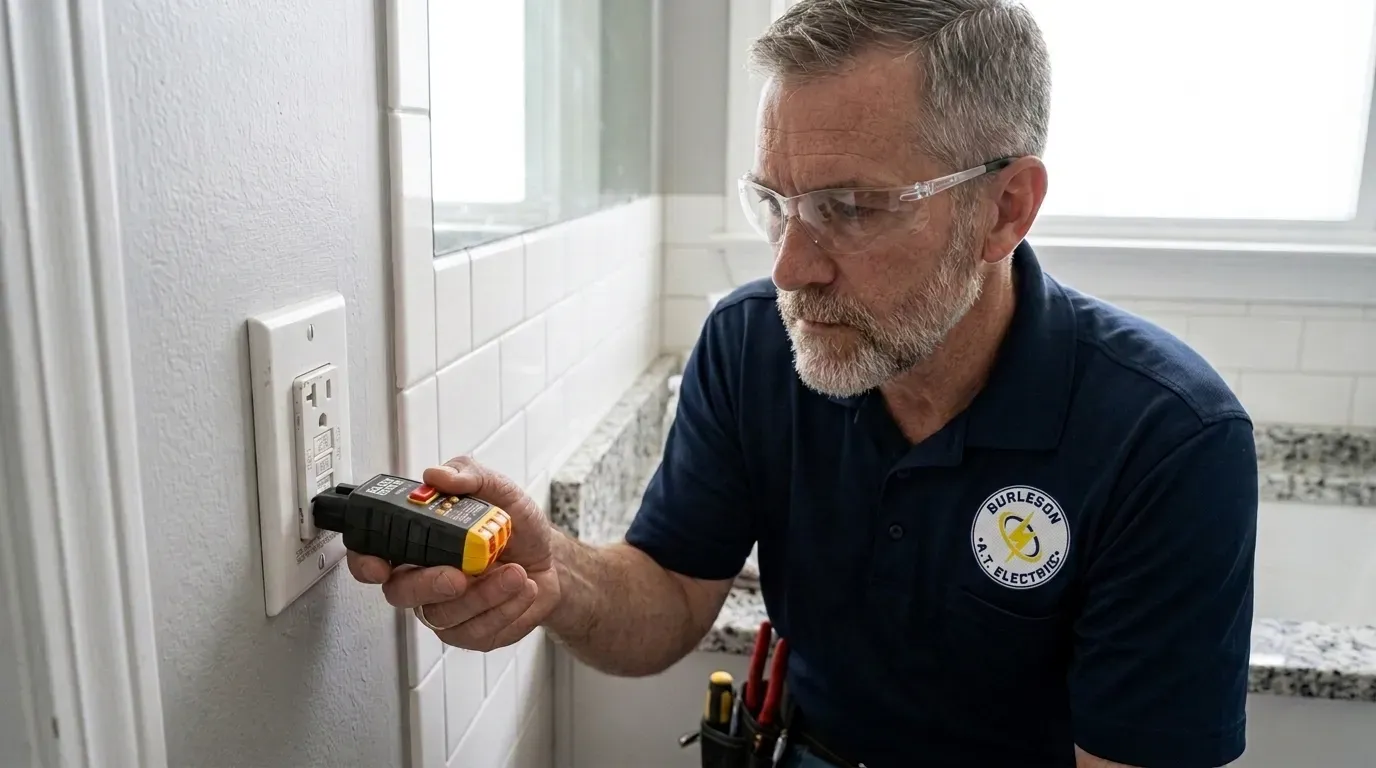
The most straightforward way is to map your breaker box. Turn off a single breaker, then go through your house with a small lamp or an outlet tester to see which outlets and lights have lost power. Label the breaker in your panel accordingly (e.g., 'Kitchen Outlets,' 'Master Bedroom Lights'). Repeat for all breakers.
Can I just replace a 15-amp breaker with a 20-amp one to stop it from tripping?
Absolutely not. This is incredibly dangerous and a serious code violation. The breaker's amperage rating is matched to the gauge (thickness) of the wires in your walls. A 15-amp breaker protects 14-gauge wire. If you install a 20-amp breaker on that circuit, you'll allow more current to flow through the wires than they can safely handle. The wires will overheat, creating a severe fire risk long before the new breaker ever trips.