
What Type of Circuit Does an EV Charger Need at Home?
Key Takeaways and Insights
Installing a home EV charger requires a clear understanding of electrical capacity, safety rules, and dedicated circuit specifications. Most daily drivers need a dedicated 240-volt Level 2 circuit connected to a 40-amp, 50-amp, or 60-amp breaker to achieve reliable overnight charging speeds. Upgrading your electric panel and utilizing a licensed electrician ensures your property remains safe, code-compliant, and ready for the future of transportation.
Level 2 Speed Requires 240 Volts: A standard outlet charges too slowly, making a dedicated 240-volt circuit essential for adding 20 to 45 miles of range per hour.
The 80 Percent Rule is Critical: To prevent electrical fires, a continuous EV charger load must never exceed 80 percent of your circuit breaker's maximum rating.
Safety Demands Professional Installation: Installing high-voltage dedicated circuits is highly dangerous, making licensed electricians necessary for safe wiring, proper wire gauging, and local code compliance.
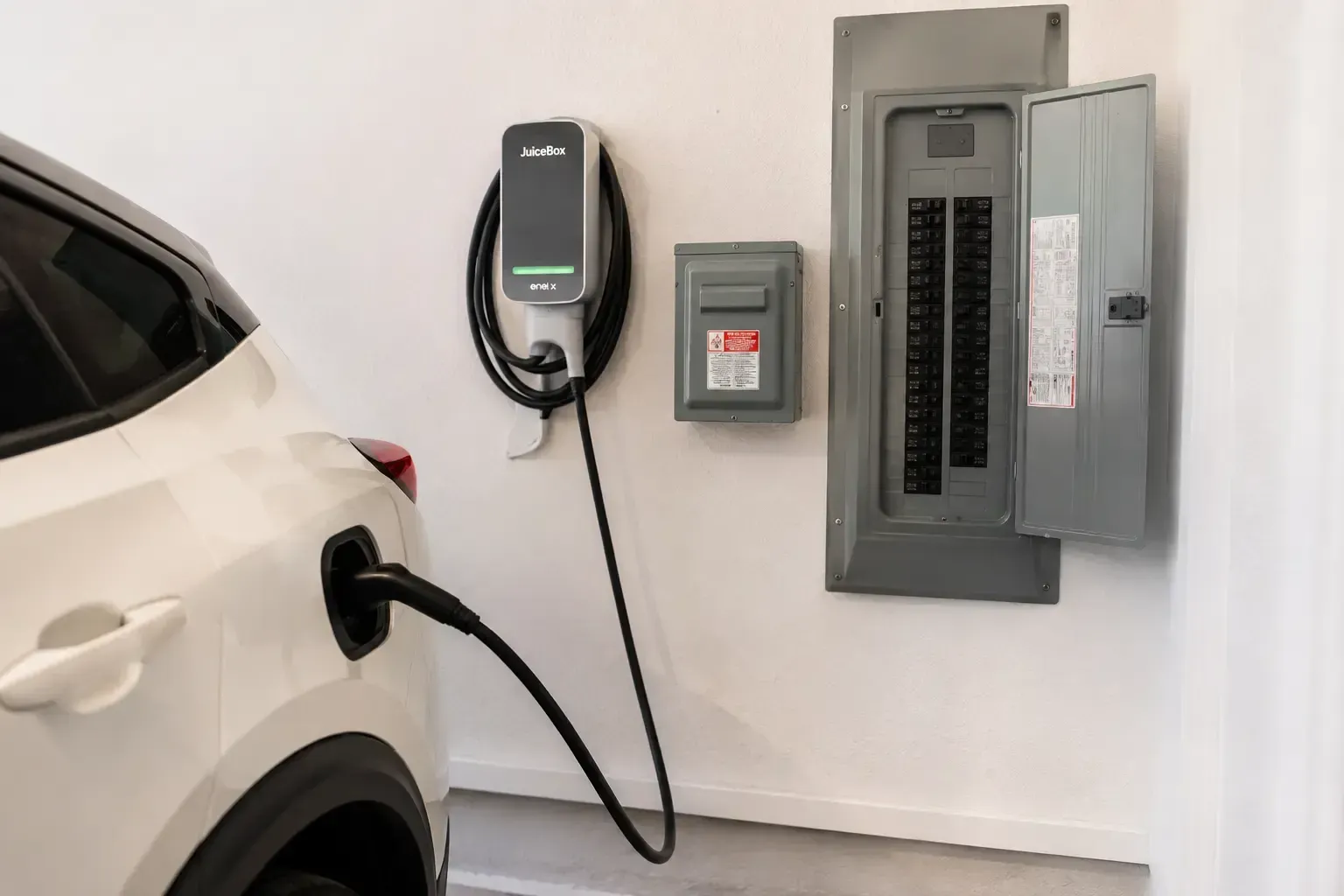
Buying an electric vehicle brings excitement and a completely new driving experience. It also brings new questions about your residential power needs. Many drivers assume they can simply plug their new car into any wall socket. This approach works for very slow charging. However, daily drivers quickly realize they need a more robust, dedicated circuit.
If you live in Burleson, Texas, you might wonder what specific electrical upgrades your property requires. A proper charging setup keeps your household safe from fire hazards. It also ensures your car battery is fully prepared for your morning commute. We will break down exactly what type of circuit your new electric vehicle charger requires to operate safely and efficiently.
Level 1 vs. Level 2 EV Charging Circuits
The type of circuit you need depends entirely on how fast you want to charge your vehicle. There are two primary levels of residential charging to consider.
Level 1 Charging Basics
Level 1 charging uses a standard 120-volt outlet. You likely have these outlets on every wall inside your house. This basic method requires a standard 15-amp or 20-amp household circuit. The major downside to this setup is the charging speed. A Level 1 connection adds only about three to five miles of driving range per hour. It can take several days to fully charge a depleted battery. This is rarely enough power for drivers with moderate to long daily commutes.
Level 2 Charging Basics
Level 2 charging requires a much larger 240-volt circuit. This is the exact same type of heavy-duty circuit used for large home appliances. Think about the power required to run your electric clothes dryer or your oven. A Level 2 station charges your car substantially faster. You can expect to add 15 to 40 miles of range per hour of charging.
To achieve this impressive speed safely, you must schedule a professional EV charger installation. Your electric vehicle will need its own dedicated circuit. A dedicated circuit guarantees that no other devices draw power from that specific breaker. This isolation prevents overloaded panels and potential fire hazards.
Upgrading Your Electric Services for EV Chargers
Adding a continuous 240-volt charger drastically changes your daily home power load. Older homes in Burleson often feature standard 100-amp electrical panels. Modern households filled with smart appliances usually require at least 200-amp panels. You must strongly consider upgrading your Electric Services before buying a high-speed charger.
The charger pulls a heavy, continuous electrical load for many hours at a time. If your charger shares a circuit with your garage lighting or deep freezer, the breaker will trip constantly. You will need a specific breaker size for your chosen charging hardware. Most popular Level 2 home chargers require a 40-amp, 50-amp, or 60-amp dual-pole breaker.
The breaker size dictates the maximum amount of power the charger can safely deliver to the vehicle. A 50-amp circuit is currently the most popular choice for standard home installations. It provides an excellent balance of overnight charging speed and initial installation cost. Our experienced team at Burleson AT Electric routinely evaluates residential power systems. We help local homeowners determine exactly what their current panel can handle safely.
Dedicated Circuit Specifications Explained
Choosing the correct breaker is only the first step. The physical wiring must match the power output perfectly to ensure home safety.
Wire Gauge Requirements
Wire gauge is just as important as the breaker size. Electrical wires carry the physical current from your main panel to the charger location. Thicker wires handle higher electrical currents safely. A 40-amp circuit requires 8 AWG wire. A 50-amp circuit needs thicker 6 AWG wire. A 60-amp circuit requires even thicker 4 AWG wire. Using wires that are too thin causes the copper to overheat quickly. This is a severe fire hazard that compromises your entire home. Professional electricians strictly follow these sizing rules.
The 80 Percent Rule
You must also understand the 80 percent rule for circuit loads. The National Electrical Code classifies electric vehicle chargers as continuous loads. A continuous load operates at maximum electrical current for three hours or more.
The safety rule states a continuous load cannot exceed 80 percent of the total circuit rating. If you install a 50-amp breaker, your charger can only safely output 40 amps of power. If you want a full 48-amp maximum charging speed, you must install a larger 60-amp breaker. This mathematical calculation protects the internal wall wiring from melting under sustained heat.
Let us look at a detailed breakdown of standard residential charging setups.
| Circuit Breaker Size | Required Wire Gauge | Max Charger Output (80% Rule) | Estimated Range Added Per Hour |
|---|---|---|---|
| 20-Amp (120V Level 1) | 12 AWG | 16 Amps | 3 to 5 miles |
| 40-Amp (240V Level 2) | 8 AWG | 32 Amps | 20 to 25 miles |
| 50-Amp (240V Level 2) | 6 AWG | 40 Amps | 25 to 30 miles |
| 60-Amp (240V Level 2) | 4 AWG | 48 Amps | 35 to 45 miles |
Hardwired vs. Hardwired vs. Plug-in Charger Setup Options
When planning your circuit, you must decide between hardwired and plug-in charging units. This choice affects your circuit installation layout directly.
A plug-in charger requires a specific 240-volt wall receptacle. The most common type is a NEMA 14-50 outlet. This heavy-duty outlet looks exactly like the one behind an electric kitchen range. It offers flexibility for the homeowner. You can simply unplug the charging unit and take it with you if you move to a new house. However, plug-in units max out at 40 amps of charging output. They require a 50-amp circuit and a special GFCI breaker in most local jurisdictions.
A hardwired charger connects directly to the electrical panel wires. There is no wall plug and no visible outlet. This permanent method offers several distinct advantages. Hardwired units can handle up to 48 amps of continuous output. This setup allows for the fastest possible residential charging speeds. Hardwired setups also eliminate the need for an expensive GFCI breaker. The charger unit itself handles all the necessary ground fault protection.
Furthermore, hardwired connections are generally safer for daily use. Standard wall outlets can wear out over time from repeated plugging and unplugging. A hardwired connection remains highly secure and permanent inside a weather-proof junction box. If you want a 60-amp circuit for maximum speed, you must choose a hardwired charger.
Signs You Need an Electrical Panel Upgrade First
Sometimes, a simple dedicated circuit addition is physically impossible. Your existing electrical panel might be full of breakers. It might also be operating at its maximum total power capacity. How do you know if you need a panel upgrade first?
First, look at your main breaker switch. If it reads 100 or 150 amps, you likely need a service upgrade. Modern Texas homes with central electric heat and large appliances leave very little room for a new 50-amp car charger.
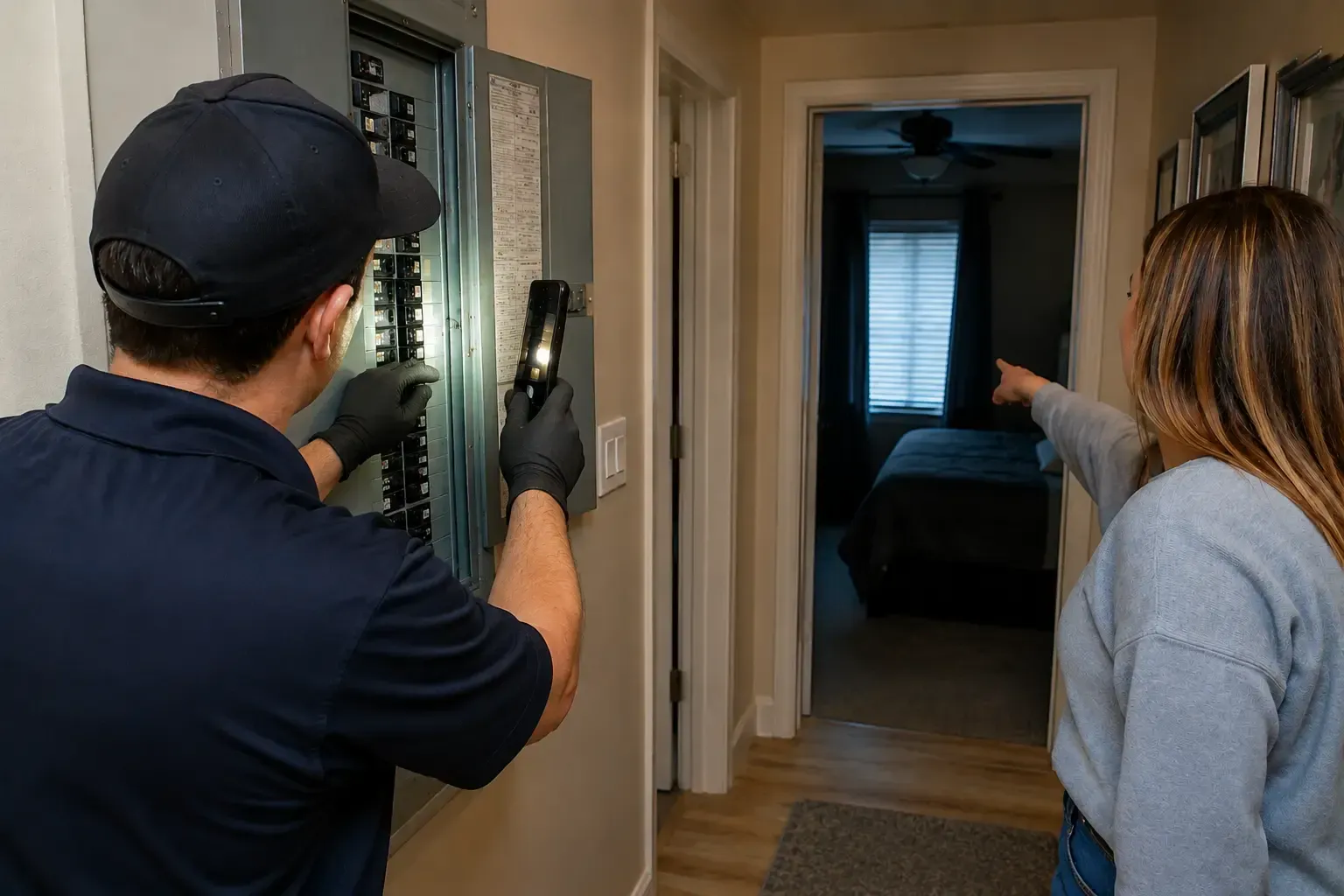
Second, check your panel for double-tapped breakers. This situation occurs when two separate wires are connected to a single breaker. This setup violates building codes and clearly indicates a lack of available panel space.
Third, pay close attention to flickering indoor lights. If your kitchen lights dim noticeably when the air conditioner turns on, your system is heavily strained. Adding an electric vehicle charger will only worsen this existing issue. A professional panel upgrade provides a fresh and safe foundation for your home power needs. It creates plenty of room for an EV circuit and future household additions. Our licensed experts handle these complex panel replacements safely throughout Burleson, TX 76028.
Professional Installation vs. DIY Risks
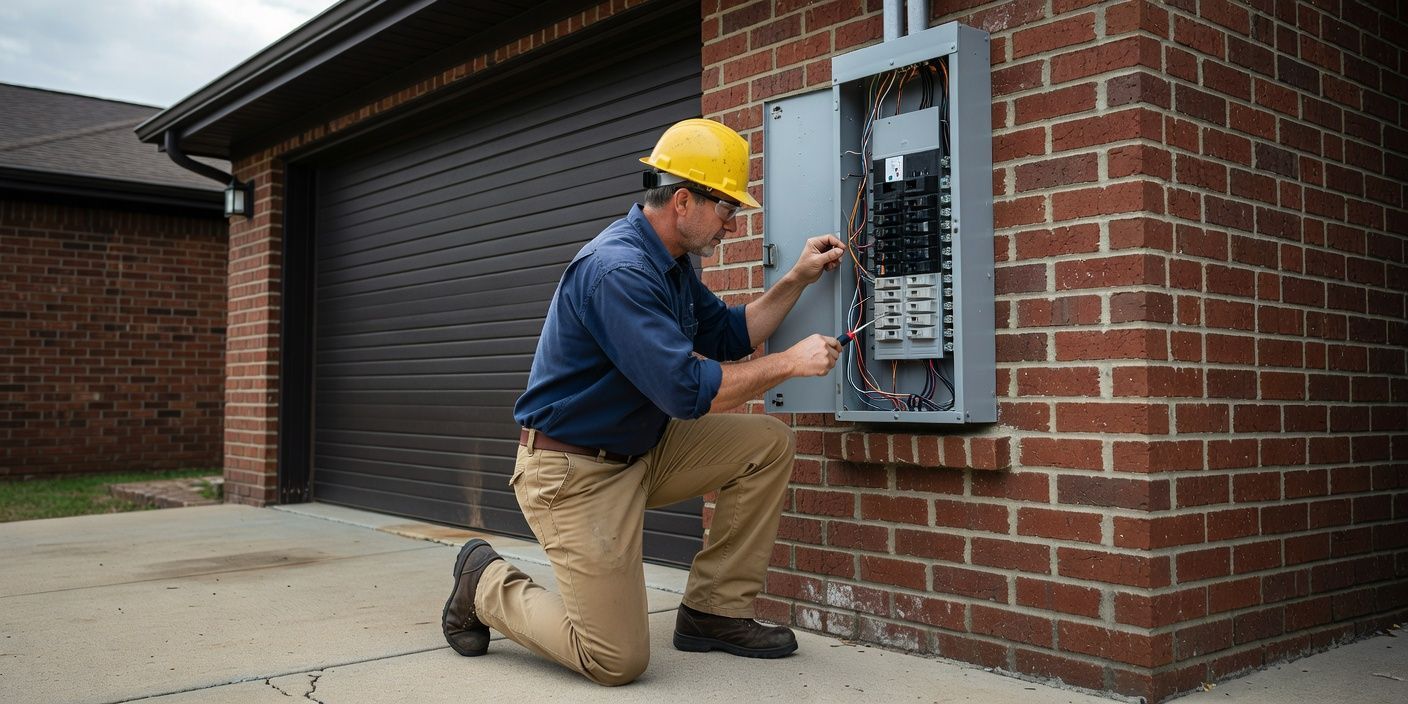
Installing a new 240-volt dedicated circuit is never a weekend project for beginners. Electricity is highly dangerous and unforgiving. A small amateur mistake can lead to fatal shocks or massive property damage.
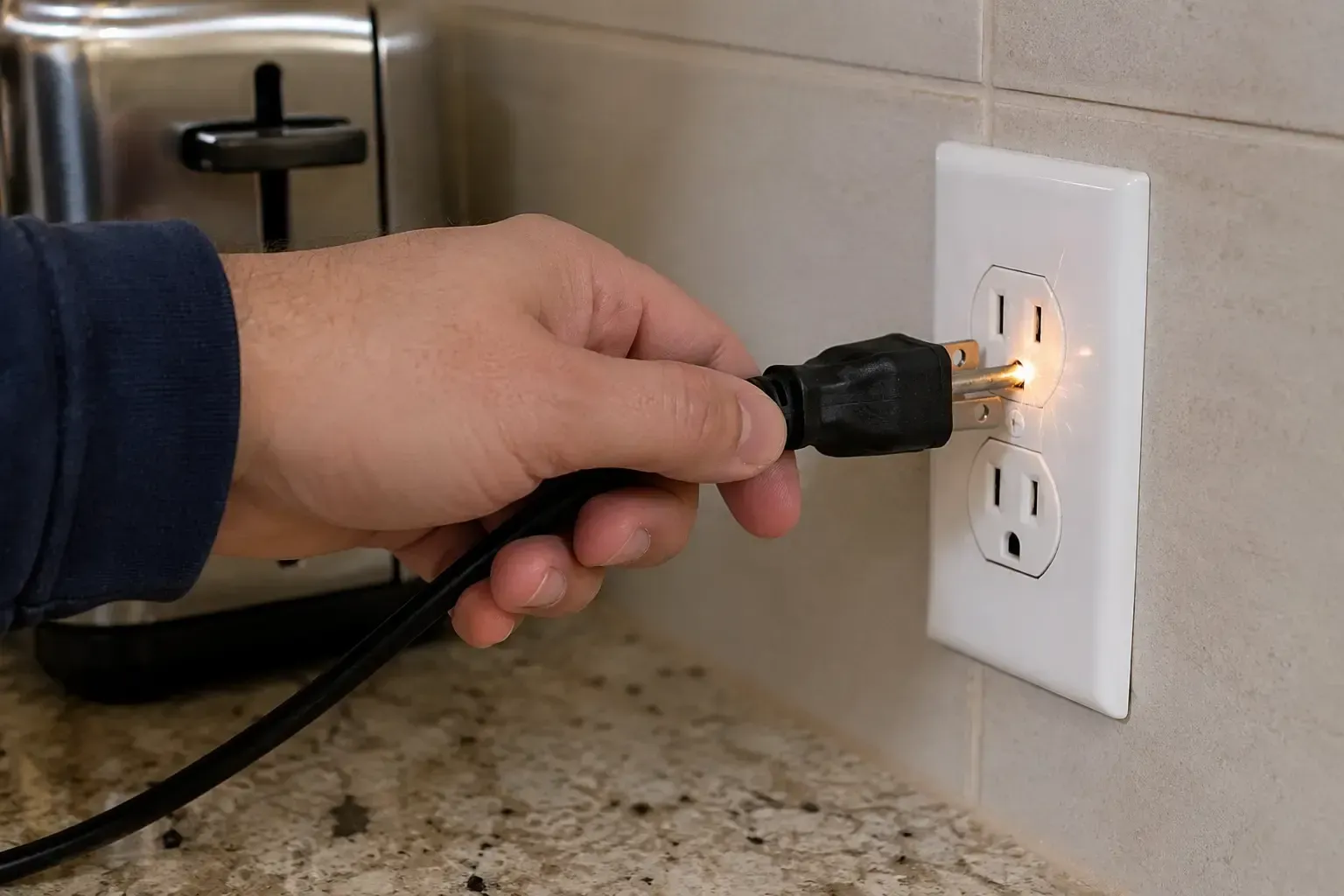
Electric vehicle chargers pull immense amounts of power for very long durations. A slightly loose wire connection will generate intense heat over several hours of charging. This trapped heat will eventually start a silent electrical fire inside your garage walls.
Furthermore, unpermitted electrical work violates local building codes. If a DIY installation causes a residential fire, your insurance company will likely deny the damage claim. A licensed electrician guarantees strict code compliance from start to finish. We pull the necessary city permits and arrange all required municipal safety inspections. This process gives you complete peace of mind.
We also ensure your expensive charging equipment is properly grounded. Proper grounding protects your vehicle electronics from unexpected municipal power surges. You should never risk your family home or your new car just to save a few dollars on installation labor.
Environmental and Financial Benefits of Home Charging
Upgrading your home circuit for an EV charger offers incredible long-term benefits. Home charging is significantly cheaper than relying on commercial public charging stations. You simply pay standard residential electricity rates.
Many local utility companies in Texas now offer special EV charging discount plans. These targeted plans provide much lower rates for charging during off-peak nighttime hours. Having a dedicated 240-volt home circuit allows you to take full advantage of these daily cost windows. You can fully charge the car battery while you sleep for pennies on the dollar.
A professionally installed charger also adds distinct value to your residential property. As electric vehicles become increasingly common on the road, homebuyers actively look for charging capabilities. A modern electrical panel and a ready-to-use dedicated EV circuit make your home highly attractive to future buyers. Investing in the right electrical circuit upfront saves you valuable time and money for years to come.
Frequently Asked Questions
How much does it cost to install a dedicated circuit for an EV?
The cost varies based on your home layout and the distance from the electrical panel to the garage. Simple installations typically range from $500 to $1,200. If you require a full electrical panel upgrade to support the new circuit, the cost will increase significantly. You can always contact us directly for an accurate local estimate.
Can I plug my EV charger into a regular outlet?
Yes, you can plug a Level 1 charger into a standard 120-volt household outlet. However, this method only provides about three to five miles of range per hour of charging. Most daily drivers find this speed too slow and eventually upgrade to a dedicated 240-volt Level 2 circuit.
How long does a typical charger installation take?
A standard dedicated circuit installation usually takes a professional electrician between two and four hours to complete. If your home requires trenching for an external detached garage or a main panel replacement, the project can take a full day.