
Planning a Home Renovation in Burleson Texas? What Every Homeowner Needs to Know About Electrical Upgrades
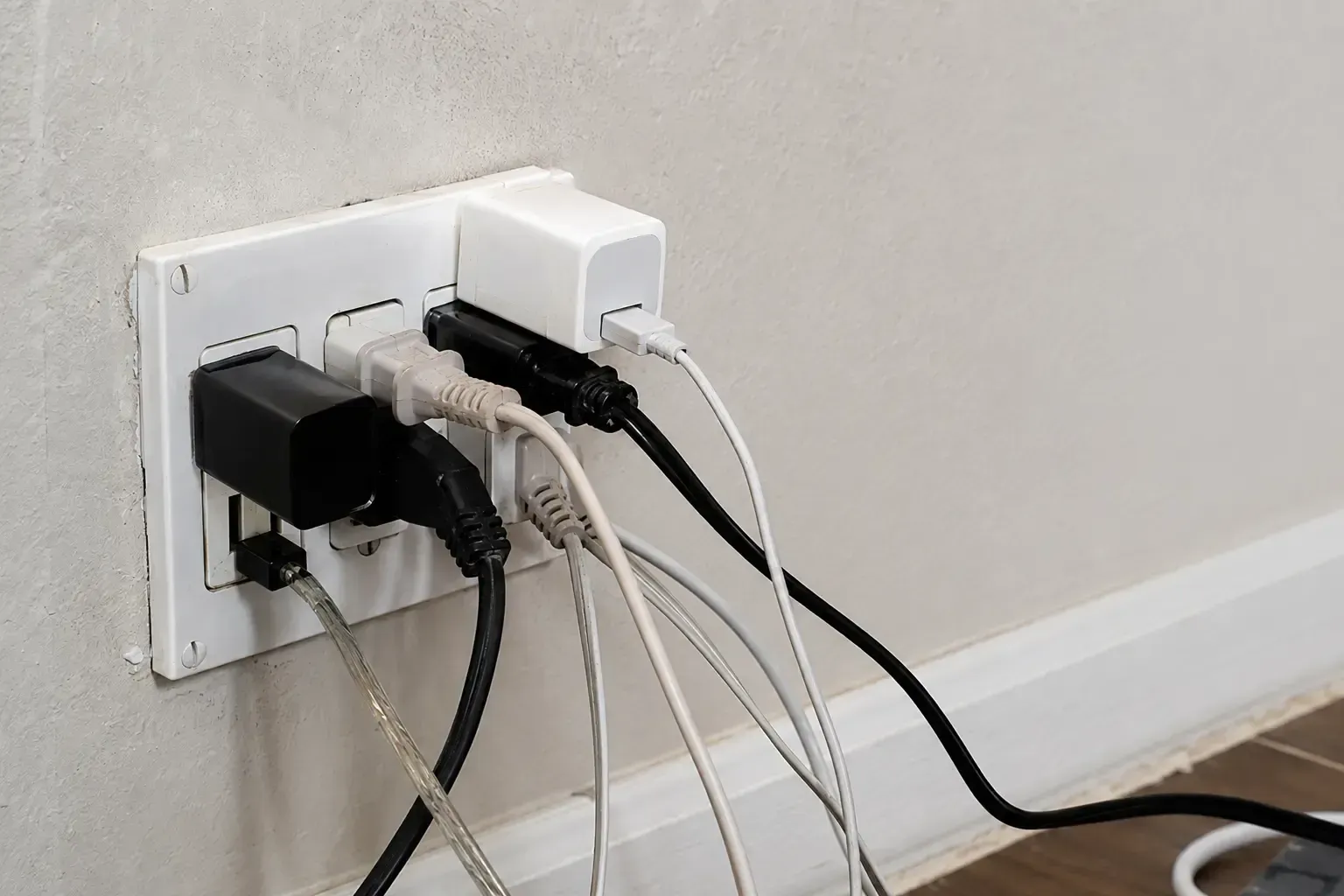
Does Your Burleson Home Need an Electrical Upgrade?
Understanding your starting point:
Signs Your Electrical System is Inadequate
Obvious Red Flags:
- Breakers trip frequently
- Lights dim when major appliances run
- Only 100-amp or smaller service
- Fuses instead of breakers (very old)
- Two-prong outlets (no ground)
- Limited outlets (built before modern code)
- Flickering lights throughout house
- Buzzing sounds from panel
Renovation-Specific Indicators:
- Planning major kitchen remodel
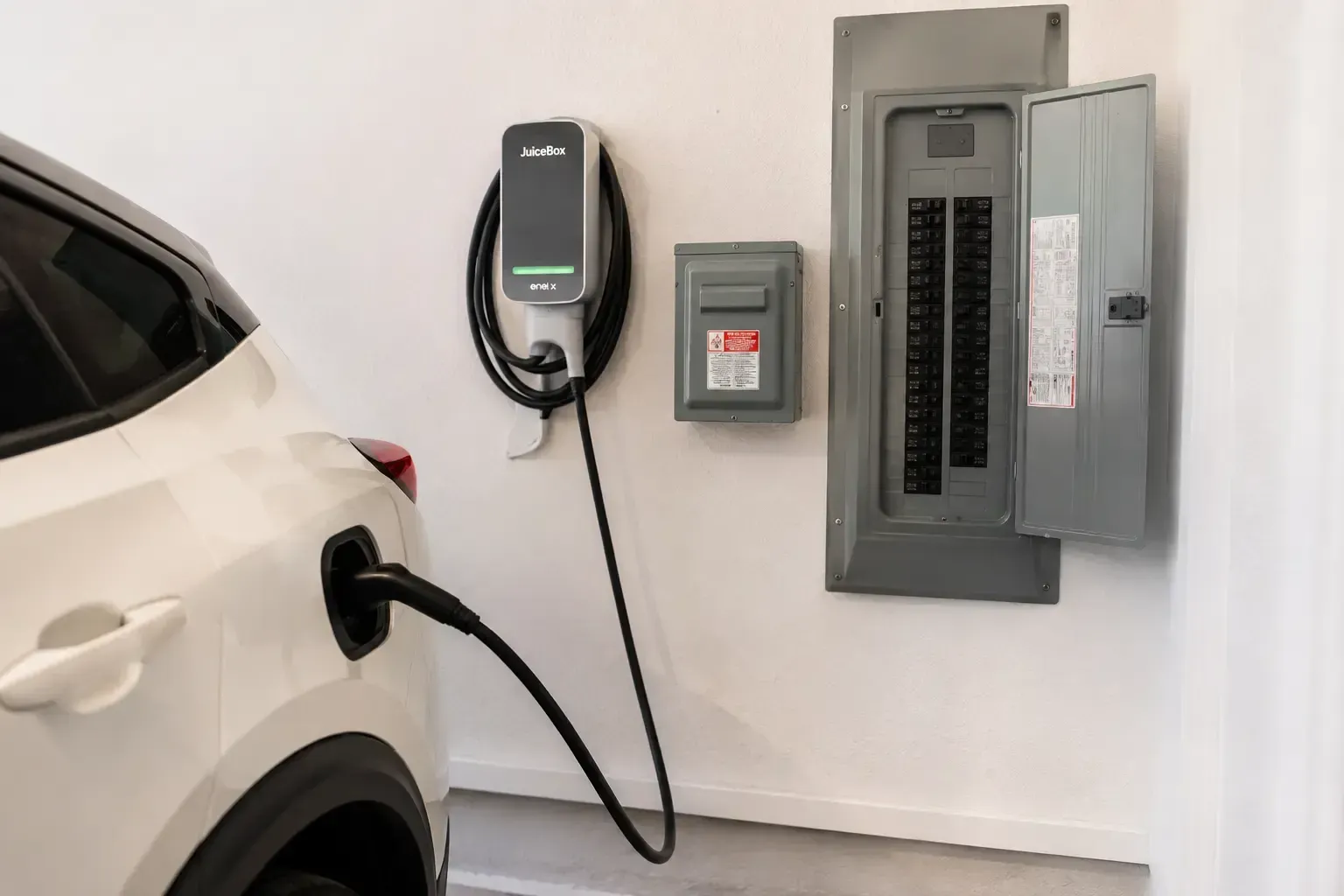
- Adding EV charger
- Installing central AC (if currently window units)
- Finishing basement or attic
- Adding square footage
- Smart home installation planned
Burleson Housing Ages:
- Pre-1980: Almost certainly needs work
- 1980-2000: May need upgrades
- 2000+: Usually adequate (but verify)
Understanding Electrical Capacity
Service Size:
- 60-100 Amps: Outdated, insufficient for modern living
- 150 Amps: Borderline, depends on needs
- 200 Amps: Modern standard, handles most everything
- 400 Amps: Large homes, very high demand
What Uses Significant Power:
- Central AC: 20-30 amps
- Electric range: 40-50 amps
- EV charger: 40-60 amps
- Electric dryer: 20-30 amps
- Water heater: 20-30 amps
- Hot tub: 40-60 amps
Math: Add up demands, needs to stay under 80% of panel capacity for safety.
Reality Check: 100-amp panel can't safely handle modern kitchen + EV charger + AC + everything else.
Load Calculation: The Professional Answer
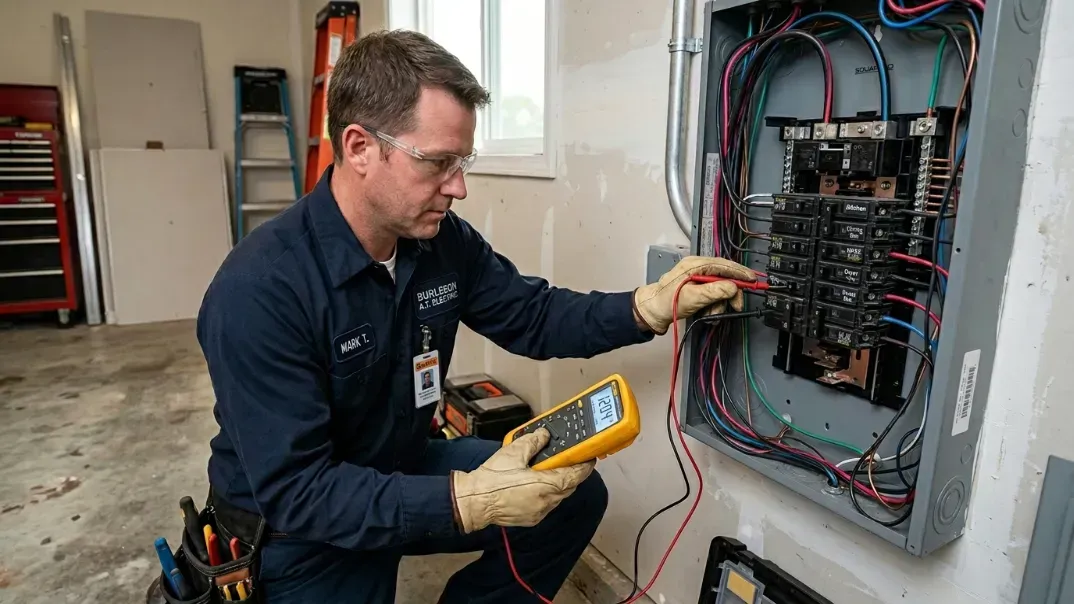
What It Is: Licensed electrician calculates your actual electrical needs.
Considers:
- Existing appliances and systems
- Planned additions
- Square footage
- Future needs (EV, additions, pool)
- Safety margins
Result: Definitive answer on whether upgrade needed.
Cost: Often free with quote, or $150-300 standalone
Value: Prevents guessing, ensures adequate capacity, required for permits.
Electrical Requirements for Common Burleson Renovations
Kitchen Remodels
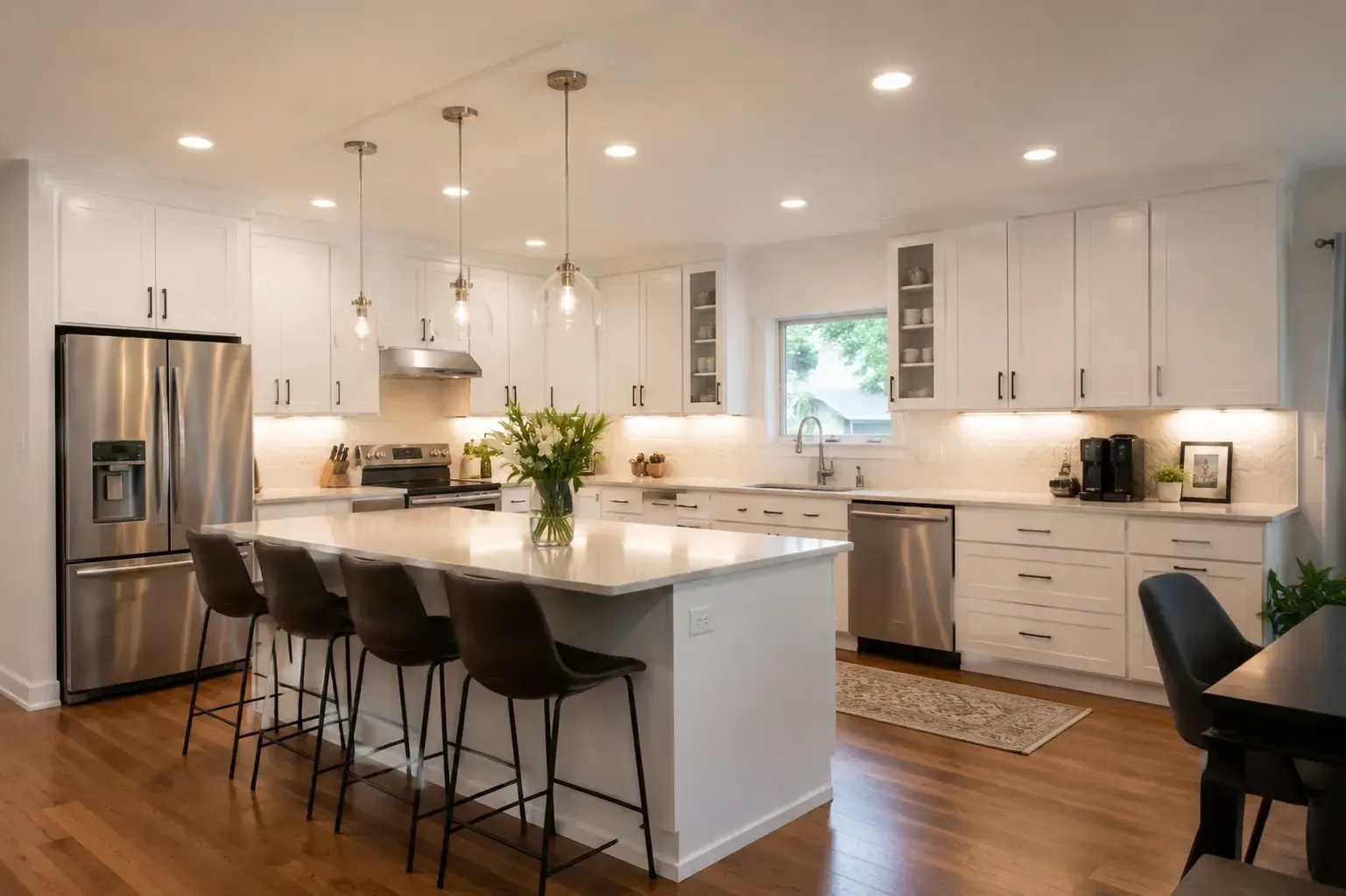
Modern Kitchen Electrical Needs:
- 2 small appliance circuits (20-amp each)
- Dishwasher circuit (15-20 amp)
- Disposal circuit (15-20 amp)
- Refrigerator circuit (15-20 amp dedicated)
- Microwave circuit (20 amp)
- Range/cooktop circuit (30-50 amp, 240V)
- Lighting circuit
- Additional outlets every 4 feet on counters
Total: 7-10 dedicated circuits minimum
Why So Many: Code requires, prevents overloading, allows simultaneous appliance use.
Burleson Context: Most pre-1990 kitchens have 2-3 circuits. Not remotely adequate for modern use.
Typical Cost: $1,500-4,000 for full kitchen electrical
What's Included:
- New circuits from panel
- All required outlets
- GFCI protection
- Appliance circuits
- Under-cabinet lighting
- Pendant/task lighting
- Permits and inspection
Often Requires: Panel upgrade if existing system maxed out.
Bathroom Renovations
Bathroom Electrical Requirements:
- GFCI outlets (required, can't be on lighting circuit)
- Dedicated circuit for outlets
- Separate lighting circuit
- Ventilation fan circuit (may share with lighting)
- Heated floor circuit (if installing)
- Additional outlets for hair dryers, etc.
Minimum: 2-3 circuits
Typical Cost: $800-2,000
Burleson Note: Many older homes have bathroom outlet on same circuit as hall light. Not to code for remodels.
Special Considerations:
- Wet location requirements
- GFCI protection mandatory
- Proper ventilation
- Heated floors popular in Burleson (cold mornings despite Texas location)
Home Additions
Electrical for Addition:
- Full electrical for new space
- Lighting, outlets, switches
- HVAC circuit if extending/adding system
- Dedicated circuits as needed
- Tie into existing panel or subpanel
Cost: $2,000-6,000+ depending on size
Panel Consideration: Addition often tips existing service over capacity.
Permits Required: All addition electrical work needs Burleson permits.
Planning Tip: Add 20% more circuits than you think you need. Cheaper to do during construction than retrofit.
Finishing Basements or Attics
Electrical Needs:
- Adequate outlets (code requirement)
- Proper lighting
- AFCI protection (required for bedrooms)
- HVAC circuits
- Possible subpanel for remote location
Considerations:
- Difficult wire routing in finished spaces
- Insulation and air sealing around electrical
- Proper fixture ratings (IC-rated in attics)
Cost: $1,500-4,000 for typical space
Burleson Attics: Hot as blazes in summer. Electrician works early morning or late evening during summer months.
Outdoor Living Spaces
Popular in Burleson:
- Covered patios
- Outdoor kitchens
- Pool and hot tub areas
- Landscape lighting
- Security cameras
Electrical Requirements:
- GFCI outlets (required for outdoor)
- Weatherproof boxes and covers
- Dedicated circuits (especially outdoor kitchens)
- Proper wire burial depth
- Low-voltage lighting transformers
Cost: $800-3,000 depending on scope
Hot Tub/Pool: Requires 240V dedicated circuit, subpanel, GFCI protection. ($1,000-2,500)
EV Charging: Planning for Your Electric Vehicle
Growing need in Burleson suburbs:
Understanding EV Charging Levels
Level 1 (Standard Outlet):
- Uses regular 120V outlet
- Adds 3-5 miles of range per hour
- Adequate only for plug-in hybrids or low mileage
- No special electrical needed
Level 2 (Home Charging):
- 240V dedicated circuit
- Adds 25-40 miles of range per hour
- Charges overnight easily
- What most EV owners need
- Requires electrical installation
Level 3 (DC Fast Charging):
- Commercial/public charging only
- Not practical for home installation
What Level 2 Installation Requires
Electrical Needs:
- 240V circuit (same as electric dryer)
- 40-60 amp capacity
- Dedicated circuit (nothing else on it)
- NEMA 14-50 outlet OR hardwired charger
- Proper breaker in panel
- Often 20-100 feet of wire run
Where You're Installing:
- Garage (most common)
- Carport
- Driveway (exterior installation)
Distance Matters: Further from panel = more expensive (more wire).
Panel Capacity for EV Charging
The Math:
- EV charger: 40-50 amps
- Your AC: 30 amps
- Electric range: 40 amps
- Everything else: 40-60 amps
- Total: 150-180 amps
Problem: 100-amp panel can't handle this safely.
Solution: Upgrade to 200-amp service.
Many Burleson Homes: EV charger installation triggers panel upgrade need.
EV Charger Installation Costs
NEMA 14-50 Outlet Only: $500-1,000
- You plug in portable charger
- Flexibility to move charger
- Standard outlet installation
Hardwired Charger: $800-1,500
- Charger permanently installed
- Cleaner look
- Slightly more efficient
- Charger cost separate (you buy or electrician provides)
With Panel Upgrade: Add $1,800-3,500
Permits: Usually required in Burleson
Tesla-Certified Installers: Available but generic electrician often fine and more flexible.
Future-Proofing
Planning Ahead:
- Wire for 60 amps even if installing 40-amp charger (future flexibility)
- Consider two EV chargers if two-car household
- Locate strategically (where will you park EVs?)
Burleson Context: EV adoption growing. Adds resale value having charger installed properly.
Smart Home Electrical Considerations
Popular upgrades in modern Burleson homes:
What Smart Devices Need Electrically
Smart Switches:
- Require neutral wire (many older homes lack this)
- Standard switch box depth
- Load compatibility (LED, CFL, etc.)
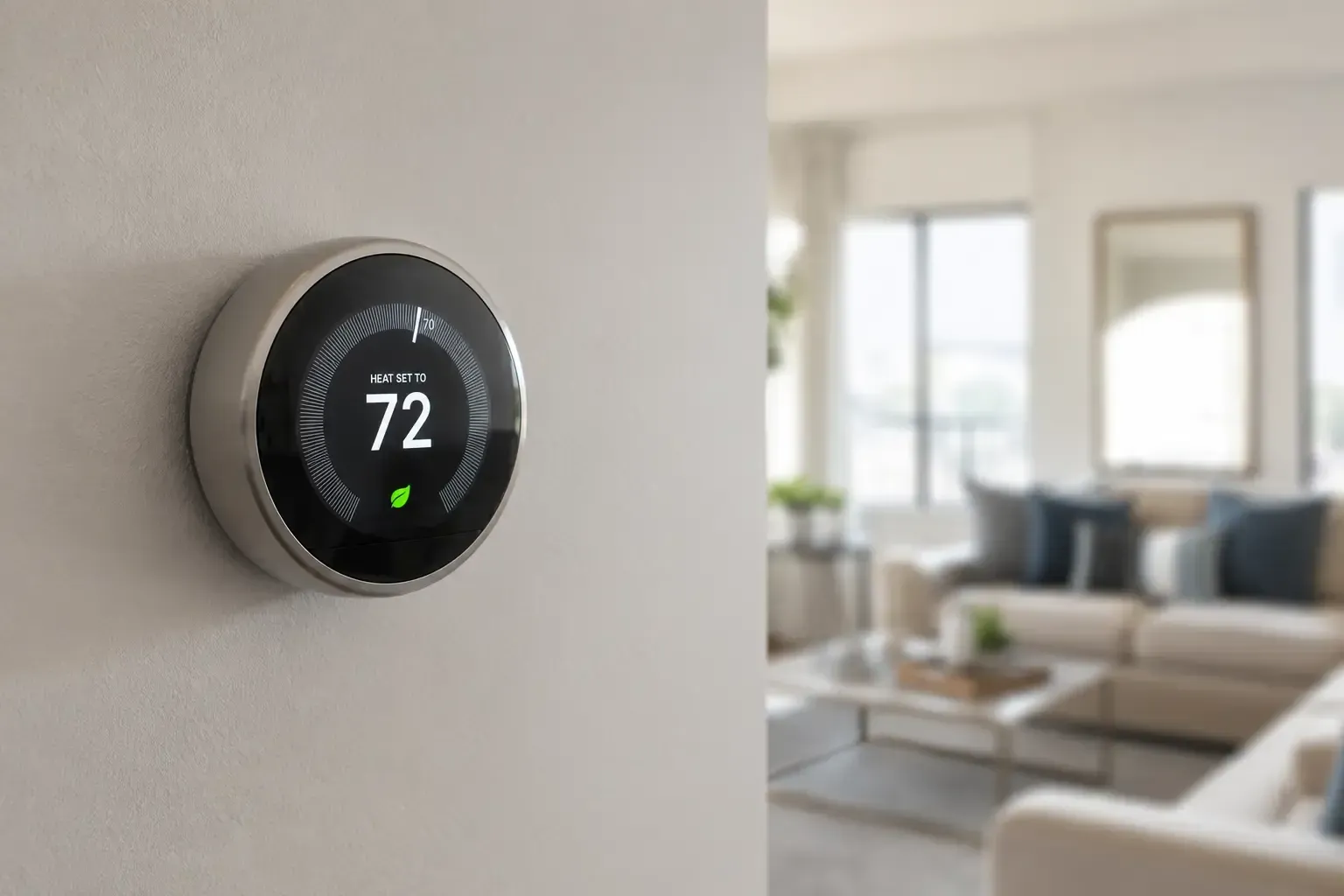
Smart Thermostats:
- C-wire (common wire) needed for most
- Older thermostats often only have 4 wires
- May need wire added
Smart Outlets:
- Usually work with existing wiring
- Deeper boxes helpful
Smart Doorbells:
- Require doorbell transformer (may need upgrade)
- Adequate voltage
Security Systems:
- Low-voltage wiring
- Power for cameras
- Hub location planning
The Neutral Wire Problem
Many Homes Pre-2000: Switch boxes have only hot wire and switch leg. No neutral.
Modern Smart Switches: Need neutral to power electronics.
Solutions:
- Run new wire to switches (expensive in finished homes)
- Use smart switches that don't require neutral (limited options)
- Smart bulbs instead of switches (workaround)
Cost to Add Neutrals: $100-250 per switch location (finished walls) or $50-100 during renovation.
Best Time: Add during any remodel when walls open.
Whole-Home Smart Planning
If Going Full Smart Home:
- Plan hub location (central, near router)
- Ensure adequate power where needed
- Consider dedicated circuit for networking equipment
- Plan camera locations and power
- Voice assistant locations
Cost: $2,000-5,000 for comprehensive smart wiring in existing home
During Renovation: Add 20-30% to accomplish same thing.
Burleson New Construction: Much easier to build in from start.
When Panel Upgrades Are Necessary vs. Optional
Understanding the difference:
Absolutely Necessary When:
Safety Issues:
- Federal Pacific or Zinsco panel (fire hazards)
- Rust, corrosion, or damage
- Breakers won't stay reset
- Burn marks or melted components
- Improper modifications
Capacity Issues:
- Currently overloaded (breakers trip frequently)
- Can't add needed circuits
- Load calculation shows inadequate capacity
- EV charger + existing loads exceed capacity
Code Requirements:
- Remodel requires bringing to code
- Adding square footage
- Changing occupancy use
Strongly Recommended When:
Lifestyle Upgrades:
- Adding EV charger to already-full panel
- Major kitchen remodel on 100-amp service
- Installing hot tub or pool equipment
- Central AC addition to home without it
Age:
- Panel 40+ years old
- Outdated technology
- Limited circuit capacity
Resale Value:
- Selling home with 100-amp service
- Outdated panel deters buyers
- Inspection often flags old panels
Optional/Future Planning:
You're Fine For Now But:
- Might add EV in 2-3 years
- Considering addition eventually
- Panel has some capacity, not maxed
Strategy: Ask electrician to "rough in" for future. Run conduit, leave capacity, install when needed.
Coordinating Electrical with General Contractor
Making renovation smooth:
Timeline for Electrical Work
Phase 1 - Planning (Before Demo):
- Meet with electrician
- Discuss plans and needs
- Load calculation
- Preliminary quote
- Order long-lead items (panel, specialty equipment)
Phase 2 - Rough-In (Walls Open):
- Run all new wiring
- Install boxes
- Panel work if needed
- Inspection before closing walls
Phase 3 - Finish (After Walls Closed):
- Install outlets, switches, fixtures
- Connect appliances
- Test everything
- Final inspection
Typical Duration:
- Panel upgrade: 1-2 days
- Kitchen rough-in: 2-3 days
- Finish work: 1-2 days
Communication Between Trades
Electrician Needs from GC:
- Access to work areas
- Walls opened as agreed
- Plumber coordination (don't block electrical routes)
- HVAC coordination (location of equipment)
- Clear schedule
GC Needs from Electrician:
- On-time for rough-in
- Inspection scheduled promptly
- Finish work coordinated with other trades
Your Role: Ensure both are communicating. Delays happen when trades don't coordinate.
Change Orders
Electrical Changes Common:
- "Can we add outlet here?"
- "Actually, let's move that switch"
- "Let's add under-cabinet lighting"
Cost Impact: Changes after rough-in = expensive. Decide before wiring.
Burleson Tip: Walk the space during rough-in, verify outlet/switch locations. Moving them after drywall costs 3-4x more.
Permits and Inspections in Burleson
Understanding requirements:
What Requires Permits
Always Need Permit:
- Panel upgrades or replacement
- Service changes
- Adding circuits
- Remodel/renovation electrical
- New construction
- Additions
Usually Don't Need Permit:
- Replacing outlets/switches
- Replacing light fixtures
- Minor repairs
Gray Area:
- EV charger installation (check with city)
When Uncertain: Licensed electrician knows requirements.
Burleson Permit Process
Who Pulls Permit: Licensed electrician (master electrician can pull permits independently).
Cost: $50-200 (included in electrical quote usually)
Process:
- Electrician submits plans
- City reviews and approves
- Permit issued
- Work completed
- Inspection scheduled
- Inspector verifies code compliance
- Approval or corrections needed
Timeline: Permit approval 1-5 days typically.
Inspections: Usually one for rough-in, one for final.
Budgeting for Electrical in Your Burleson Renovation
Planning costs:
Typical Electrical Costs as % of Project
Kitchen Remodel: 8-12% of total budget
- $30,000 kitchen = $2,400-3,600 electrical
Bathroom Remodel: 5-8% of total budget
- $15,000 bathroom = $750-1,200 electrical
Home Addition: 10-15% of total budget
- $50,000 addition = $5,000-7,500 electrical
Whole-Home Renovation: 10-12% of total budget
When to Increase Electrical Budget
Add 20-40% If:
- Panel upgrade needed (+$2,000-3,500)
- Home pre-1980 (unknowns common)
- Extensive smart home integration
- EV charger installation
- Outdoor kitchen/entertainment area
Hidden Electrical Costs
Often Overlooked:
- Temporary power during construction ($200-500)
- Drywall repair after electrical work ($300-1,000)
- Trenching for outdoor/pool electrical ($500-2,000)
- Upgrading to LED throughout ($300-1,000)
- Surge protection ($300-600)
Budget Wisely: Add 15-20% contingency for electrical surprises.
Frequently Asked Questions
Do I need to upgrade my electrical panel for a kitchen remodel?
Most Burleson homes built before 1990 need panel upgrades for major kitchen remodels. Modern kitchens require 7-10 dedicated circuits; older homes typically have 2-3. If your home has 100-amp service (common pre-1985), upgrade to 200-amp necessary for kitchen appliances plus existing home loads.
Can I add EV charger without upgrading electrical panel?
Maybe, depends on existing panel capacity and current loads. EV charger requires 40-60 amp dedicated 240V circuit. If your Burleson home has 200-amp service with available capacity (panel not maxed out), charger can be added without upgrade.
How much does electrical cost for kitchen remodel in Burleson?
Kitchen electrical in Burleson costs $1,500-4,000 depending on scope and existing conditions. Includes: 7-10 dedicated circuits, all required outlets (code requires many), GFCI protection, appliance circuits (range, dishwasher, disposal, microwave), under-cabinet lighting, pendant/task lighting, permits and inspection. Variables: kitchen size, existing electrical condition (older homes cost more), panel upgrade needed (add $1,800-3,500), specialty lighting, smart home integration. Most Burleson homes pre-1990 need additional $500-1,500 for panel upgrades or major updates.
What electrical upgrades add most value to Burleson homes?
Highest-value electrical upgrades for Burleson homes: panel upgrade to 200-amp ($1,800-3,500, modern standard), EV charger installation ($800-2,500, growing demand), whole-house surge protection ($300-600, Texas storms), smart home wiring ($2,000-5,000, buyer appeal), updated outlets throughout ($500-1,500, GFCI/USB/modern), LED lighting conversion ($300-1,000, efficiency), outdoor lighting and outlets ($800-2,000, extends living space).