Burning Smell from an Outlet in Burleson, TX? Here’s Exactly What to Do Before It Becomes Dangerous
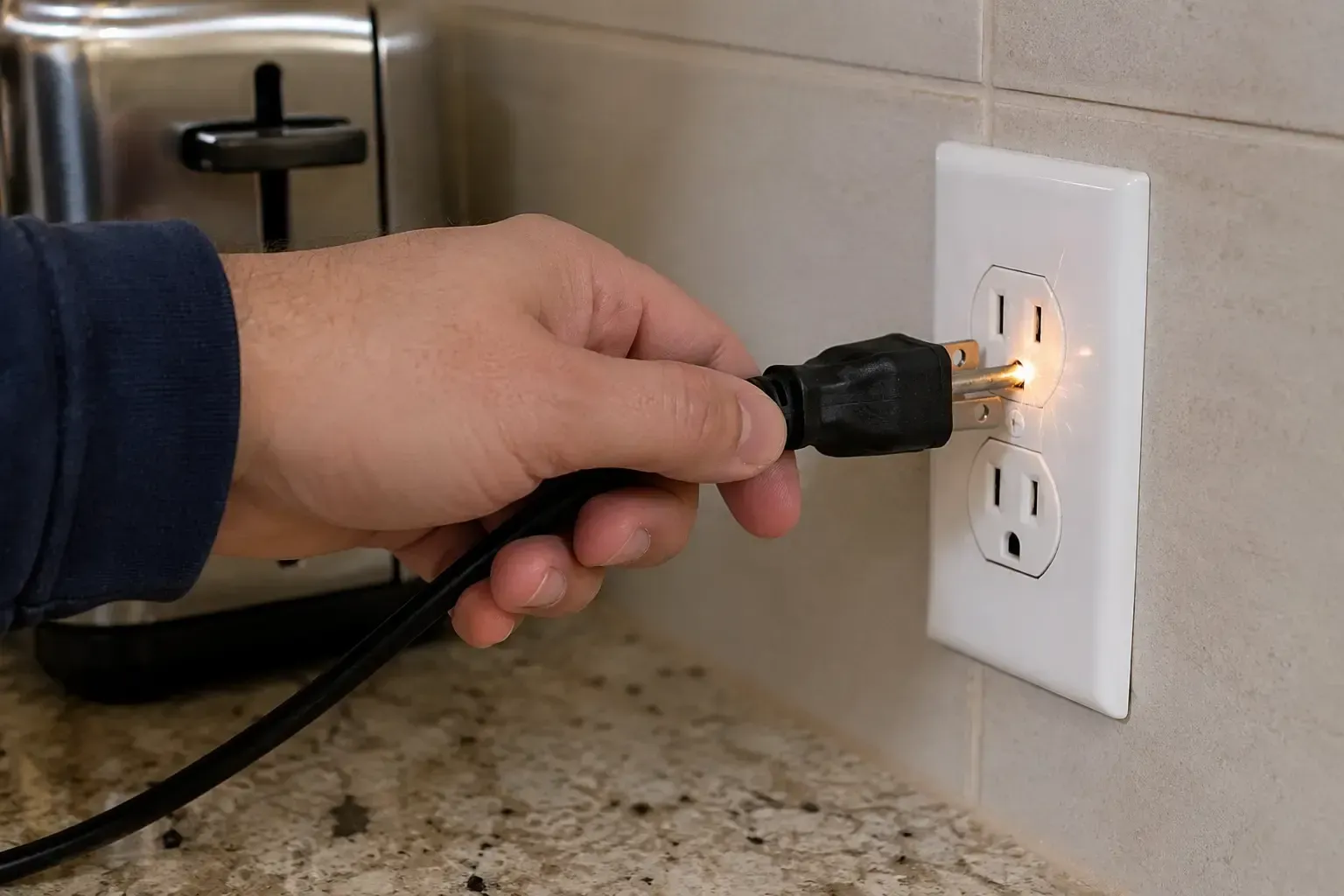
Detecting a strange, acrid odor in your home is always alarming. When that smell resembles burning plastic, sulfur, or even a strange fishy scent near an electrical outlet, you are dealing with a critical safety hazard. This odor is a direct warning sign that components within your electrical system are overheating, melting, or actively arcing behind your drywall. Ignoring this warning can lead to catastrophic property damage or severe risk to your family.
Homeowners in Burleson often encounter this issue in both older properties with aging wiring and newer homes where circuits are pushed beyond their intended limits. Modern households rely on a massive amount of power to run high-end appliances, home offices, and entertainment systems. When your electrical infrastructure cannot handle the load, the physical components begin to fail.
Taking immediate and precise action is the only way to prevent a localized thermal event from escalating into a full-scale electrical fire. This guide details the exact steps you must take to secure your property and explains the underlying causes of burning odors in residential electrical systems.
Immediate Steps to Take When You Detect a Burning Smell
When you smell melting plastic near an outlet, time is your most valuable asset. Do not wait to see if the smell dissipates. Electrical fires can smolder unseen behind the walls for hours before breaking out into open flames.
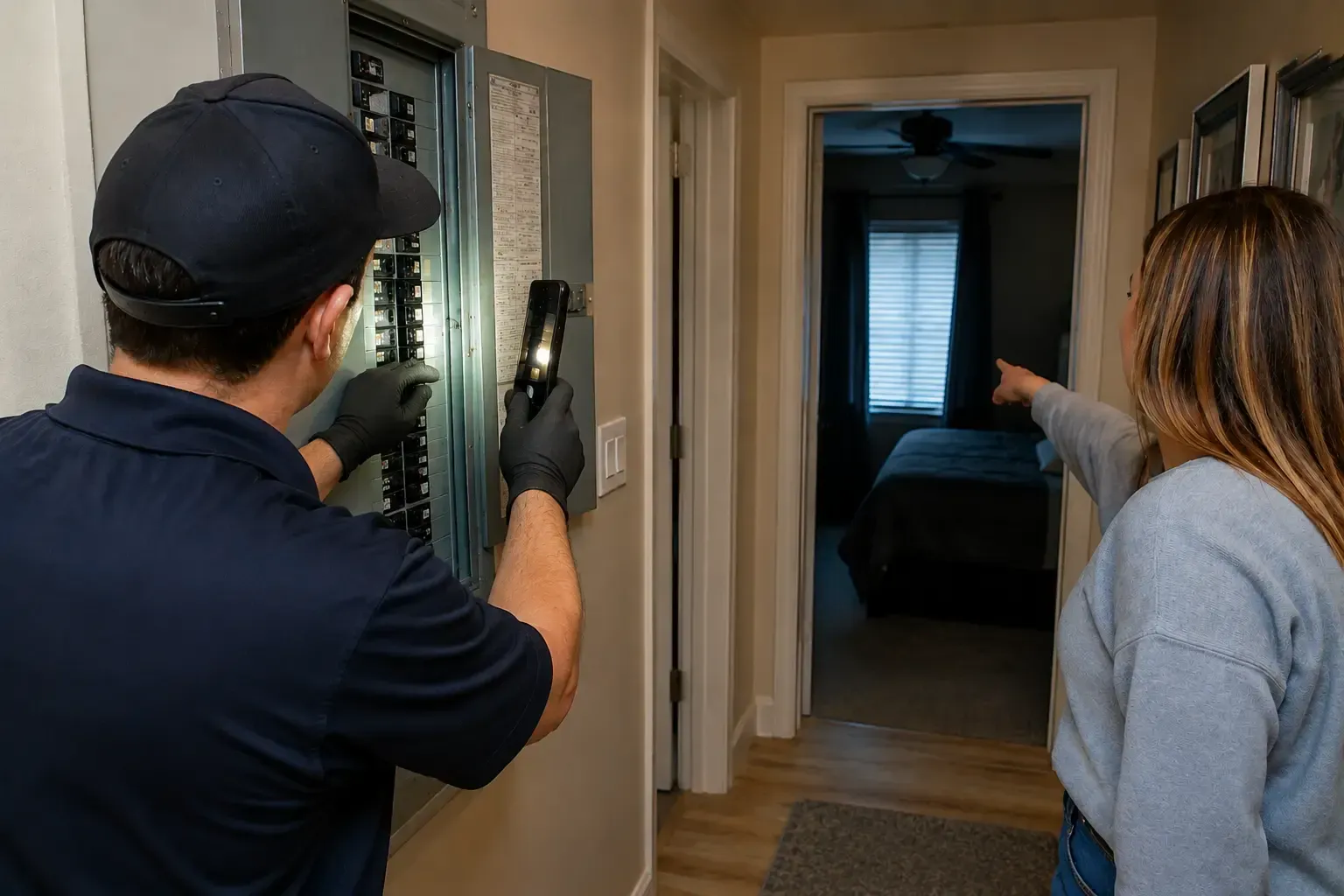
Step 1: Shut Off the Power at the Breaker Your very first action must be to cut the electricity flowing to the affected area. Go directly to your main electrical panel. If you know exactly which breaker controls the affected room, flip that specific switch to the "off" position. If your panel is poorly labeled or you are unsure which circuit is responsible, it is much safer to flip the main breaker switch, shutting off power to the entire house.
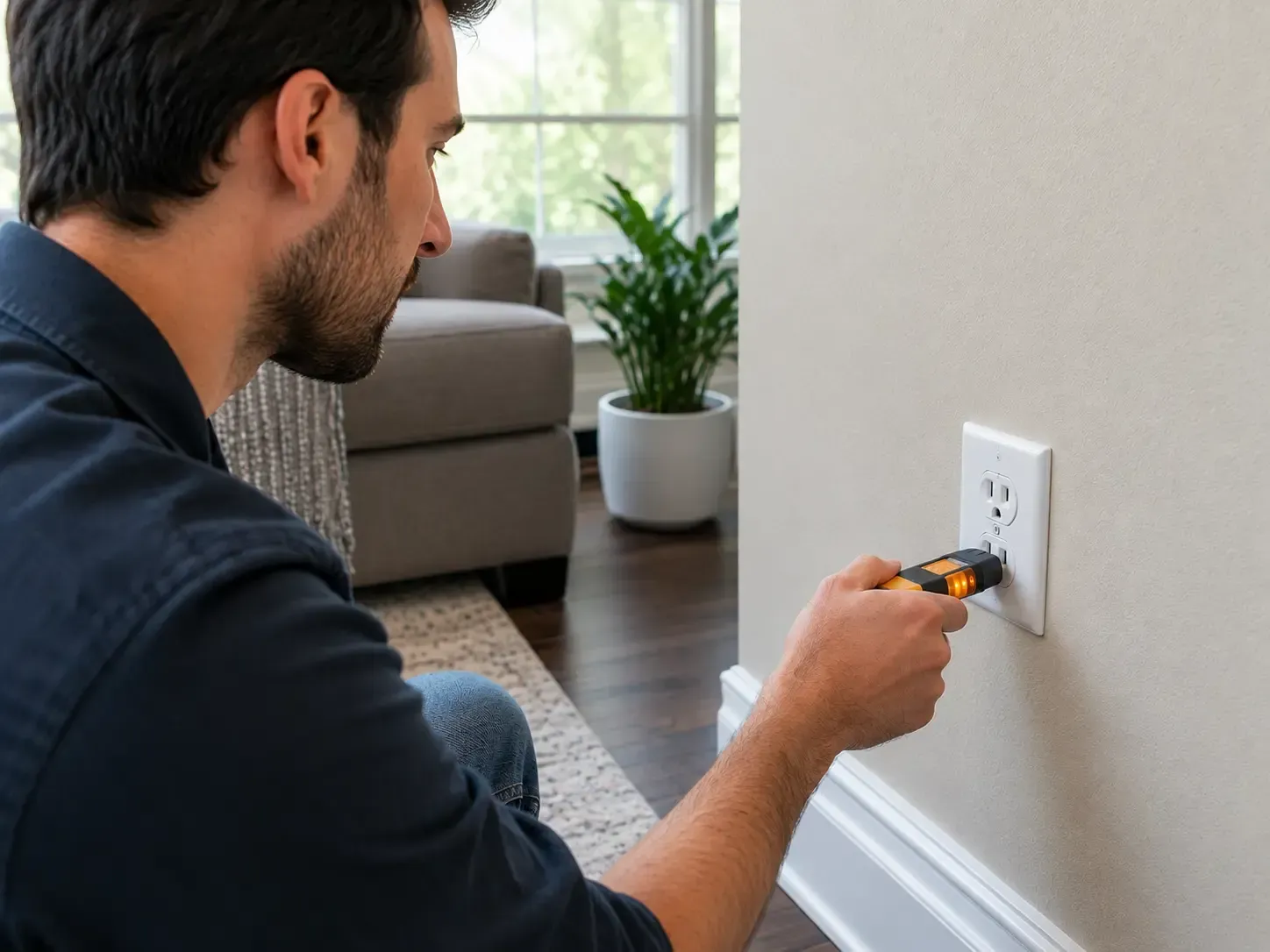
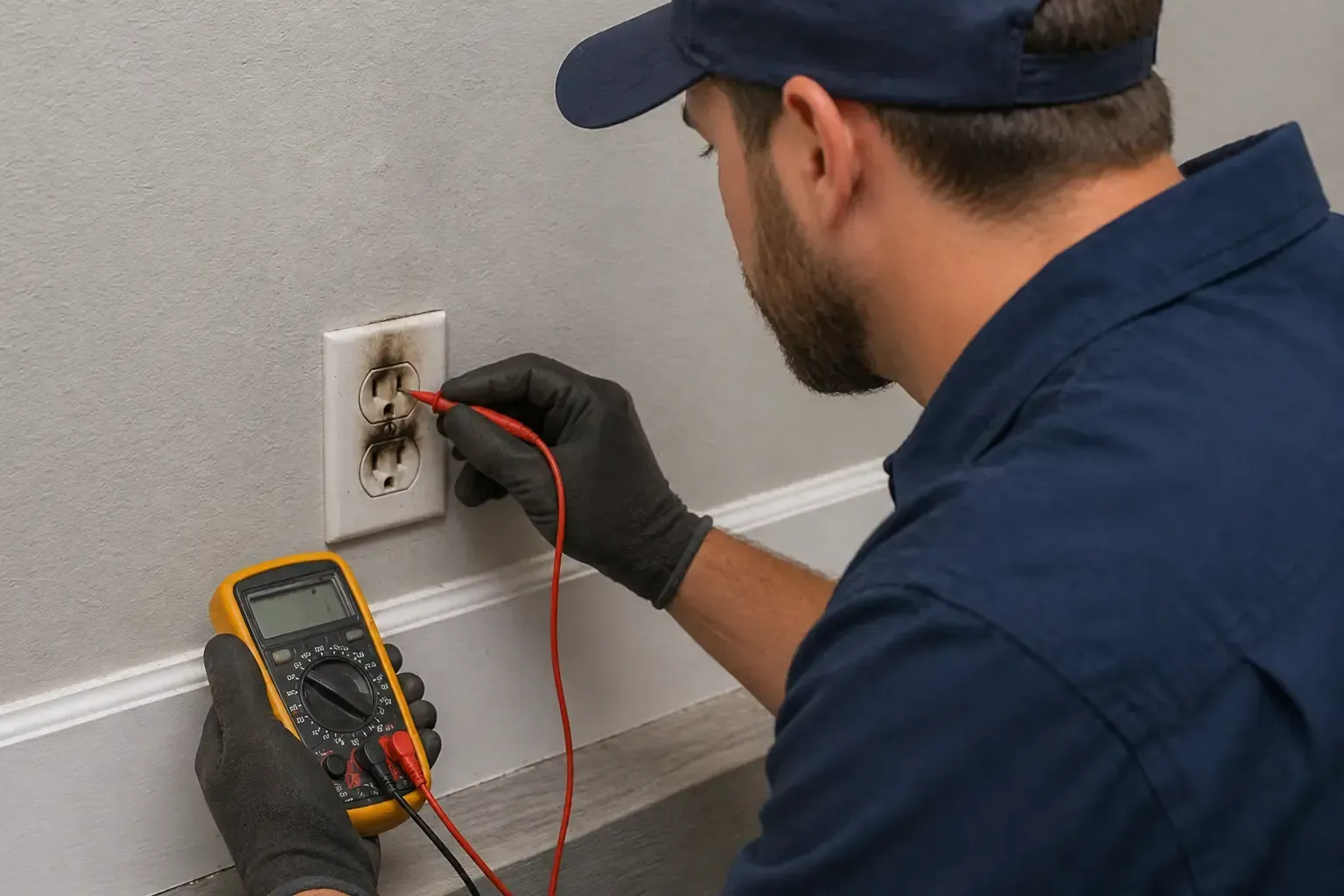
Step 2: Do Not Touch the Outlet or Plugged-In Devices A melting outlet is physically hot and potentially energized. Do not attempt to yank cords out of the wall while the power is still active. Touching a compromised outlet can result in a severe electrical shock. Wait until you have completely verified the power is off at the breaker box before carefully unplugging any devices, inspecting the prongs for scorch marks or melted plastic.
Step 3: Keep the Area Clear and Monitor for Smoke Clear any flammable materials away from the area. Move curtains, rugs, furniture, and paper products at least a few feet back from the wall. Have a Class C fire extinguisher nearby. Even after the power is cut, residual heat can still ignite surrounding debris or dry insulation.
Step 4: Contact a Licensed Professional Once the immediate danger is neutralized by cutting the power, you must bring in a qualified expert. Contacting a licensed Burleson Electrician ensures that the root cause of the overheating is correctly diagnosed and repaired according to local safety codes.
Common Causes of Electrical Odors in Texas Homes
Understanding why your outlet is overheating helps you manage your home safely and make informed decisions about property maintenance. Electrical components do not melt without a specific physical catalyst.
Loose Connections and Arcing Electricity requires a tight, continuous path to flow safely. Over years of use, the constant plugging and unplugging of devices can loosen the internal contacts of an outlet. Fluctuating temperatures also cause metal wires to expand and contract slightly over time. When a connection becomes loose, electricity must jump across the tiny air gap to continue its path. This phenomenon is called arcing. Arcing generates localized heat that can reach thousands of degrees, instantly melting the plastic housing of the receptacle.
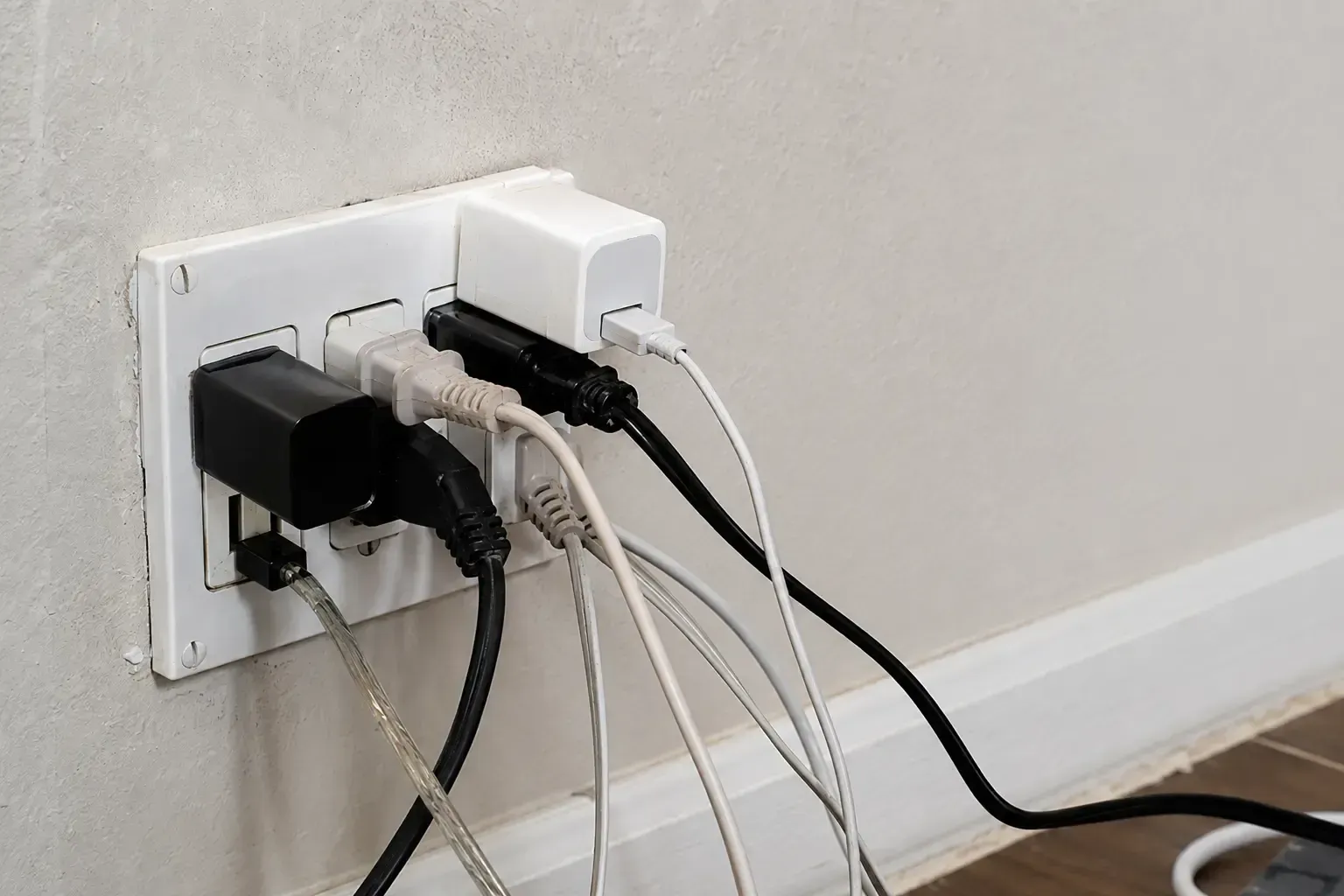
Overloaded Circuits Every circuit in your home is rated for a maximum amperage. If you plug a high-draw appliance like a space heater, a high-end gaming computer, or a heavy-duty vacuum into a standard outlet that shares a circuit with other heavy loads, the wires will pull more current than they can safely handle. While the circuit breaker is designed to trip under these conditions, older or faulty breakers might fail to actuate, allowing the wires to overheat.
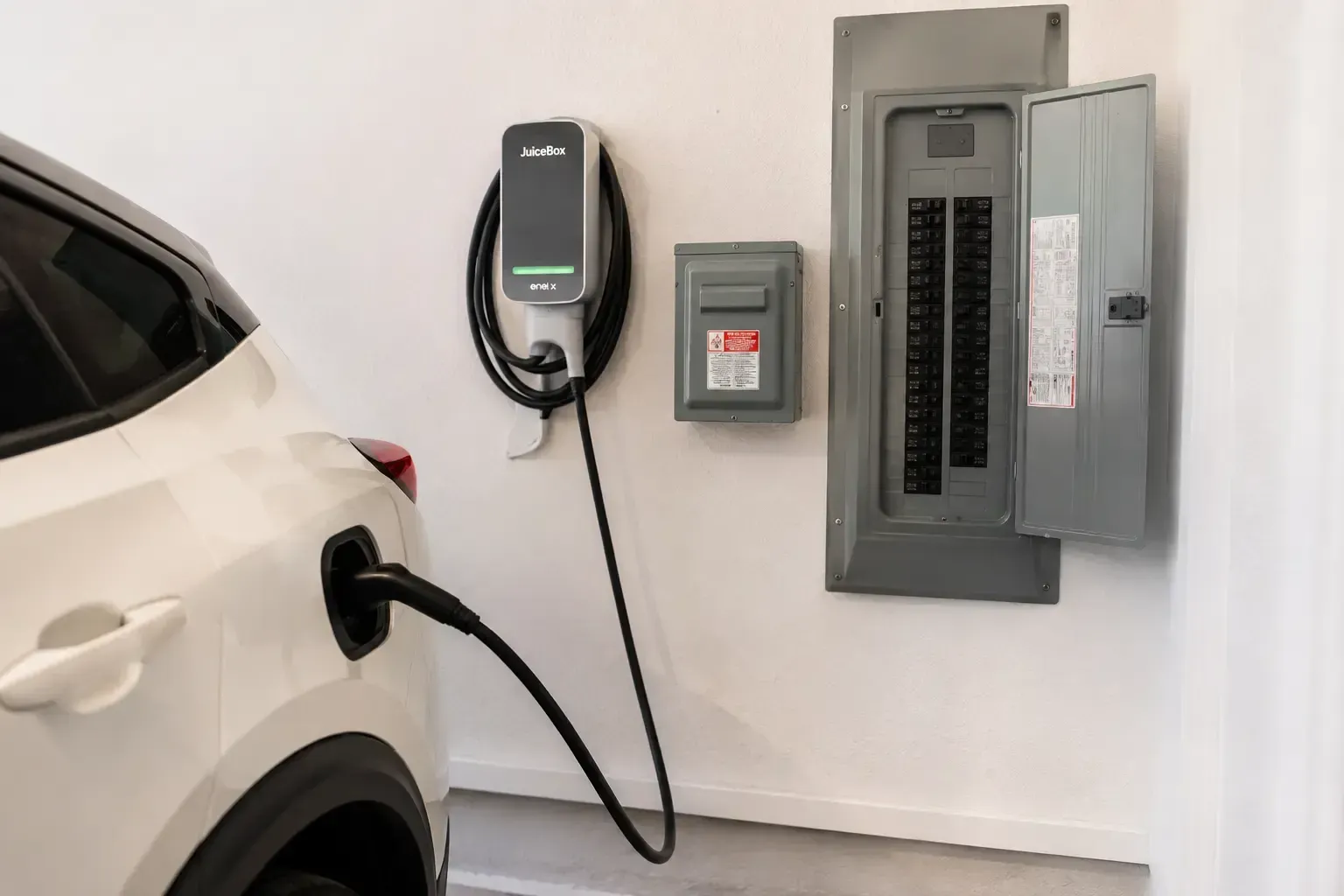
Aging and Outdated Infrastructure Burleson features a wide variety of properties, ranging from brand-new developments to homes built several decades ago. Older homes were simply not designed to handle the electrical demands of modern living. If your home still utilizes an older electrical panel, or if you suspect your wiring is outdated, the risk of thermal events increases significantly. Investing in professional electrical panel upgrades is one of the most effective ways to protect your property value and ensure long-term safety.
Analyzing Household Odors and Electrical Hazards
Not all smells in your home point to an electrical problem, but identifying the specific type of odor can help you determine the severity of the threat. The table below outlines common odors, their likely sources, and the appropriate safety response.
| Odor Profile | Likely Source | Hazard Level | Recommended Action |
|---|---|---|---|
| Burning Plastic | Melting outlet receptacle or melting wire insulation | Critical | Shut off power at breaker immediately. Call an electrician. |
| Fishy or Urine Scent | Overheating electrical components or failing circuit breaker | Critical | Shut off power to the zone. Schedule emergency inspection. |
| Ozone or Sharp Metallic Scent | Arcing wires or sparking inside an appliance | High | Unplug appliance if safe. Turn off circuit. Request service. |
| Rotten Eggs or Sulfur | Natural gas leak or sewer gas buildup | Extreme | Evacuate property immediately. Call your local gas company. |
| Burning Dust | Furnace or HVAC heating elements turning on for the first time | Low | Monitor the area. The smell should dissipate within an hour. |
Professional Electrical Services: Why DIY is Not an Option
There is a growing trend among homeowners to tackle repairs themselves to save money. While painting a room or changing a faucet are excellent weekend projects, electrical repair requires rigorous adherence to building codes, safety protocols, and technical expertise.
When an outlet melts, the visible damage is often just a symptom of a deeper issue. Simply swapping out the burnt plastic faceplate and receptacle will not fix a damaged wire running behind your drywall or a failing breaker in your main panel. If the underlying cause remains unaddressed, the new outlet will eventually suffer the exact same fate.
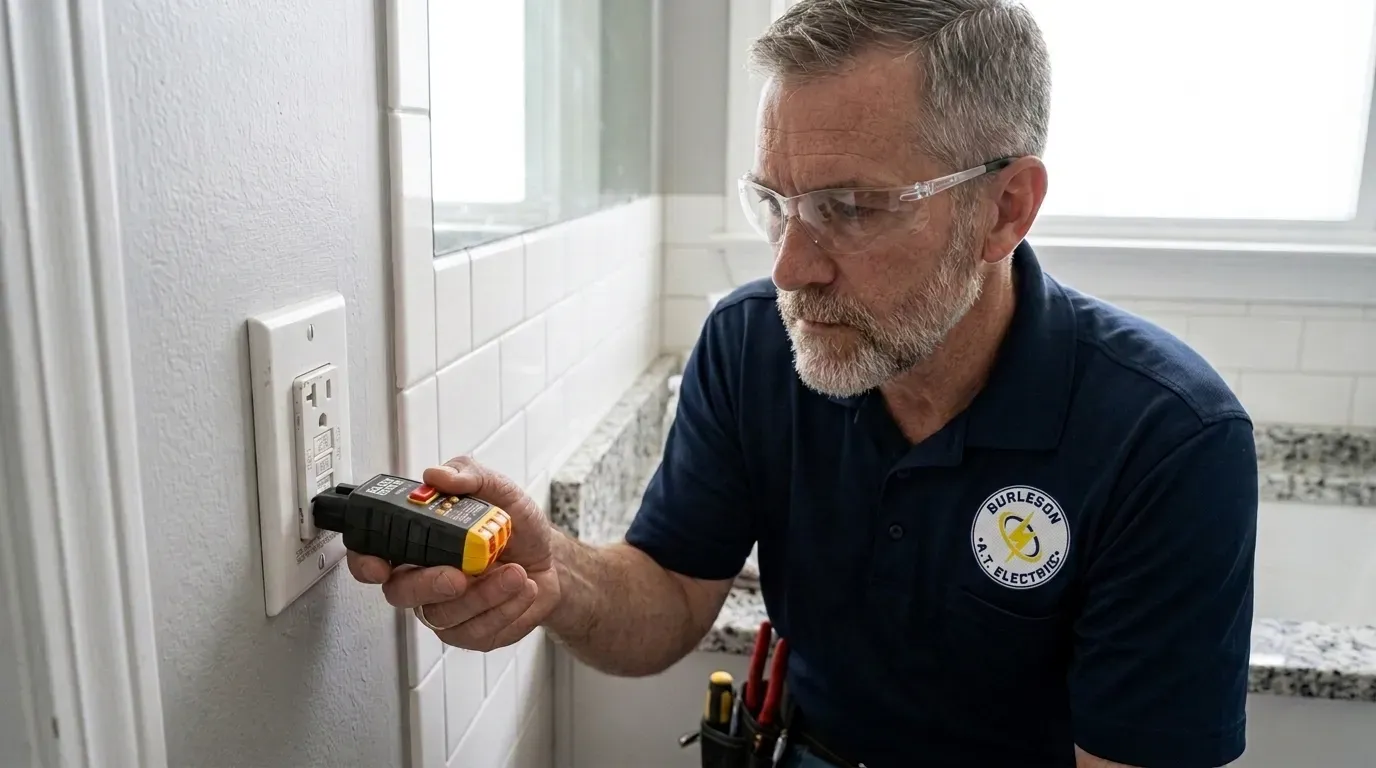
Relying on specialized electrical service needs guarantees that every aspect of the circuit is tested. Professionals use advanced diagnostic tools, such as thermal imaging cameras and commercial-grade multimeters, to locate hot spots that are invisible to the naked eye. They verify that the wire gauge matches the breaker amperage, ensure proper grounding, and confirm that your entire system complies with current Burleson building codes. This level of thoroughness protects your home from fire risks and ensures that your homeowner's insurance policy remains valid, as many insurers will deny claims linked to unlicensed electrical work.
Preventative Measures to Protect Your Burleson Property
Proactive maintenance is vastly more affordable and less stressful than managing an emergency fire hazard. As a homeowner, protecting your investment means staying ahead of infrastructure wear and tear.
Upgrade Arc Fault Circuit Interrupters (AFCIs) Modern electrical codes require AFCI breakers for most living spaces. Unlike standard breakers that only trip during a massive power overload, AFCI breakers actively monitor the circuit for the erratic electrical signatures caused by arcing. If they detect a loose connection sparking behind a wall, they shut the power off before enough heat is generated to start a fire. Upgrading your panel to include these devices provides exceptional peace of mind.
Evaluate Exterior and Wet-Area Electrical Loads Outlets located outside or near water sources face harsher conditions. Moisture, extreme Texas summer heat, and dirt can degrade outdoor receptacles rapidly. Ensure your home utilizes Ground Fault Circuit Interrupters (GFCIs) in all required areas. If you are running patio heaters, power tools, or heavy lighting setups, your exterior circuits might be strained. Properly installed outdoor lighting installations and dedicated exterior circuits prevent overload issues from compromising your home's main electrical grid.
Schedule Routine Inspections Properties over twenty years old benefit greatly from a comprehensive electrical inspection. A professional can identify loose connections in the main panel, spot early signs of wire degradation, and tighten the lugs on your breakers. Preventative tightening stops arcing before it ever starts.
Maintaining a safe home requires vigilance. The moment you detect a burning smell near an outlet, your property is signaling that it needs immediate professional intervention. By cutting the power, avoiding contact with damaged components, and enlisting a licensed electrician, you secure your property and protect the people inside it.
Frequently Asked Questions
Can I just replace the damaged outlet myself to save money?
Replacing an outlet that has melted or caught fire is extremely dangerous for an untrained individual. The heat that damaged the outlet likely compromised the insulation on the wires inside the wall. If these damaged wires are connected to a new receptacle, the fire hazard remains entirely unresolved. A licensed professional must strip back the damaged wiring, evaluate the circuit load, and ensure the repair meets strict safety codes.
Will the circuit breaker always trip if an outlet is overheating?
No. Standard circuit breakers are primarily designed to trip when there is a massive surge in electrical current, such as a dead short or a severe overload. Arcing caused by a loose wire connection generates intense heat without necessarily pulling enough excess current to trigger an older, standard breaker. This is why paying attention to sensory warning signs, like strange odors or warm wall plates, is critical for household safety.
Can a loose outlet cause electrical hazards?
Yes. Loose outlets can lead to arcing, which generates heat and may ignite nearby materials. They should be tightened or replaced promptly.
How often should outlets be replaced in a home?
Outlets don’t have a strict lifespan, but if they’re loose, discolored, cracked, or no longer hold plugs securely, replacement is necessary.