Sudden Power Outage in Burleson, Texas? 7 Steps Every Homeowner Should Take
Losing power is more than just a temporary inconvenience. For homeowners in Burleson, a sudden blackout disrupts daily routines, threatens food security, and can pose significant safety risks to your family and property. Severe weather patterns, aging grid infrastructure, and extreme summer heat frequently put immense pressure on local electrical systems. Knowing exactly how to respond when the lights go out ensures you protect your expensive electronics, maintain a safe environment, and restore your home to normal operations as quickly as possible.
Taking immediate, calculated action is essential. The following seven steps outline precisely what you need to do the moment your home loses power.
Why Texas Homes Face Unique Electrical Strains
Before detailing the immediate response steps, it helps to understand why these interruptions occur. Texas residents frequently deal with grid instability during peak demand periods. Summer temperatures force air conditioning units to run continuously, drawing massive amounts of current. Spring brings severe thunderstorms with high winds that routinely damage overhead lines and transformers in Johnson and Tarrant counties.
Modern homes also draw far more power than they did a decade ago. The addition of electric vehicle charging stations, home offices, and smart appliances means the electrical load on your residential panel is constantly near its maximum capacity. When an external failure occurs, the sudden drop and subsequent surge of electricity can wreak havoc on these sensitive systems.
Step 1: Verify the Scope of the Outage
Your first priority is determining if the blackout is an isolated incident or a grid failure. Look out your windows to check your immediate neighbors and the streetlights. If the entire block is dark, you are dealing with a localized grid failure. You should immediately report the outage to your local utility provider, such as Oncor, using their mobile application or automated phone system.
If your neighbors still have their lights on, the problem is isolated to your property. This indicates an issue with your main breaker, the service drop connecting the utility line to your house, or a localized short circuit that tripped your primary safety mechanisms.
Step 2: Disconnect Sensitive Electronics and Appliances
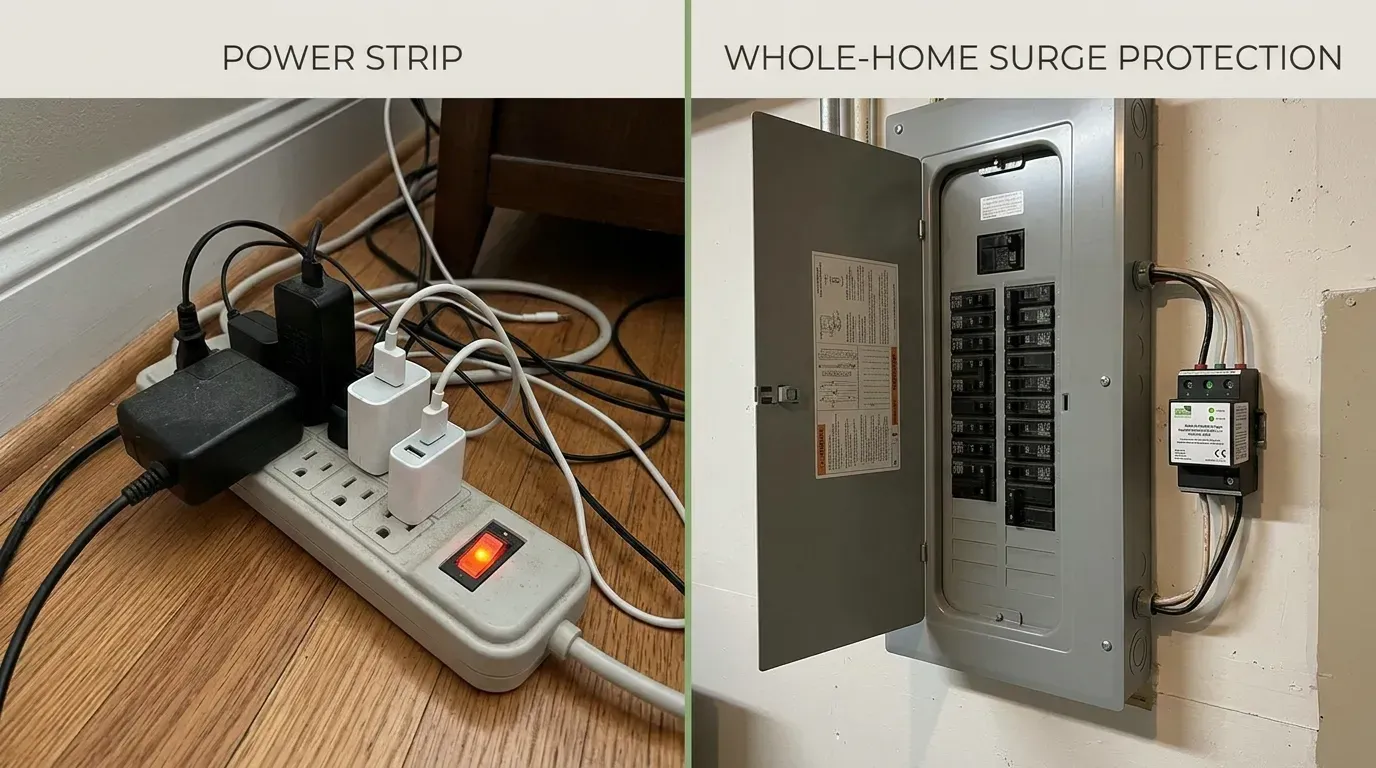
When the utility company restores power, the electricity rarely returns in a smooth, regulated flow. The initial surge can deliver a massive voltage spike that easily destroys the delicate microprocessors inside modern appliances.
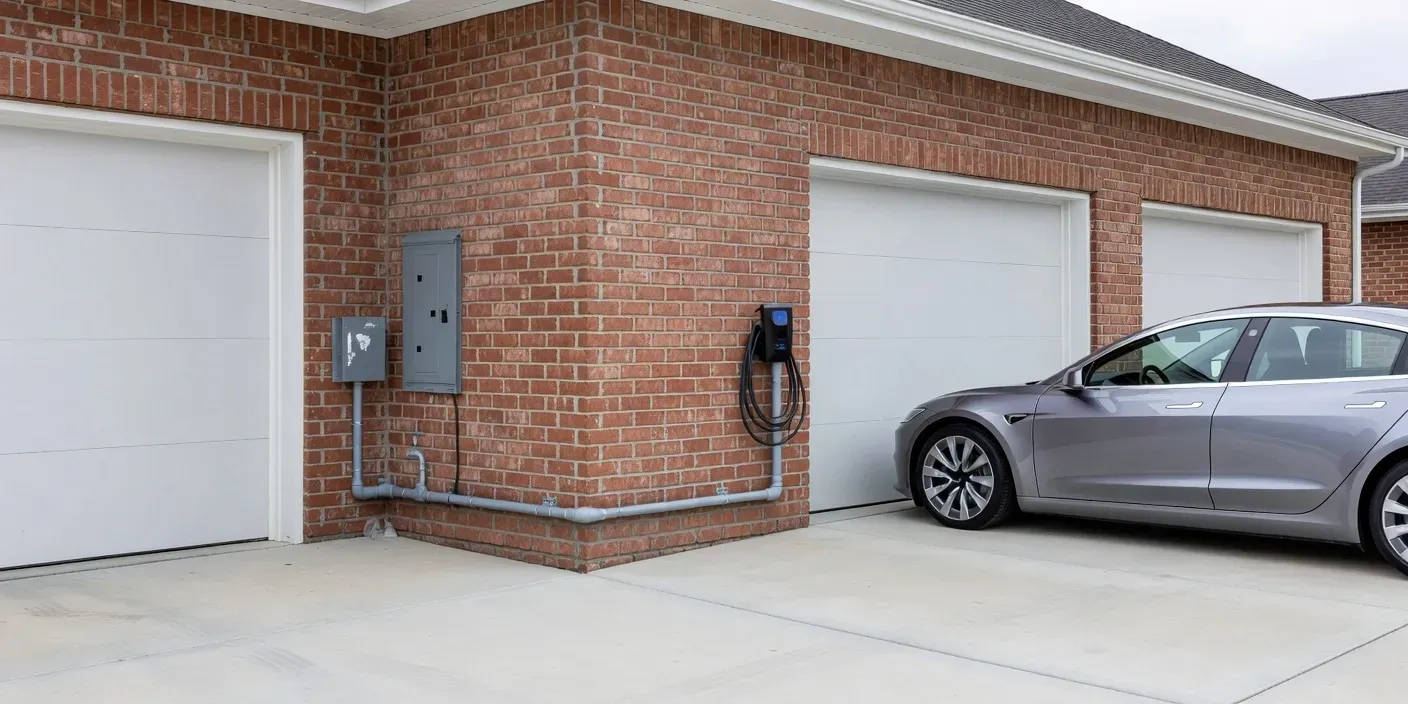
Walk through your home and unplug computers, televisions, and gaming consoles. Disconnect your microwave, coffee maker, and smart home hubs. If you own an electric vehicle, unplug the charging cable from your car. Leaving an EV connected during a power restoration event can severely damage the vehicle's onboard inverter if your home lacks dedicated surge protection. Turn off your air conditioning system at the thermostat. Air conditioners require a massive surge of power to start the compressor, and if every house on the block attempts to start their HVAC units simultaneously when power is restored, it can instantly overload the neighborhood transformer and cause a secondary outage.
Step 3: Secure Your Refrigerator and Freezer
Food spoilage is a primary concern during extended blackouts. The most effective way to protect your groceries is to simply leave the appliance doors closed. An unopened refrigerator will keep food at a safe temperature for approximately four hours. A fully packed freezer will hold its temperature for up to 48 hours, while a half-full freezer will stay cold for roughly 24 hours.
If the utility company estimates the outage will last longer than a day, consider purchasing dry ice to line the bottom of your freezer or relocating highly perishable items to a heavily insulated cooler packed with bagged ice.
Step 4: Inspect Your Electrical Panel Safely
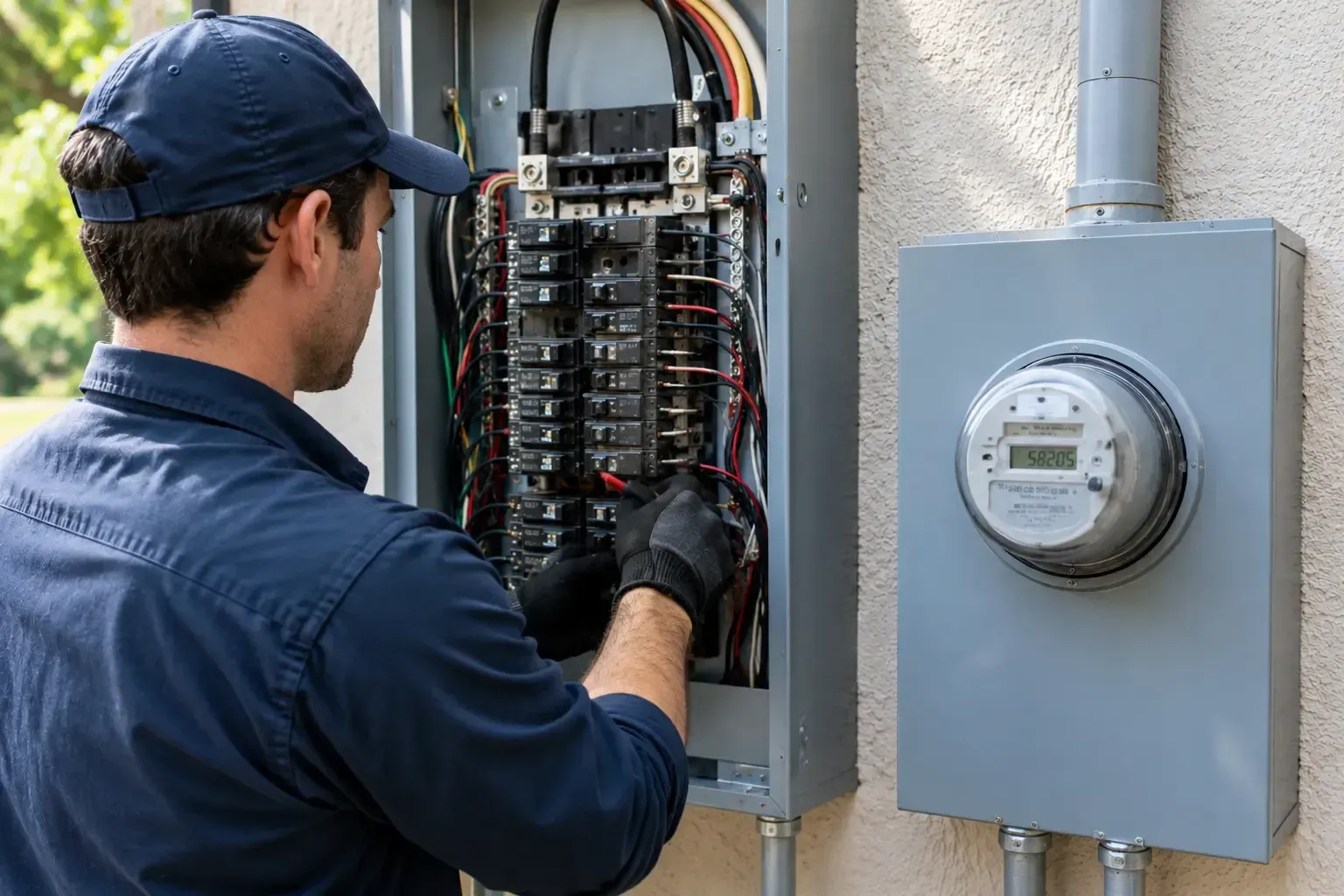
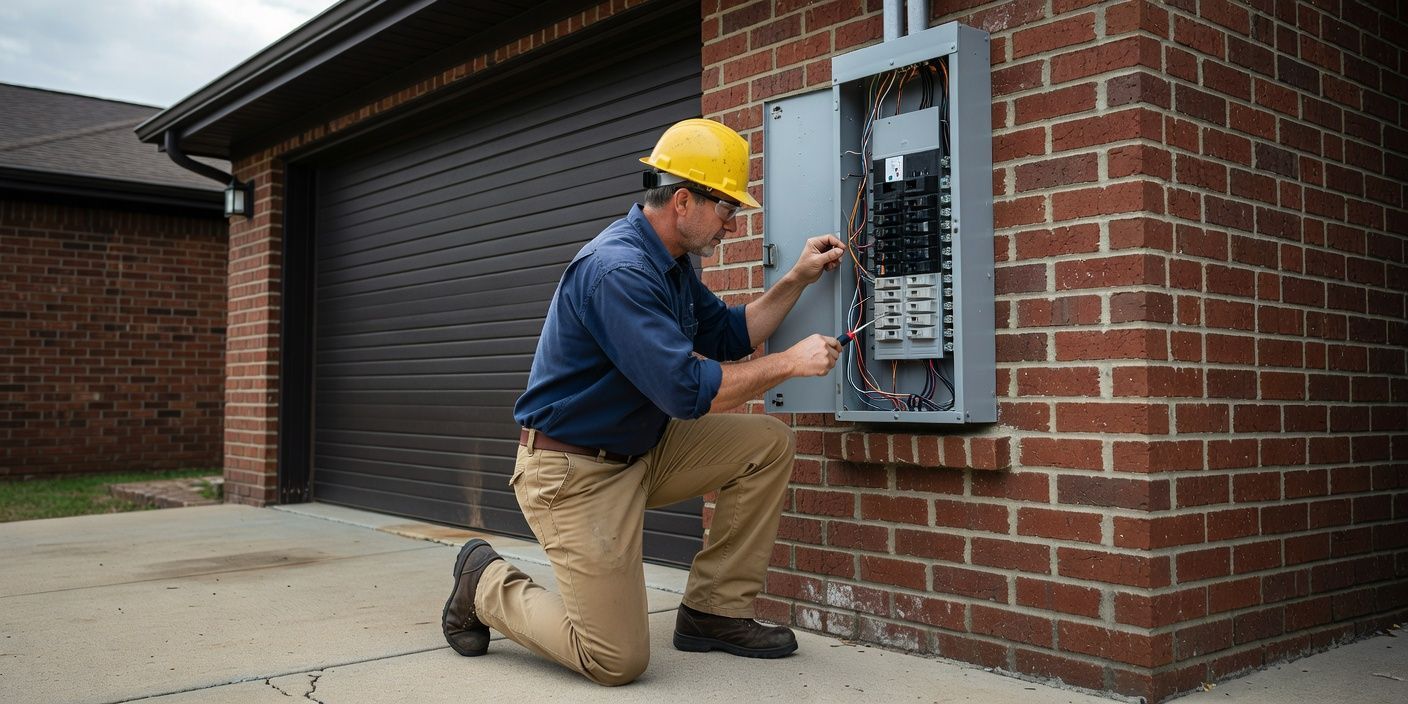
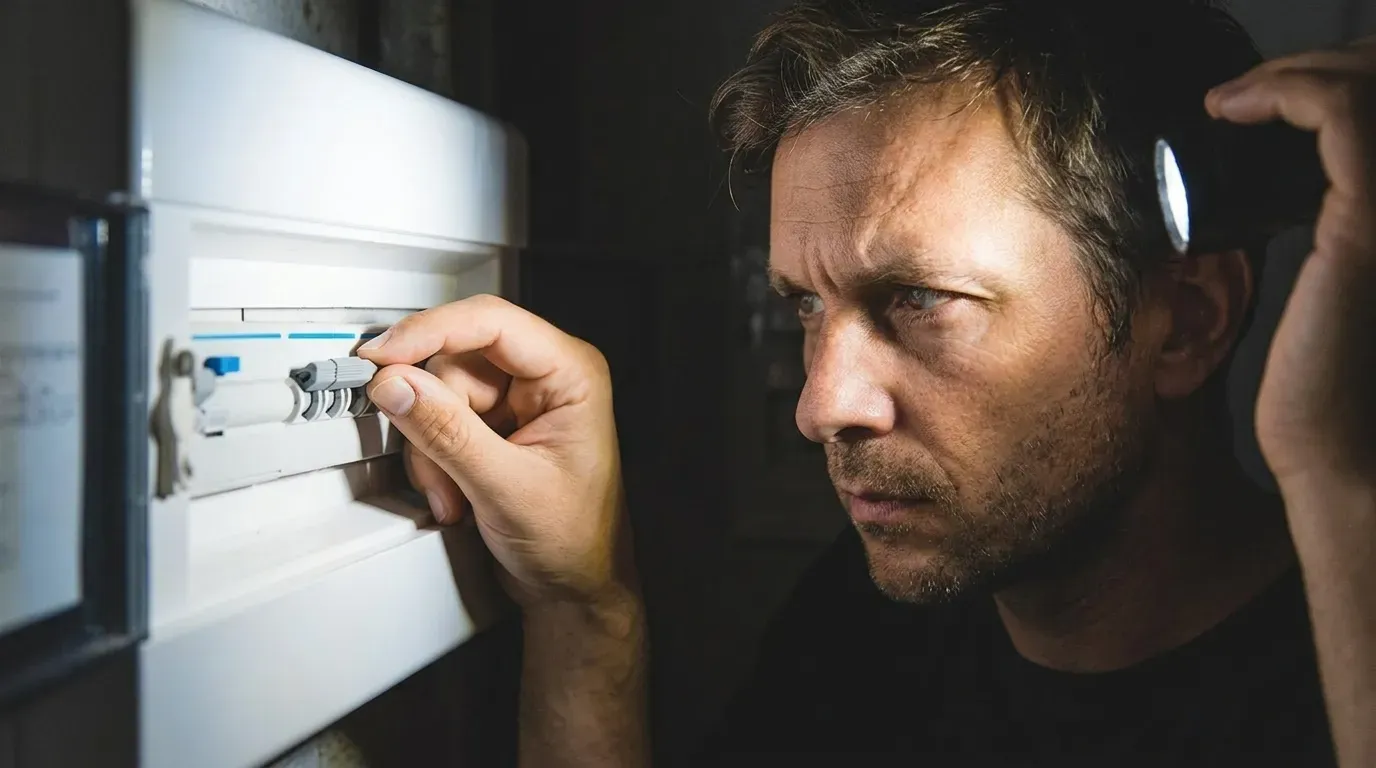
If the outage is limited to your home, the issue likely resides in your main electrical panel. Equip yourself with a reliable flashlight and locate your breaker box. Look for the main breaker, usually located at the very top or bottom of the panel.
A tripped breaker will not always snap cleanly to the "off" position. Often, the switch sits in a spongy middle ground. To reset it, firmly push the switch entirely to the "off" position until you feel a click, then push it back to the "on" position. If the breaker immediately trips again, stop immediately. A breaker that refuses to reset is doing its job by protecting your home from a severe dead short or a dangerous overload. Forcing it to stay on can cause a catastrophic electrical fire.
Step 5: Safely Deploy Backup Power Solutions
Many homeowners rely on portable or standby generators to maintain essential services during an outage. If you are using a portable gasoline or propane generator, you must operate it outdoors. Place the generator at least 20 feet away from your home, ensuring the exhaust points away from any windows, doors, or exterior vents. Carbon monoxide is an invisible, odorless gas that can cause fatal poisoning in minutes.
Never plug a portable generator directly into a standard wall outlet. This dangerous practice, known as backfeeding, pushes electricity backward through your electrical panel and out into the utility lines. Backfeeding can electrocute utility workers attempting to repair the downed lines in your neighborhood. All generators must be connected to your home using a professionally installed manual transfer switch.
Step 6: Monitor Your Home for Electrical Hazards
While the power is out, and immediately after it returns, use your senses to detect potential electrical hazards. Walk through the rooms of your house and pay close attention to any unusual smells. An electrical short often produces a distinct odor resembling burning plastic or raw fish.
Listen for buzzing, crackling, or humming sounds originating from the walls, outlets, or the breaker panel itself. Check your wall outlets for black scorch marks or melted plastic. If you notice any of these warning signs, turn off your main breaker immediately. These symptoms indicate wires are arcing behind your drywall, creating extreme heat that can easily ignite the wooden framing of your home.
Step 7: Know When to Consult a Professional Burleson Electrician
DIY electrical work carries extreme risks. While resetting a single breaker is perfectly safe for a homeowner, dealing with complex panel faults, damaged service masts, or scorched wiring requires professional intervention.
You need to hire a highly trained Burleson electrician if a power surge destroys an outlet, if half of your house regains power while the other half remains dark, or if your main breaker refuses to reset. Upgrading older homes to handle modern electrical demands is another critical scenario requiring an expert. Many homes built decades ago still rely on 100-amp service panels. Modern families utilizing smart appliances, heavy-duty HVAC systems, and EV chargers require 200-amp or even 320-amp service panels to operate safely. A licensed professional will evaluate your total electrical load and perform necessary upgrades to ensure your home meets current safety codes.
Power Outage Diagnostics and Action Plan
The following table provides a quick reference guide to help you identify common electrical failures and determine the correct course of action.
| Fault Indicator | Probable Cause | Immediate Homeowner Action | Professional Intervention Required |
|---|---|---|---|
| Entire neighborhood is dark | Utility grid failure or blown transformer | Report outage to utility provider, unplug electronics | No, utility company handles repairs |
| Only your home is completely dark | Tripped main breaker or damaged service drop | Check main breaker, look for downed line on property | Yes, if main breaker repeatedly trips or service drop is damaged |
| Lights flicker violently before going out | Power surge or loose neutral wire | Disconnect expensive electronics immediately | Yes, to inspect panel connections and install whole-home surge protection |
| Burning smell near the breaker box | Arcing wire or overloaded circuit | Turn off main breaker immediately, evacuate area | Yes, emergency panel inspection required |
| Single room loses power repeatedly | Overloaded circuit or failing breaker | Unplug high-wattage devices (space heaters, vacuums) | Yes, to replace breaker or split the circuit |
Trusting Local Expertise for Your Home
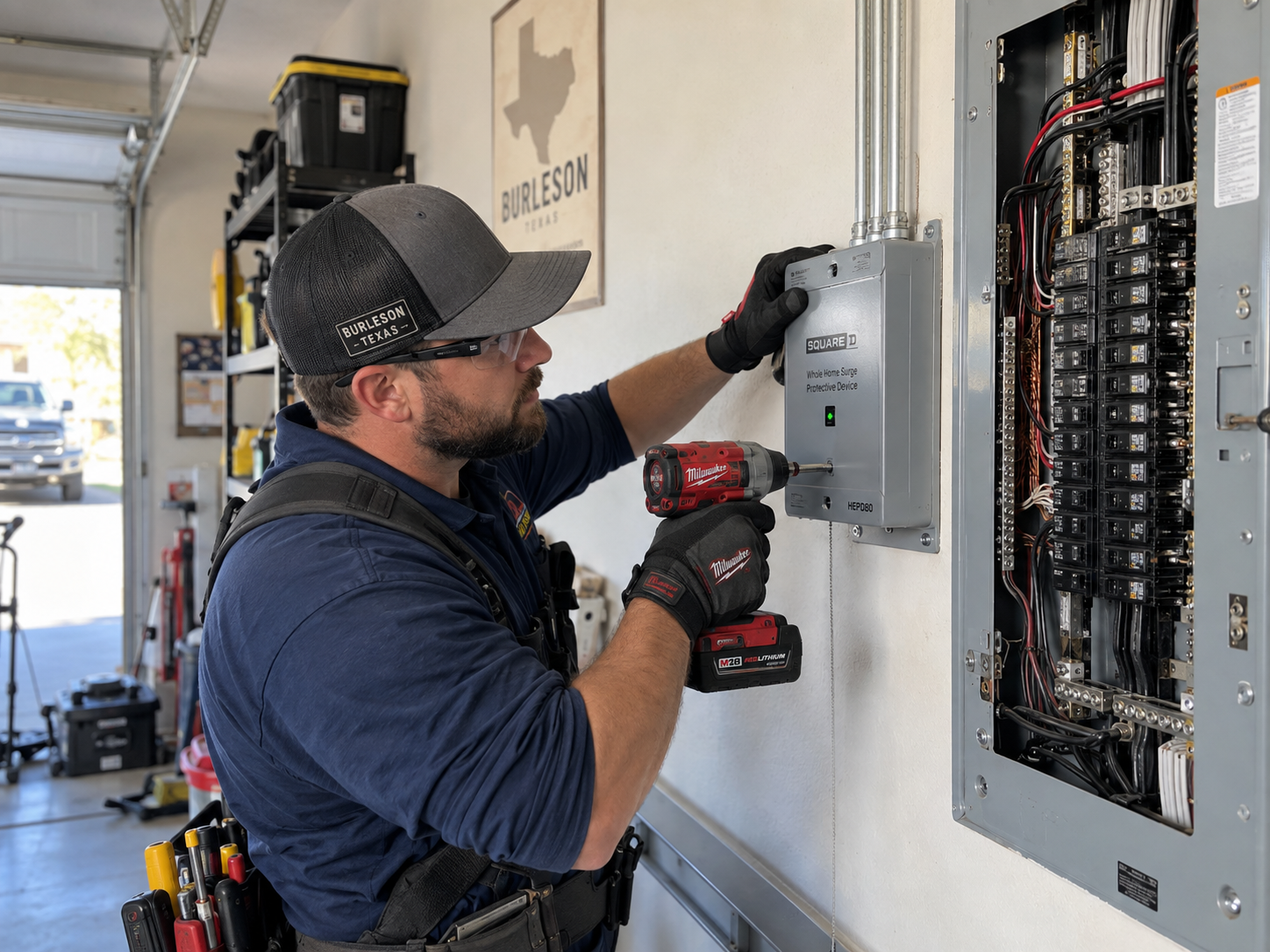
Relying on a reputable local company like Burleson AT Electric ensures you receive prompt, code-compliant service when emergencies strike. Navigating the specific electrical requirements of Tarrant and Johnson counties requires deep regional knowledge. Whether you need an emergency repair after a severe storm, the installation of a whole-home surge protector, or a dedicated circuit for your new electric vehicle, working with specialized local professionals guarantees the safety and reliability of your home's infrastructure. Protecting your property requires proactive maintenance and rapid response to emerging hazards.
Frequently Asked Questions
How can I tell if a sudden power surge damaged my electrical panel?
Signs of panel damage include a lingering smell of burnt plastic near the breaker box, breakers that feel hot to the touch, visible scorch marks around the switches, or a constant buzzing noise. If you experience any of these symptoms after power is restored, you must leave the panel alone and schedule an immediate inspection.
Does an electric vehicle charger need a dedicated surge protector?
While many modern EV chargers have basic internal protections, they are highly vulnerable to the massive voltage spikes that occur when a localized grid comes back online. Installing a whole-home surge protector at your main panel is the most effective way to shield both your expensive charging equipment and the vehicle's internal battery management system from catastrophic electrical damage.
What should I do if a power line falls in my yard during a storm?
Assume all downed wires are highly electrified and lethal. Keep yourself, your family, and your pets at least 30 feet away from the wire and anything it is touching, including fences or puddles. Call 911 immediately to report the hazard, and then contact your local utility provider to dispatch an emergency repair crew. Do not attempt to move the wire with any object.
What should I do if my lights flicker often?
Frequent flickering can indicate loose wiring, overloaded circuits, or issues with the utility supply. If flickering occurs across multiple rooms, contact your utility provider. If it’s isolated to one area, have an electrician inspect the wiring.