When Is It Time to Replace Electrical Wiring in a Home?
Replacing outdated electrical wiring is a critical step in preserving the safety, efficiency, and value of your home. As power demands increase with modern appliances and electric vehicles, aging infrastructure like knob-and-tube or aluminum wiring presents significant fire and shock hazards. Engaging professional electricians for a comprehensive panel and wiring upgrade ensures your property meets current building codes while supporting the high-capacity needs of modern living.
* Frequent breaker trips, flickering lights, and warm outlets are primary warning signs of failing electrical infrastructure.
* Homes built before the 1980s often contain ungrounded or aluminum wiring, requiring immediate professional assessment.
* Upgrading to a 200-amp panel with modern copper wiring provides the necessary capacity for EV chargers, HVAC systems, and whole-home surge protection.
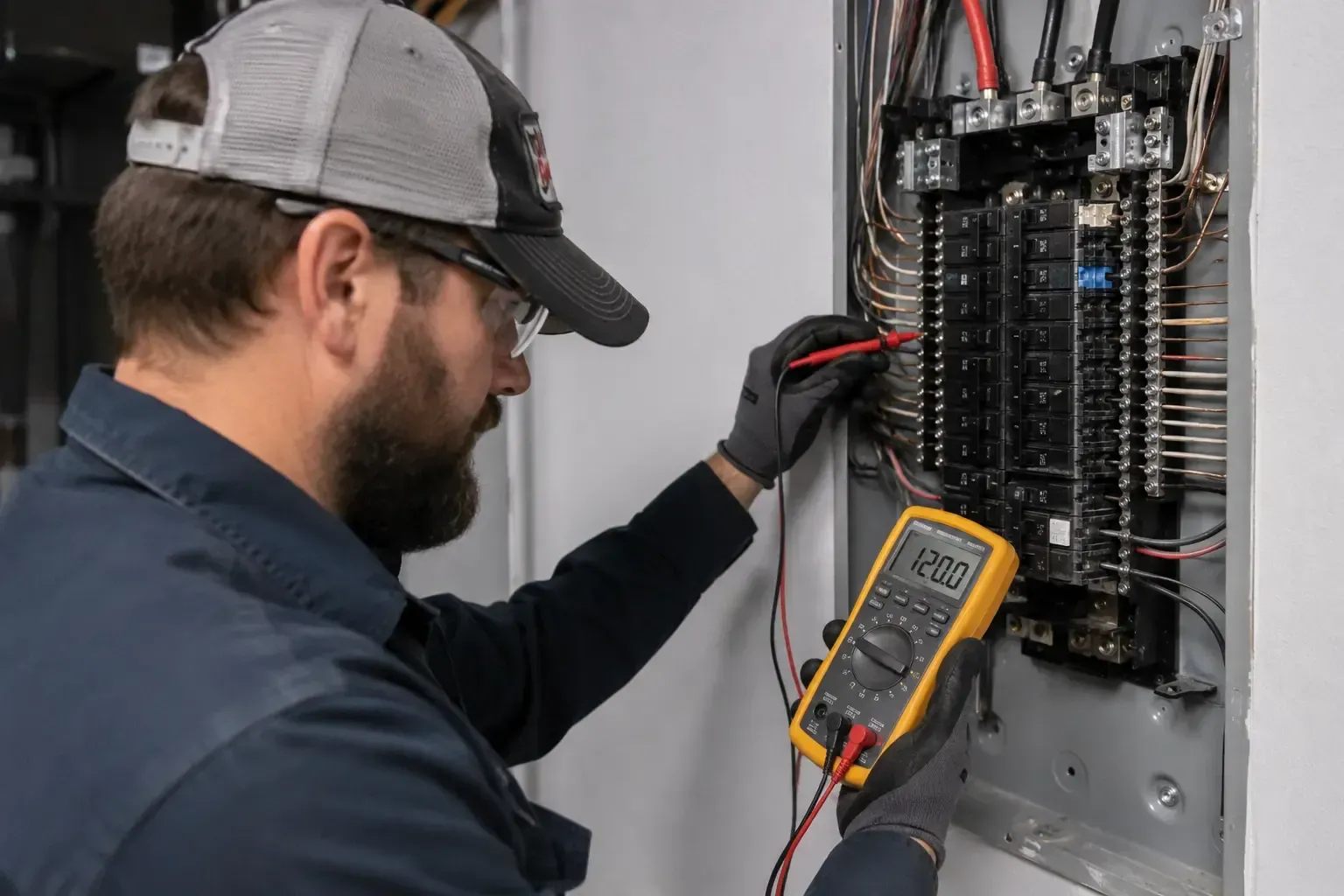
A house serves as a sanctuary and a major financial investment. The hidden systems behind the drywall dictate the safety, comfort, and functionality of your daily life. Among these vital systems, the electrical wiring running through the attic, walls, and foundation bears an ever-increasing load. Recognizing when to replace electrical wiring requires vigilance and an understanding of how residential infrastructure ages over the decades.
Homeowners frequently face the reality that their vintage properties can no longer support modern power demands safely. Wires do not last forever. Thermal stress, pest damage, and simple material degradation take a toll on cables and connections. Understanding the lifecycle of your home power system is the first step in protecting your property and ensuring an uninterrupted supply of electricity to your most valuable appliances.
Recognizing the Warning Signs of Aging Wiring
Electrical systems rarely fail without warning. The infrastructure typically provides several visual and auditory cues before a complete breakdown or safety hazard occurs. Paying close attention to these symptoms can prevent catastrophic damage and costly emergency repairs.
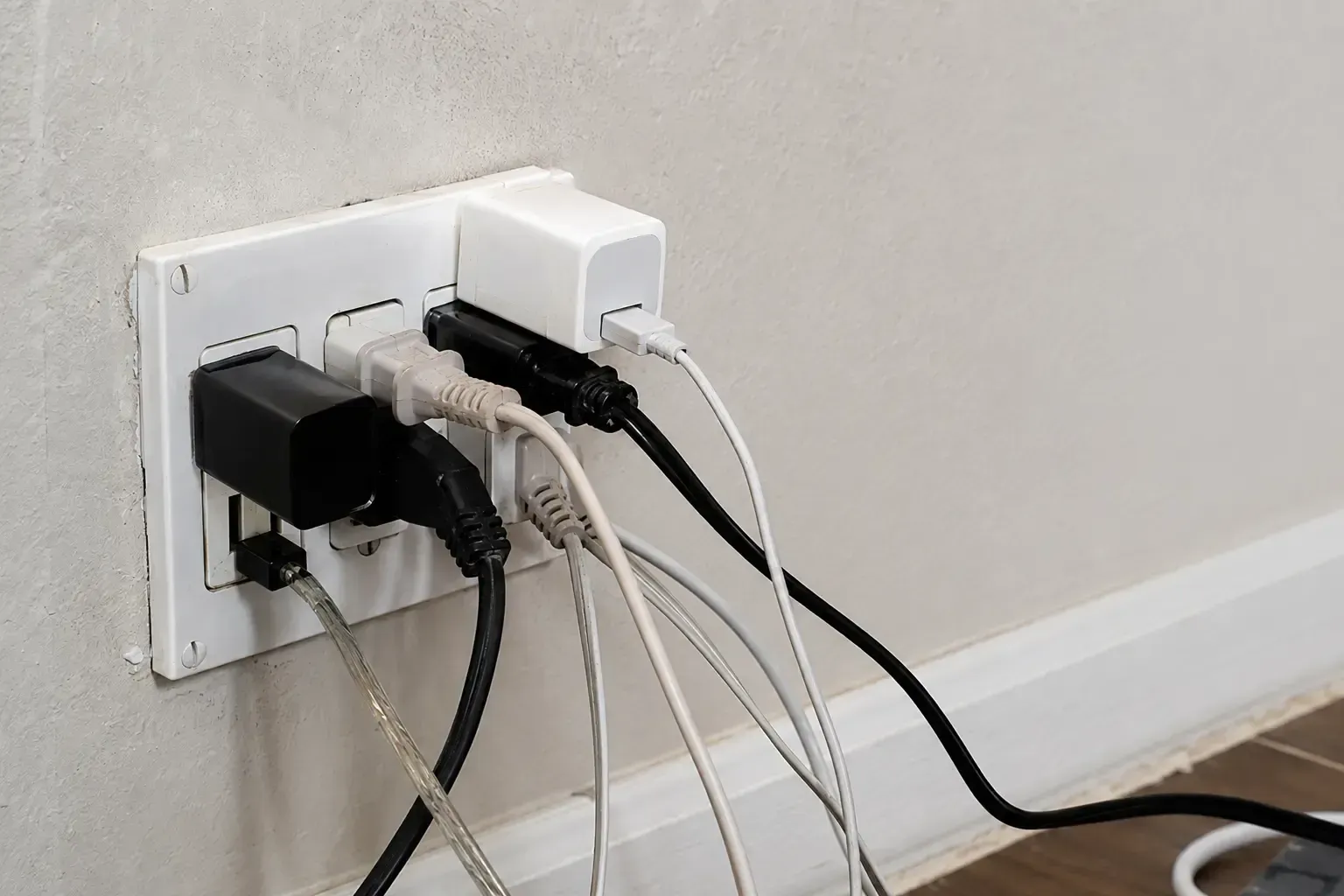
Frequent circuit breaker trips are a primary indicator that your home is drawing more current than the system can safely handle. While an occasional tripped breaker is normal when a specific circuit is overloaded, constant tripping signals a deeper infrastructure problem.
Flickering or dimming lights also point to underlying issues. If turning on a microwave or a vacuum cleaner causes the lights in another room to dim, the electrical current is struggling to meet the demand. This often indicates loose connections or wire degradation.
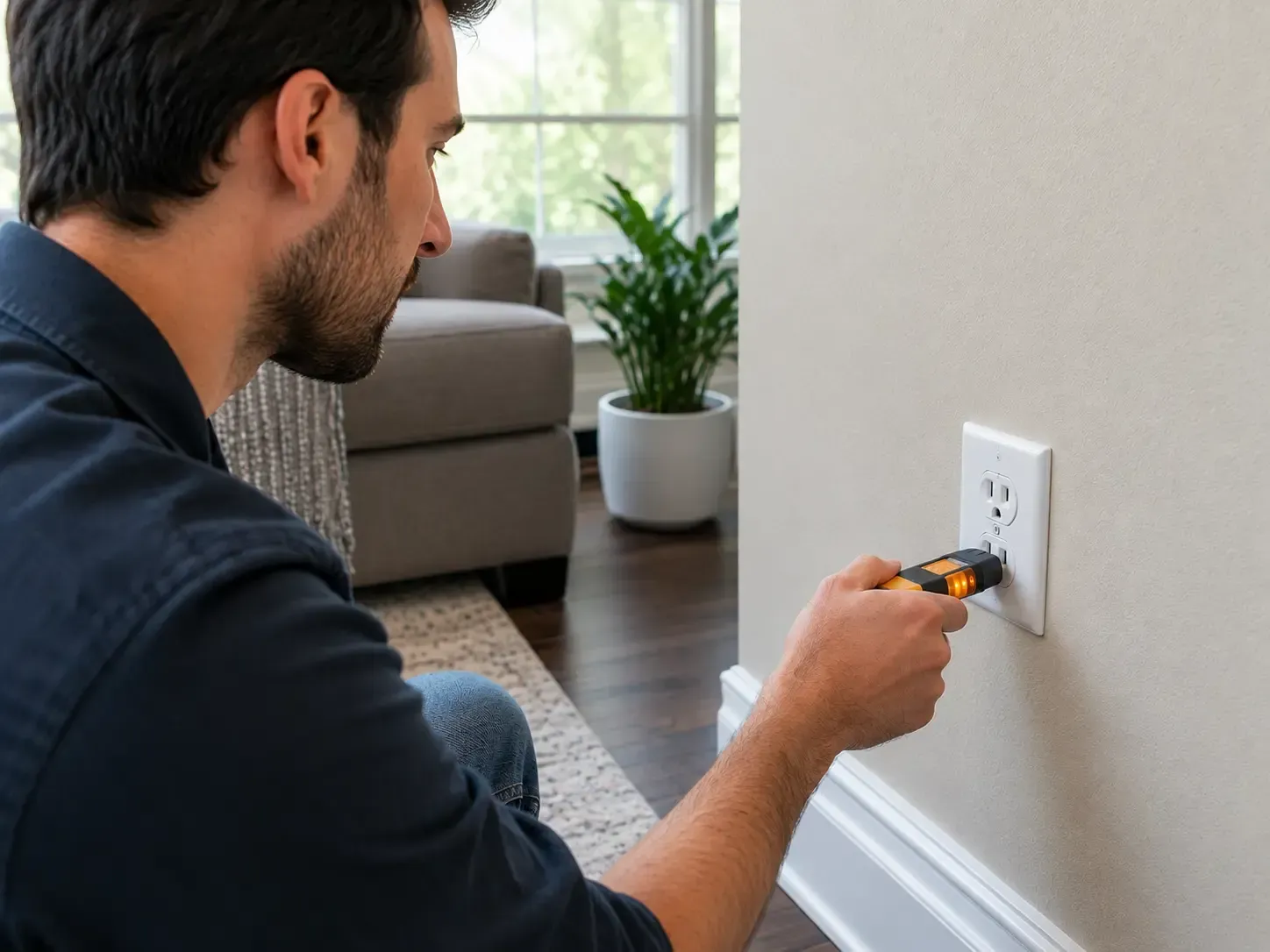
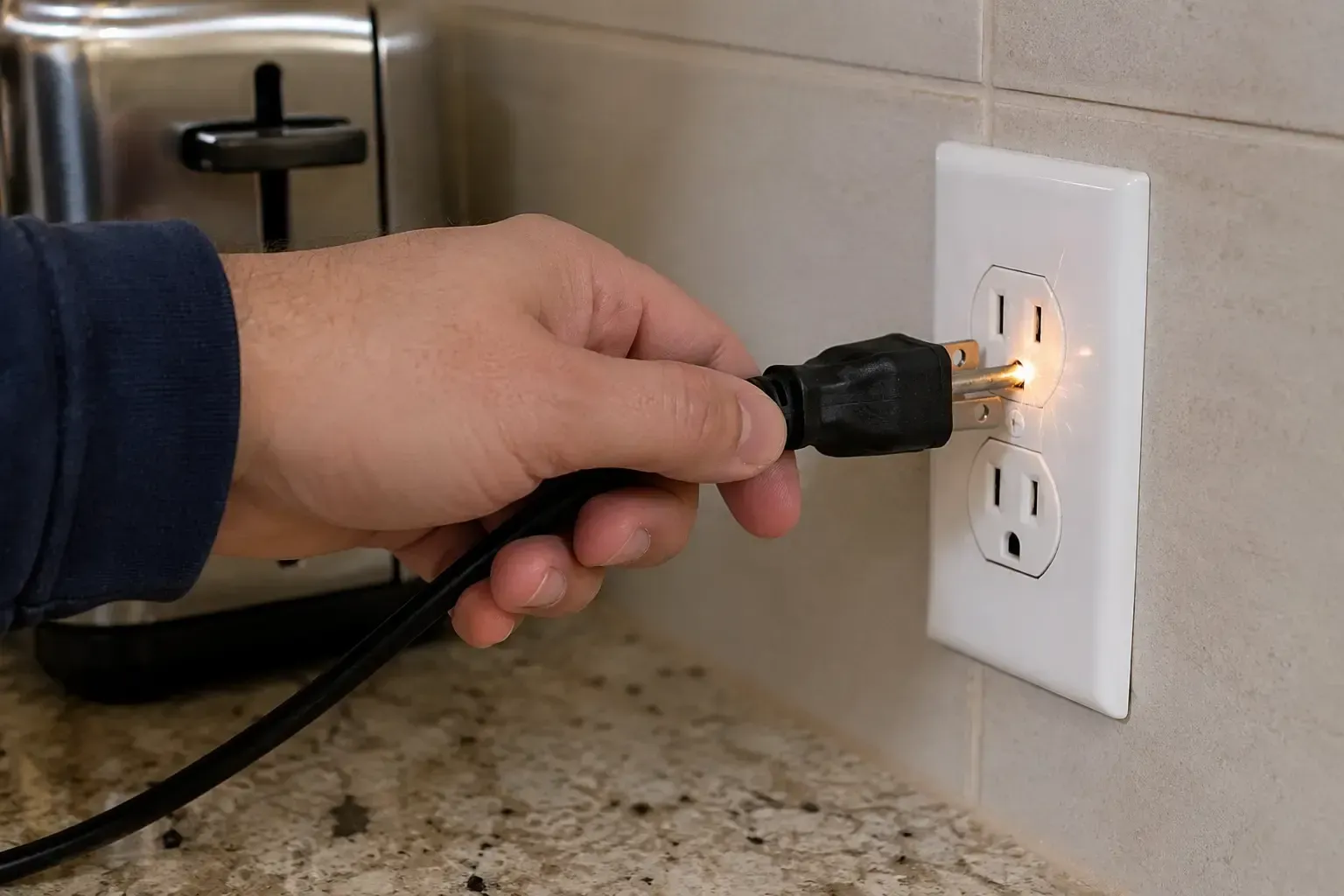
Another critical warning sign involves your sense of smell and touch. Switch plates or electrical outlets that feel warm to the touch suggest that the wiring behind the wall is generating excess heat. A persistent burning odor near outlets or fixtures is an urgent red flag. This smell often means the protective plastic insulation surrounding the copper wire has started to melt. In such instances, shutting off the power at the main panel and contacting a professional is imperative.
How Age Impacts Your Home Electrical System
The age of a property serves as the most reliable metric for determining the condition of its hidden infrastructure. Building codes and material standards have evolved drastically over the last century. Homes built before certain decades possess inherent vulnerabilities that require modern intervention.
Properties constructed before the 1950s often feature knob-and-tube wiring. This early electrical method used porcelain insulators to run individual copper wires through framing studs. Knob-and-tube systems lack a grounding wire. This absence leaves electronics vulnerable to power surges and significantly increases the risk of shock. Furthermore, the rubber insulation used in these older systems becomes brittle and flakes away over time, leaving bare, live wires exposed inside wall cavities.
During the housing boom of the 1960s and 1970s, many builders transitioned to solid aluminum wiring due to copper shortages. Aluminum expands and contracts at a much higher rate than copper when subjected to temperature changes. This continuous expansion and contraction loosens connections at outlets and switches, creating hazardous arcing faults that are a leading cause of residential fires.
For homeowners residing in established neighborhoods across Burleson, Fort Worth, Arlington, Mansfield, and Crowley, age-related electrical degradation is a common reality. Evaluating the specific construction era of your home provides a clear baseline for necessary upgrades.
Comprehensive Electrical Services for Upgrading Your Home
Addressing an outdated power system is not a project suitable for a weekend hobbyist. Navigating local building codes, calculating precise amperage requirements, and safely routing high-voltage cables requires extensive training. Relying on professional electrical services guarantees that your home receives a thorough, compliant, and structurally sound upgrade.
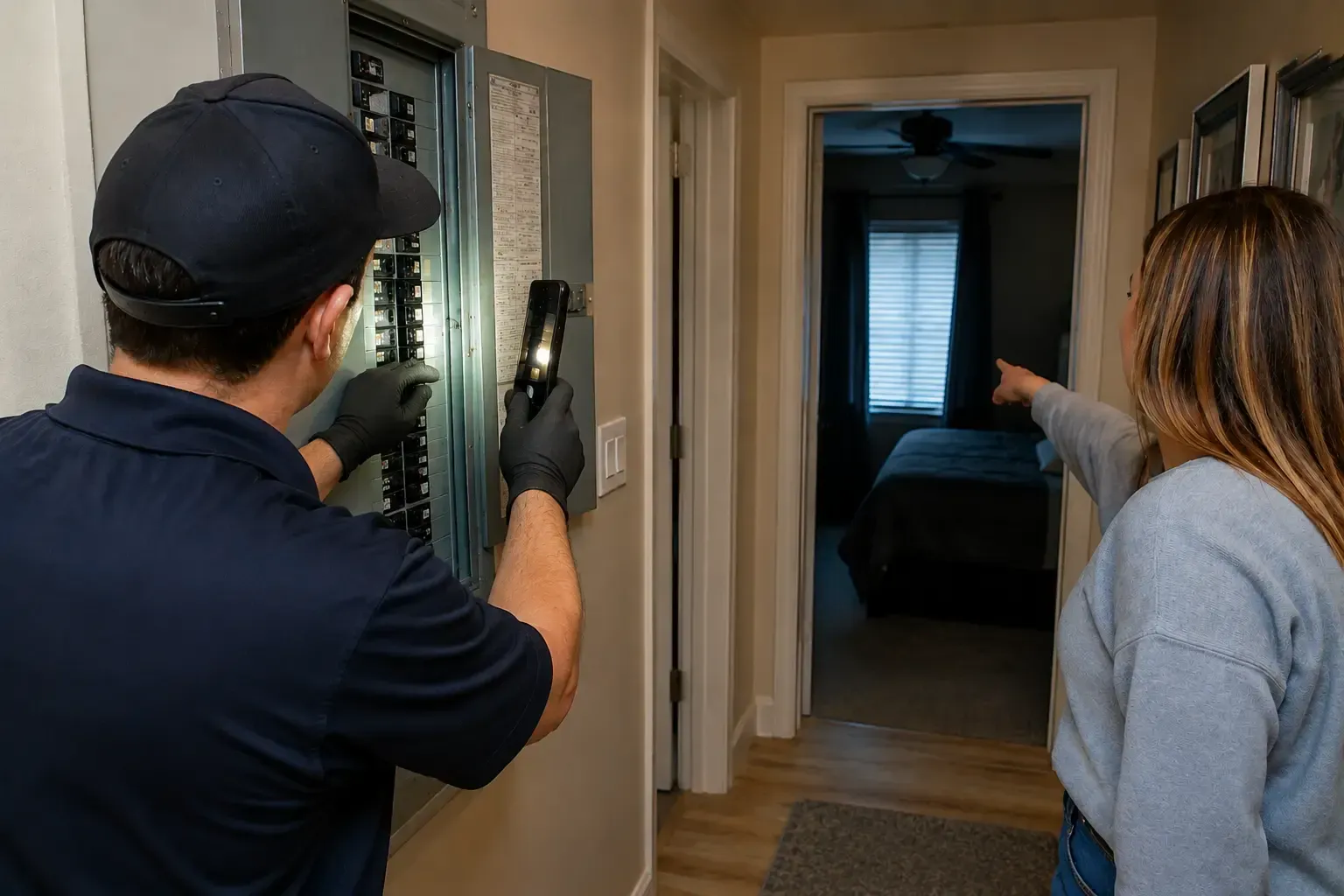
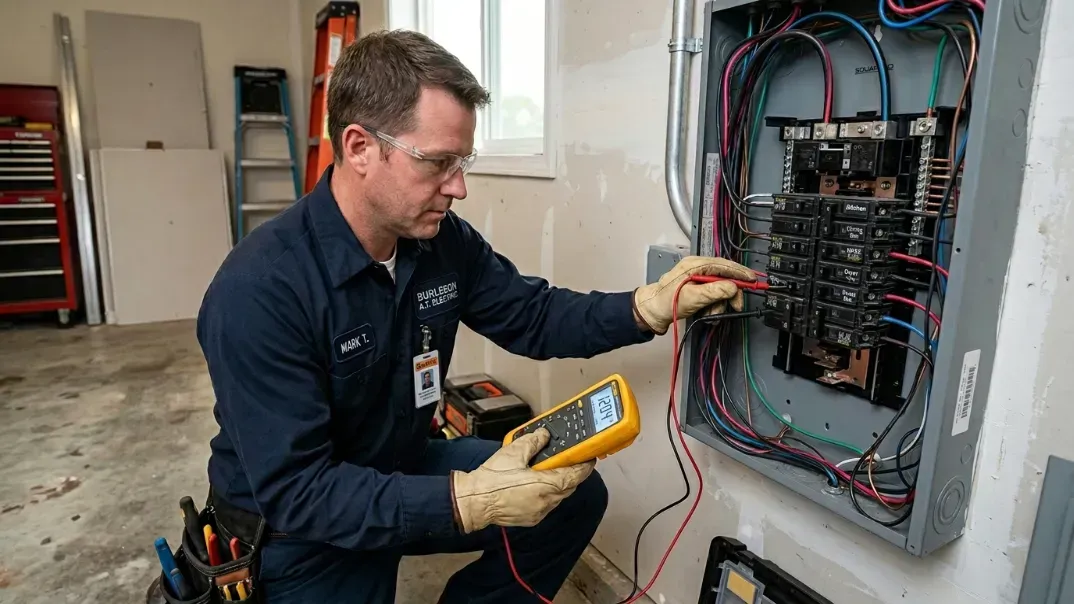
A full rewiring project begins with a comprehensive safety inspection. Certified technicians assess the main service panel, the grounding system, and the integrity of existing branch circuits. Often, replacing the wiring coincides with upgrading the electrical panel. Many older homes operate on 60-amp or 100-amp panels, which are drastically undersized for contemporary living. Upgrading to a 200-amp service panel provides the necessary bandwidth for heavy appliances and dedicated circuits.
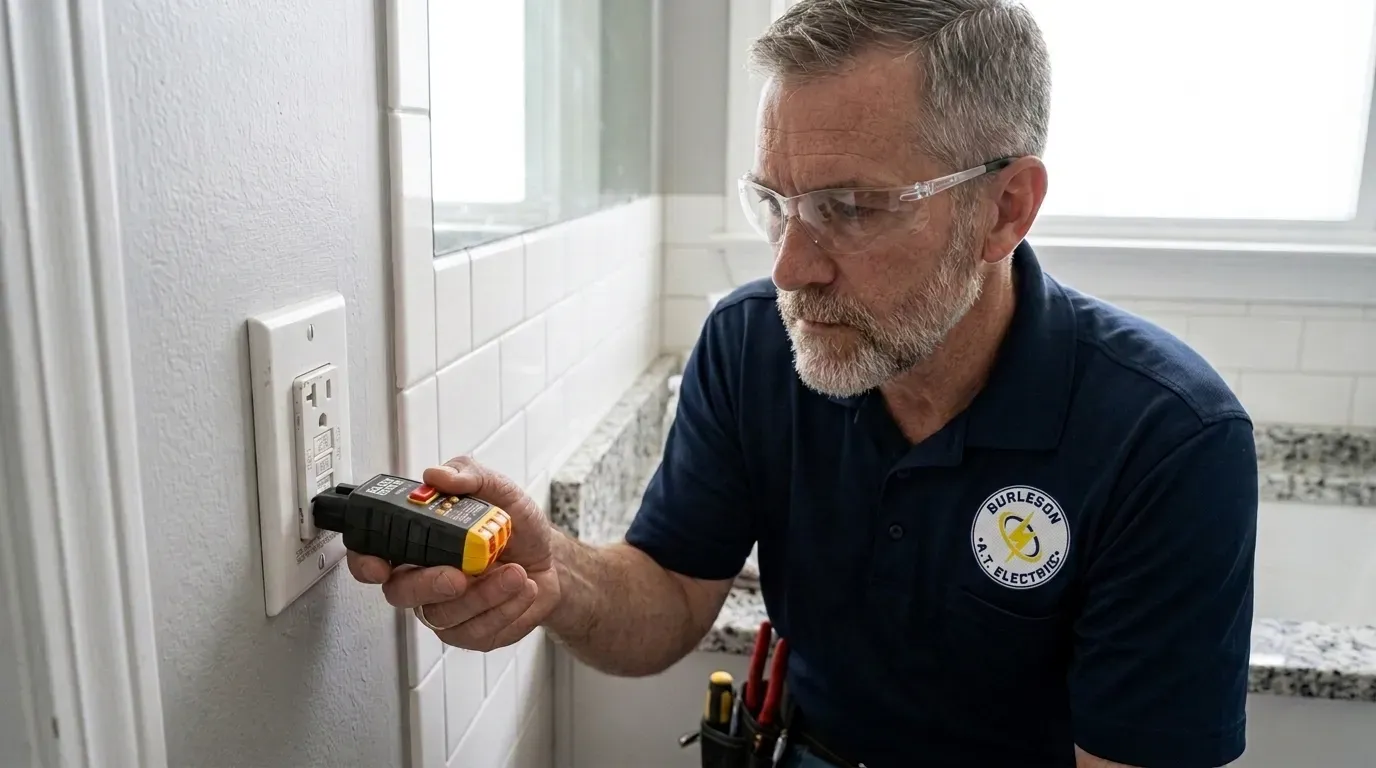
Engaging expert electrical services also ensures that your property benefits from modern safety technologies. Electricians will install Arc-Fault Circuit Interrupters and Ground-Fault Circuit Interrupters during the rewiring process. These specialized devices monitor the flow of electricity and instantly cut power if they detect abnormal arcing or moisture exposure, offering a critical layer of protection that older panels simply cannot provide.
Comparative Breakdown of Old Wiring vs. Modern Electrical Standards
To illustrate the dramatic shift in residential power safety, the table below outlines the differences between historical building materials and contemporary electrical codes.
| Wiring Era | Primary Material Used | Last Name | Email Address |
|---|---|---|---|
| Pre-1950s | Knob-and-tube (Copper) | 60 Amps | No grounding wire, degrading insulation |
| 1965 to 1973 | Solid Aluminum | 100 Amps | High risk of loose connections and fire |
| 1980s to 1990s | Copper (Early NM cable) | 100 to 150 Amps | Insufficient capacity for modern appliances |
| 2000s to Present | Copper (Modern Romex) | 200+ Amps | Fully grounded, code compliant, minimal risk |
Modern standards not only focus on the capacity to deliver power but also on fail-safes designed to mitigate the risks associated with electrical malfunctions.
The Strain of Modern Technology on Aging Infrastructure
The average household consumes significantly more electricity today than it did thirty years ago. Aging wiring simply was not engineered to support the continuous, heavy loads demanded by modern technological conveniences.
Consider the impact of heating and cooling systems. The intense summer heat in Texas requires robust, efficient air conditioning. An older electrical panel and degraded wiring will struggle to deliver consistent voltage to heavy HVAC compressors. This strain shortens the lifespan of your cooling equipment and increases monthly utility bills due to electrical inefficiency.
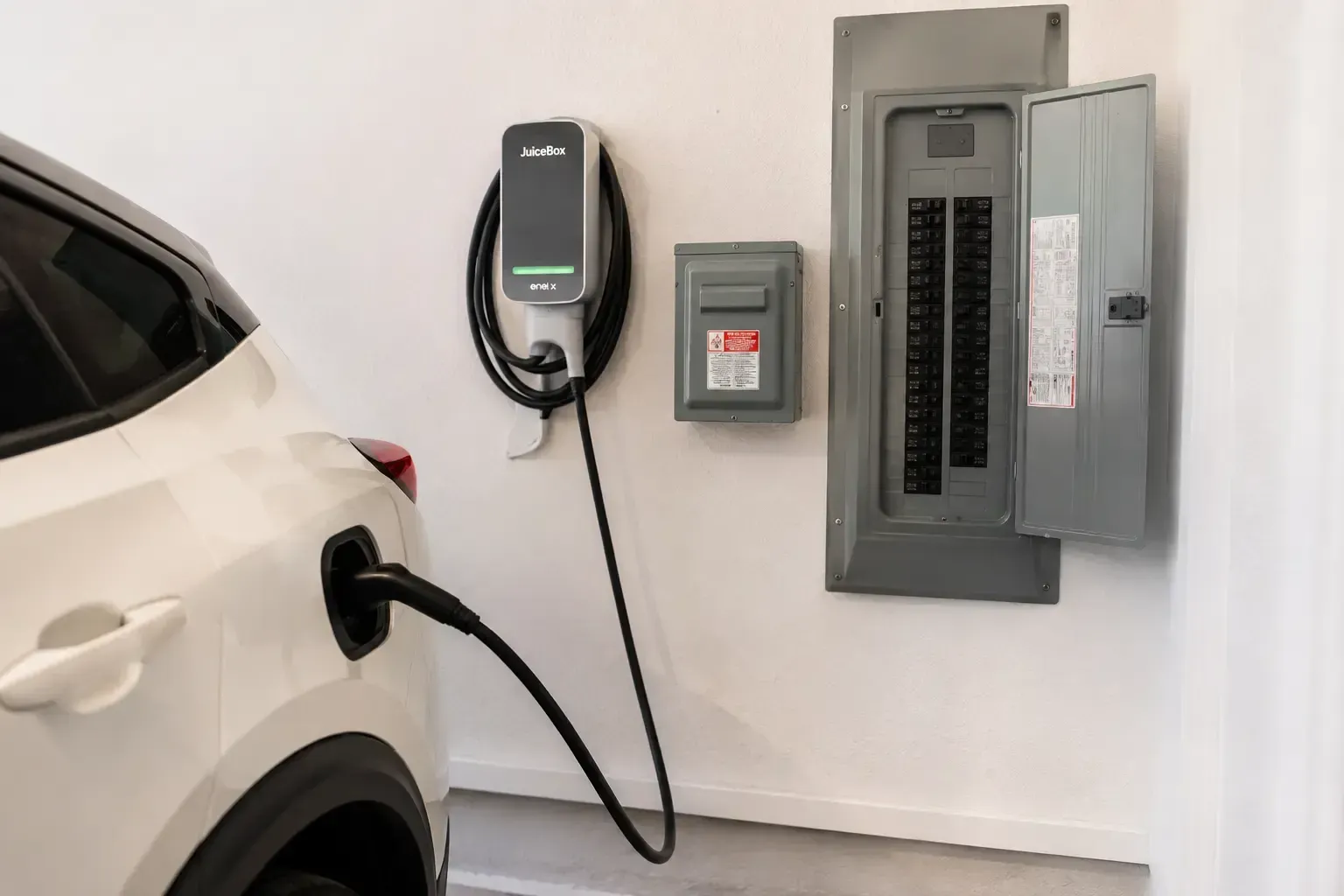
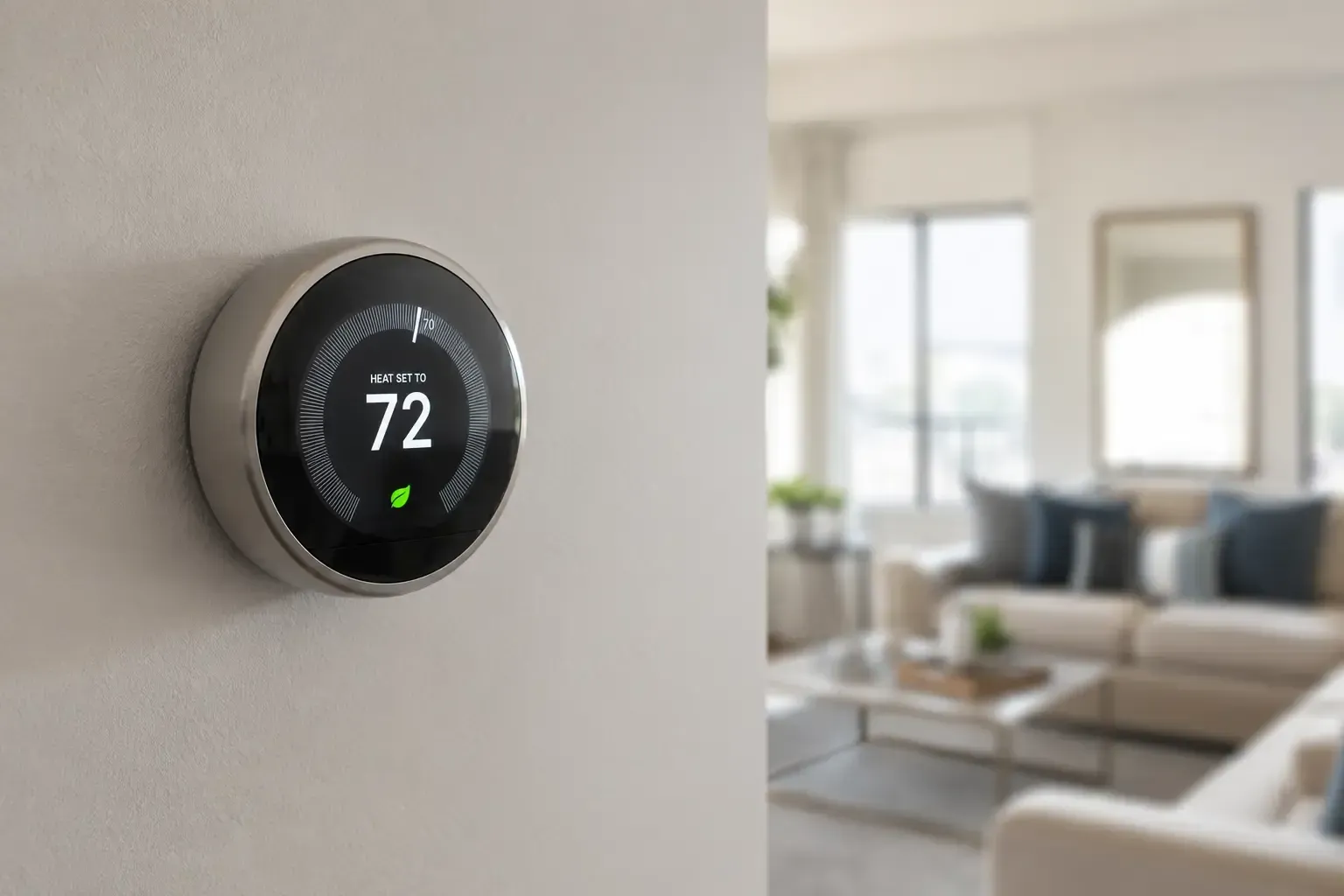
The rapid adoption of electric vehicles places an unprecedented demand on residential infrastructure. Installing an EV charger requires a dedicated 240-volt circuit capable of pulling a sustained 40 to 60 amps for several hours. Attempting to integrate this level of continuous demand into a house with mid-century wiring is dangerous. Professional rewiring and panel enhancements provide the necessary foundation for EV charging, whole-home surge protection, and complex smart-home automation systems.
Frequently Asked Questions
How much does it cost to rewire a house?
The cost of rewiring varies widely based on the square footage of the property, the accessibility of the wall cavities, and whether the main service panel requires upgrading. Most residential rewiring projects are significant investments, but they directly increase the market value and safety of the home. A licensed electrician must provide a detailed on-site estimate to give an accurate cost projection.
How long does a whole-home rewiring project take?
A complete rewiring project typically takes anywhere from three days to over a week, depending on the size and complexity of the home. Projects involving older properties with difficult-to-access attics or crawlspaces may require additional time. Professionals strive to minimize disruption by working section by section, ensuring you maintain partial power whenever possible during the transition.
Does homeowners insurance cover electrical wiring replacement?
Standard homeowners insurance policies generally do not cover preventative maintenance or upgrades resulting from normal wear and tear. However, updating your electrical system can lead to substantial discounts on your monthly insurance premiums. Many carriers actually require homes with knob-and-tube or aluminum wiring to be upgraded before they will issue or renew a policy.